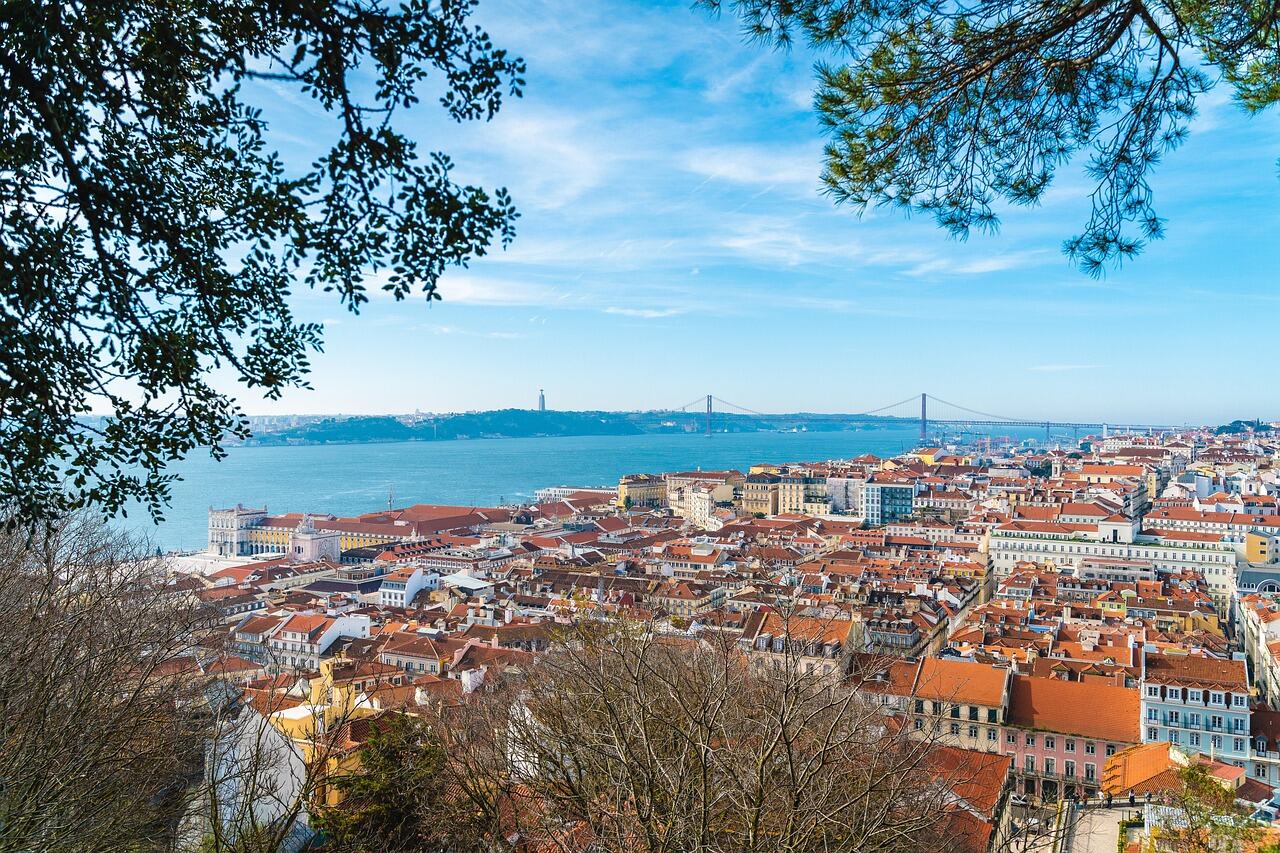
Alfama Neighborhood
Lisbon, Portugal · Neighborhood
About Alfama Neighborhood
Alfama is Lisbon's oldest and most historic neighborhood, famously surviving the devastating earthquake of 1755. It is celebrated worldwide for its steep, labyrinthine cobblestone alleys, charming tiled facades, and scenic river viewpoints. Recognized as the historic birthplace of Fado music, the district comes alive each evening with soulful melodies drifting from intimate taverns.
Don't miss
- Take in panoramic views of the Tagus River and terracotta rooftops from Miradouro das Portas do Sol and Miradouro de Santa Luzia.
- Explore the ancient Lisbon Cathedral (Sé de Lisboa), the city's oldest church dating back to the twelfth century.
- Experience an authentic live Fado performance paired with traditional Portuguese cuisine in a rustic neighborhood tavern.
- Wander through the picturesque alleys of the Beco do Fado to admire historic architecture and colorful azulejo tiles.
Plan your visit
Late afternoon is the best time to visit, allowing you to catch golden hour at a scenic viewpoint before enjoying an evening Fado dinner. Spring and autumn provide comfortable temperatures for walking the steep hills.
Exploring the neighborhood streets and viewpoints is completely free. Individual sites like the cathedral cloisters or local museums charge a small entry fee, and table reservations should be booked ahead for popular Fado restaurants.
From downtown Baixa, you can walk uphill to Alfama in about 10 to 15 minutes. You can also ride the famous historic Tram 28 or take local bus lines directly into the district.
Tips for visiting
- Wear sturdy, flat walking shoes with good grip, as the centuries-old cobblestones are steep and can be slippery.
- Keep a close watch on your valuables, particularly when boarding or riding the crowded Tram 28.
- Book dinner at a Fado house several days in advance, as intimate venues fill up quickly.
- Step off the main tourist paths into quiet residential alleyways to experience true local life and drying laundry displays.
- Stop by a small local doorway to sip a traditional glass of Ginjinha, Portugal's sweet sour cherry liqueur.
Alfama Neighborhood FAQ
Is Alfama accessible for travelers with limited mobility?
Alfama is built on a steep hillside filled with narrow staircases, uneven stones, and steep inclines. It can be quite strenuous and challenging for wheelchair users or strollers. Travelers with mobility concerns may prefer taking a taxi or tuk-tuk directly to the main viewpoints.
What is Fado and where should I experience it?
Fado is an expressive, melancholic Portuguese musical genre that conveys longing and fate. Alfama is full of 'casas de fado', ranging from casual tascas to upscale dinner venues where professional singers perform. For a deeper understanding of its history, you can also visit the district's dedicated Fado Museum.
Is Alfama safe to explore at night?
Yes, Alfama is generally very safe at night due to the steady presence of diners, music lovers, and local residents. It is still wise to stay on reasonably lit streets and remain aware of your surroundings. As in any popular tourist area, keep your wallet and phone secure from pickpockets.
How do I avoid the biggest crowds in Alfama?
Visit early in the morning before 10:00 AM to photograph the quiet streets and viewpoints in peaceful light. You can also wander just one or two turns away from the Tram 28 route to find virtually empty residential alleys. Visiting outside the peak summer months also makes for a far calmer experience.
More things to do in Lisbon
Jerónimos Monastery Landmark
Admire stunning Manueline architecture in this grand UNESCO World Heritage complex located in Belém.
Tram 28 Activity
Ride this historic yellow tram as it rattles through the narrow and steep streets of Alfama.
Castelo de São Jorge Landmark
Explore ancient ramparts and take in sweeping panoramic views across the city and the Tagus River.
Time Out Market Lisbon Food
Sample gourmet bites and traditional Portuguese dishes crafted by top local chefs under one roof.
Belém Tower Landmark
Visit this iconic fortified 16th-century tower perched on the northern bank of the Tagus River.
Miradouro de Santa Luzia Sightseeing
Relax at a scenic terrace framed by bougainvillea, classic blue azulejo tiles, and river vistas.
Calouste Gulbenkian Museum Museum
Discover an extraordinary private collection spanning ancient Egyptian relics, classical European masters, and serene gardens.
AI-written guide, last updated 2026-10-09. Check opening times and ticket prices on the official website before you go. Photos: 5116225 on Pixabay.