Meiji Jingu Shrine
Tokyo, Japan · Landmark
About Meiji Jingu Shrine
Meiji Jingu is Tokyo's most prominent Shinto shrine, dedicated to the deified spirits of Emperor Meiji and Empress Shoken. Located next to bustling Harajuku, the shrine is renowned for its tranquil forest planted with over 100,000 donated trees from across Japan. It serves as a peaceful spiritual haven that draws millions of visitors seeking traditional culture and quiet contemplation amid the modern metropolis.
Don't miss
- Walk beneath the towering wooden Torii gate marking the sacred entrance to the shrine forest.
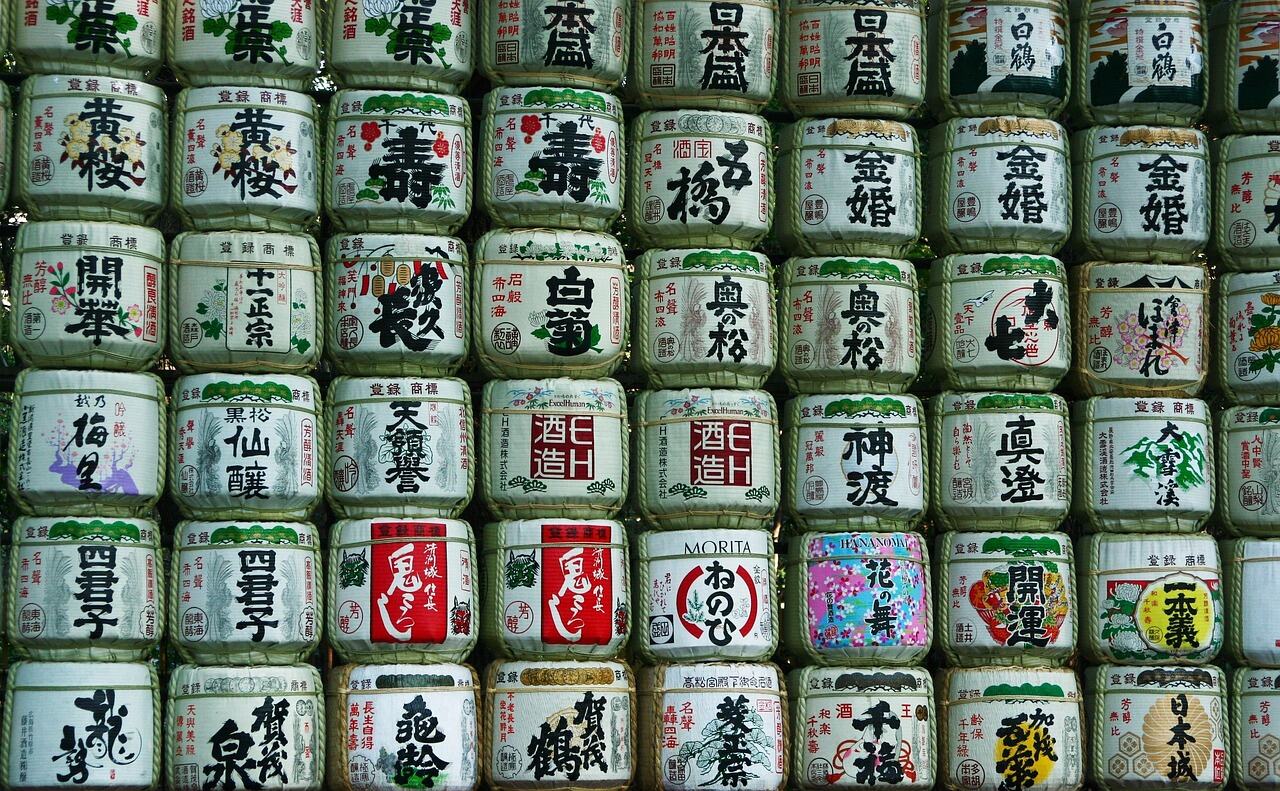
- Admire the vibrant display of decorative sake barrels donated by breweries from across Japan.
- Visit the serene Inner Garden, known for its historic tea house and blooming iris fields in June.
- Observe traditional rituals and write your personal wishes on a wooden ema prayer tablet near the main hall.
Plan your visit
Early morning is the best time to visit to avoid crowds and experience the peaceful, mystical atmosphere of the forest. Visiting in June is especially lovely if you wish to see the iris garden in full bloom.
Admission to the main shrine grounds is free and requires no advance reservation. A small separate admission fee applies if you wish to explore the Inner Garden or the Meiji Jingu Museum.
Take the JR Yamanote Line to Harajuku Station or the Tokyo Metro to Meiji-jingumae Station. The shrine's southern entrance is just a short walk from both station exits.
Tips for visiting
- Wear comfortable walking shoes, as the pathways through the forest are paved with gravel and cover long distances.
- Perform the traditional purification ritual with water at the temizuya water basin before approaching the main prayer hall.
- Refrain from taking photographs directly into the inner prayer sanctuary where people are worshiping.
- Watch for traditional Shinto wedding processions, which frequently take place in the courtyard on weekend mornings.
- Bow slightly when passing through the massive torii gates as a traditional sign of respect.
Meiji Jingu Shrine FAQ
Is Meiji Jingu wheelchair accessible?
Yes, the main paths and shrine grounds are generally flat and accessible for wheelchairs and strollers. However, pushing through the thick gravel pathways can require extra effort. Wheelchair rentals are available on-site near the entrance gates.
When does the shrine open and close?
Meiji Jingu opens at sunrise and closes at sunset every day of the year. Because of this, exact opening and closing hours change each month based on daylight hours. It is best to check the seasonal schedule online before planning an early morning or late afternoon visit.
Can I take photos inside the shrine?
Photography is welcome along the scenic forest pathways, outer courtyards, and near the famous sake barrels. However, taking photos facing directly into the inner sanctum of the main prayer hall is strictly forbidden. Please look for signs indicating restricted photography zones.
Is there a dress code for visiting?
There is no formal dress code, but modest and respectful clothing is recommended as it is an active religious site. Since you will be walking extensively along gravel trails, practical and comfortable shoes are strongly advised. Avoid overly revealing beachwear out of respect for worshipers.
More things to do in Tokyo
Senso-ji Temple Landmark
Walk through the iconic Kaminarimon Gate to explore Tokyo's oldest and most revered Buddhist temple.
Shibuya Crossing Landmark
Immerse yourself in the bustling heart of modern Tokyo at the world's busiest pedestrian intersection.
teamLab Planets Museum
Wander barefoot through massive, fully immersive digital art installations featuring water and light.
Akihabara Electric Town Neighborhood
Browse multi-story electronics stores, retro game centers, and anime collectibles in the otaku capital.
Tsukiji Outer Market Food
Sample freshly prepared seafood, tamagoyaki, and Japanese street snacks from historic alleyway stalls.
Shinjuku Gyoen National Garden Nature
Stroll through a serene blend of traditional Japanese, English landscape, and French formal gardens.
Tokyo Skytree Landmark
Take in sweeping 360-degree views across the metropolis and Mount Fuji from Japan's tallest tower.
AI-written guide, last updated 2026-10-09. Check opening times and ticket prices on the official website before you go. Photos: auntmasako on Pixabay.