The best family beach vacations combine calm, shallow water, lifeguards on duty and an easy walk from your room to the sand. For US families, Oahu and Puerto Rico top the list: no passport needed for US citizens and lifeguarded beaches with gentle water. Cancún and Costa Rica are close behind, while Mallorca, Portugal's Algarve and Greece suit a summer trip to Europe, and Bali and Dubai reward older kids on a longer trip. Below you'll find what each place does best for kids, plus official advice on rip currents and sun safety. When you've picked a spot, Ask TripPilot's planner can plan the days around naps and beach time.
What makes a beach good for kids
A great family beach is less about the postcard view and more about the practical details. Gentle, shallow water lets small children paddle while you stay close, and a lifeguard tower adds a second set of eyes on conditions (never a babysitter). Restrooms, showers, shade and food within a short walk make it realistic to stay past lunch.
Certification can help you narrow things down. To fly a Blue Flag, a beach must meet the program's Blue Flag criteria, which include regular bathing water testing by an accredited lab, posted water quality information, first-aid equipment and lifeguards or public rescue equipment suited to how busy and hazardous the beach is.
- Look for sheltered bays, reef-protected lagoons or beaches with a gradual slope rather than open-ocean surf.
- Pick a hotel or rental within a short walk of the sand, so carrying gear and heading back for naps is easy.
- Check the posted flags and signs, and ask the lifeguard about conditions, every time you arrive.
- Plan on shade: an umbrella or pop-up tent, or a beach with trees or rentable loungers.
Oahu, Hawaii: calm south-shore water and easy logistics
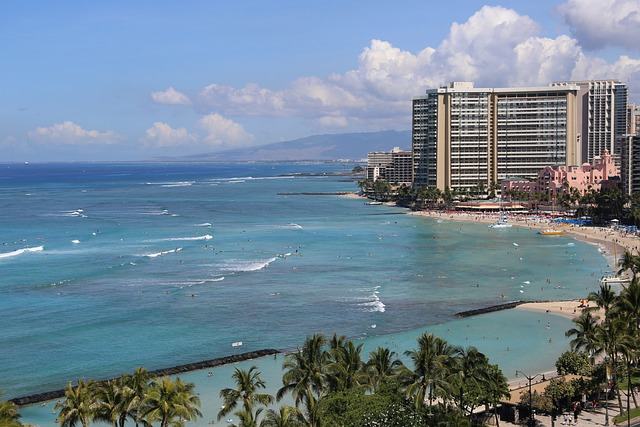
Oahu is the easiest Hawaiian island for families: lots of direct flights, a walkable base in Waikiki and calm, lifeguarded beaches. Waikiki Beach has gentle rolling waves for a first surf lesson and is lined with snacks, surfboard rentals and places to eat. Our 7-day Hawaii itinerary pairs four days on Oahu with three on Maui.
Seasons matter for swimming. North-facing shores get big surf in winter and usually calm down in summer, so families with small kids should stick to south-shore beaches like Waikiki from November to April. The state's beach safety advice for families is blunt: never leave a child unattended, don't rely on lifeguards to watch your kids, and remember that a child in trouble often goes quiet rather than shouting.
- Use the state's list of lifeguarded beaches, which shows each tower's schedule, and swim only when a guard is on duty.
- Pool floats, inner tubes and beach balls can be flipped by a wave, so they aren't safe in the surf.
- Hawaii bans the sale of sunscreens containing oxybenzone or octinoxate without a prescription, so pack mineral sunscreen or buy it there.
- Average sea temperature is 74°F (23.3°C), rising to about 80°F (26.7°C) in late summer.
Puerto Rico: lifeguarded balnearios, no passport needed
Puerto Rico is a US territory, so US citizens flying directly from the mainland don't need a passport, which makes it one of the simplest Caribbean trips with kids. The island averages about 80°F (27°C) all year. December to April is the high season, with lower humidity, while hurricane season runs from June 1 to November 30.
The public beaches called balnearios are the family pick, with facilities and lifeguards. Discover Puerto Rico's guide to the best beaches for families recommends Balneario La Monserrate in Luquillo and Seven Seas in Fajardo for small children, and Balneario de Carolina, which has a small water park and lifeguards and paramedics on site. Our 7-day Puerto Rico itinerary includes an afternoon at Playa Luquillo after a morning in El Yunque.
- Balneario La Monserrate has calm water, lifeguards, chair rentals and the Luquillo food kiosks nearby.
- On Vieques, Playa Caracas has lifeguards on duty, according to the tourism board.
- Rent a car for beach-hopping beyond San Juan; most rental companies don't allow cars on the Vieques and Culebra ferries.
Cancún and Costa Rica: big resorts or rainforest beaches
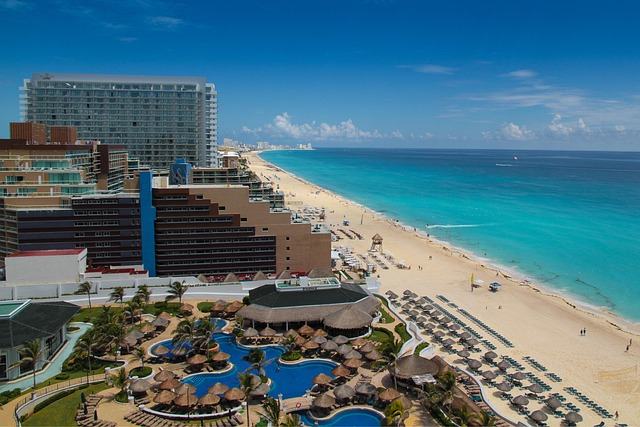
Cancún wins on convenience: a short flight from much of the US, a long Hotel Zone of resorts with kids' clubs and pools, and Caribbean water in bright blue shades. The north-facing stretch facing Isla Mujeres is generally more sheltered than the long east-facing beaches, where waves and currents can be strong, so read the flags before anyone swims. A catamaran day to Isla Mujeres is an easy outing with older kids. Seaweed (sargassum) varies by season and weather, so check recent conditions near your dates.
Costa Rica suits families who want wildlife as much as sand: sloths, monkeys, hanging bridges and waterfalls. Our 7-day Costa Rica itinerary ends at Manuel Antonio, where Playa Manuel Antonio inside the national park is one of the calmer swims (the park is closed on Tuesdays). The US State Department warns that rip currents are dangerous in Costa Rica and that most beaches have no lifeguards or warnings about unsafe conditions, so choose your swim spots with care.
- In Cancún, pre-book airport transfers that guarantee child seats.
- In Costa Rica, ask your hotel about the day's sea conditions and never let children swim alone.
- Zipline tours usually have minimum ages or heights, so check before you book.
Mallorca, the Algarve and Greece: Europe's summer beaches
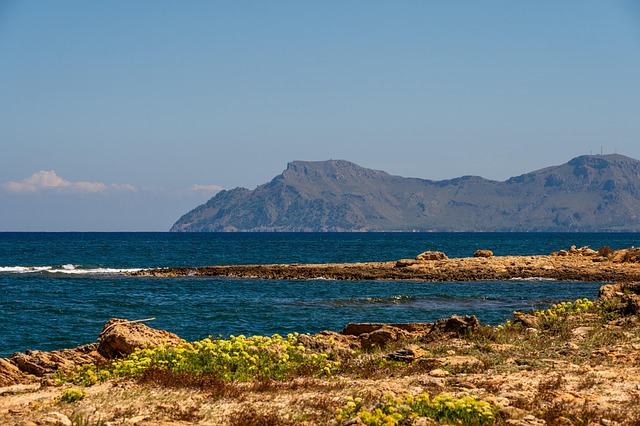
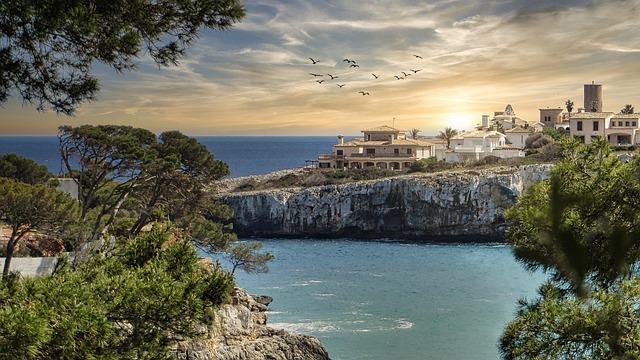
Mallorca is a long-standing favorite with European families. The wide bays in the north of the island, around Alcúdia and Pollença, have long stretches of sand that shelve gently into the sea, with promenades for strollers and plenty of casual places to eat. Away from the beach, the vintage wooden train to Sóller and the Caves of Drach make good half-day outings.
Portugal's Algarve, on the south coast, has golden beaches backed by cliffs, and its sheltered coves suit kids on calm days. Our 7-day Portugal itinerary covers Lisbon, Sintra and Porto, so add three or four days if you want Algarve beach time. In Greece, the sea is warm enough to swim from June, and May, June and September are less crowded than midsummer. Our 7-day Greece itinerary shows how to combine Athens with Santorini and Mykonos.
- Spanish restaurants are relaxed about kids, though dinner often starts later than US families expect.
- July and August are the hottest and busiest months across all three; book rooms early.
- Some Greek beaches are pebbly, so pack water shoes for small feet.
Bali and Dubai: longer trips for older kids
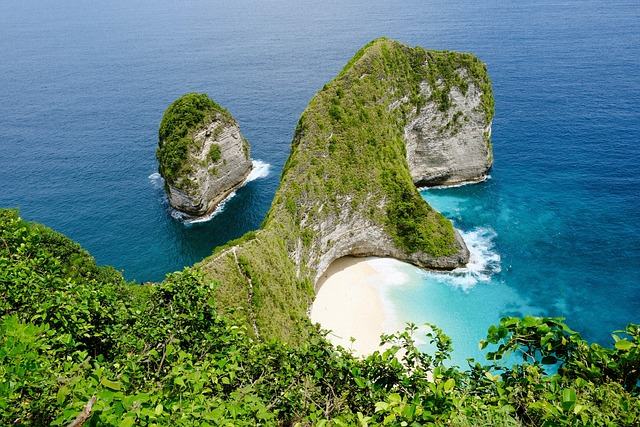
Bali works best for families with school-age kids who can handle a long flight and enjoy temples, rice terraces and monkeys as much as the beach. On the southeast coast, Sanur and Nusa Dua are known for calmer water behind offshore reefs, with a paved beachfront path in Sanur that is good for bikes and strollers. The beaches on the west coast, such as Seminyak, have bigger surf. Our relaxed 5-day Bali itinerary splits the time between Ubud and the south coast.
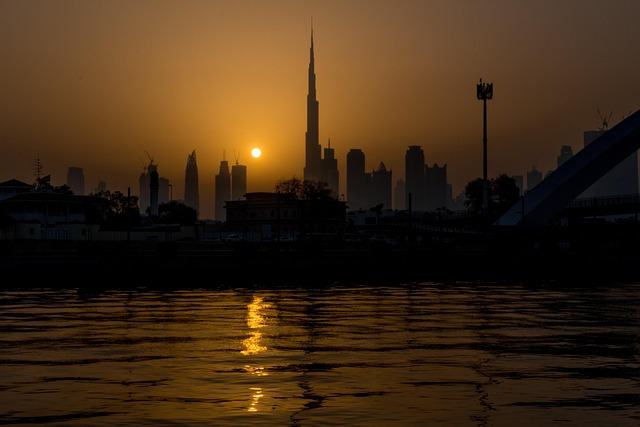
Dubai is a city-beach vacation with very easy logistics: soft sand, shallow water along much of the coast, and theme parks for hot afternoons. Al Mamzar Beach Park has several beaches, pools and a children's play area, and entry starts from AED 5 (check current hours before you go). Our 4-day Dubai family itinerary mixes beach time with theme parks, the desert and the Burj Khalifa.
- In Bali, check tide times: at low tide the reef flats at Sanur and Nusa Dua can leave little water for swimming.
- Use insect repellent in the mornings and evenings in Bali.
- Dubai's summer heat makes midday beach time hard for kids; go early or late, or choose the cooler months.
Rip currents, flags and warning signs
Rip currents are the biggest danger at surf beaches. According to the National Weather Service, they usually flow at 1 to 2 feet per second but can reach 8 feet per second, faster than an Olympic swimmer, and they account for more than 80% of rescues by surf beach lifeguards. They pull you away from shore, not under the water.
Teach older kids the escape plan before the trip. Don't swim against the current; swim along the shoreline until you're out of it, then angle back to the beach. If you can't, float, face the shore, and wave and yell for help. If someone else is caught, call 911 (or the local emergency number) when no lifeguard is present, and throw them something that floats rather than swimming out yourself.
- Swim at lifeguarded beaches whenever you can, and check the local beach forecast before you go.
- Hawaii's signs warn of dangerous shorebreak, strong currents and sudden drop-offs; shorebreak can cause serious neck and spinal injuries even in shallow water.
- No sign doesn't mean no hazard, so ask the lifeguard when in doubt.
- Never dive headfirst into waves breaking on the sand.
Sun safety for kids at the beach
Beach sun is stronger than it feels, especially near the equator and with water and sand reflecting it. The CDC's sun safety advice is to use a broad-spectrum sunscreen with SPF 15 or higher, and to reapply at least every two hours and after swimming, sweating or toweling off. It notes that UV rays are strongest at midday, so plan shade or an indoor break in the middle of the day.
For babies 6 months old or younger, the CDC says sunscreen isn't recommended; keep them in the shade and in light, covering clothes instead. For everyone else, layer your protection rather than relying on sunscreen alone.
- Long-sleeved rash guards with a UPF rating cover more skin than sunscreen can.
- Choose hats with a brim that shades the face, ears and back of the neck.
- Pick sunglasses that block both UVA and UVB rays.
- Bring more water than you think you need, and take regular breaks in the shade.
How to plan stress-free family beach days
Build your days around energy levels rather than the clock. Head to the beach early, when the water is often calmer and the sand is cooler, then retreat for lunch and a rest before a second session in the late afternoon. A hotel with a pool is the best backup for red-flag days.
Book the hard-to-change parts first: flights in school vacation weeks, rooms close to the sand and any car seats or transfers. Then tell Ask TripPilot your dates, kids' ages and pace, and you'll get a day-by-day plan with realistic travel times between beach, meals and naps.
- Pack rash guards, hats, water shoes, a small first-aid kit and a dry bag for phones.
- Keep a backup list of indoor options, such as aquariums and museums, for rough-sea days.
- Look but don't touch: leave coral, turtles and other marine life alone.
FAQ
What is the best beach destination for families from the US?
Oahu and Puerto Rico are the easiest picks for most US families. Both are reached without a passport for US citizens, have lifeguarded beaches with calm water, and offer plenty to do on rough-sea days. Cancún is a strong alternative for all-inclusive resorts and short flights, while Costa Rica suits families who want wildlife and rainforest alongside the beach.
How do I know if a beach is safe for my kids?
Choose a beach with lifeguards on duty, read the posted flags and warning signs, and ask the lifeguard about conditions before anyone swims. Calm, gently sloping water and no shorebreak are best for young children. Blue Flag beaches must meet standards for water quality testing, safety equipment and lifeguards or rescue gear, which makes them a useful shortcut in Europe and elsewhere.
What should my child do if caught in a rip current?
Teach them not to swim against the current, because it only uses up energy. Instead, they should swim parallel to the shore until free, then angle back to the beach. If they can't, they should float, face the shore, and wave and yell for help. Rip currents pull swimmers away from shore, not under the water, so staying calm matters most.
What sunscreen should we use on a family beach vacation?
Use a broad-spectrum sunscreen with SPF 15 or higher and reapply at least every two hours, plus after swimming or sweating, as the CDC advises. Sunscreen isn't recommended for babies 6 months or younger, so keep them in shade. In Hawaii, sunscreens with oxybenzone or octinoxate can't be sold without a prescription, so mineral sunscreen is the easiest choice.
When is the best time for a family beach vacation in the Caribbean?
December to April is the most reliable season in Puerto Rico and much of the Caribbean, with pleasant temperatures and lower humidity. It is also the busiest and priciest time. Summer and fall bring lower rates, more heat and more rain, and fall within hurricane season, which runs from June 1 to November 30, so book flexible fares and rooms.
Plan it with TripPilot
Tell our AI where you want to go and get flights, hotels and a day-by-day plan.
Start planningSources
Written with AI help and checked for usefulness. Prices, opening times and travel rules change, so check before you go. Photos: pixaguck on Pixabay.