Taking your very first trip to Europe can feel exciting and slightly overwhelming all at once. A short weekend break is the perfect way to test the waters without getting bogged down by complicated itineraries or endless train transfers. Here are the top European cities where compact centers, dependable public transit, and iconic sights make for an unforgettable, low-stress weekend in 2026.
What Makes a European City Ideal for Beginners?
Not every famous capital is suited for a quick two- or three-day introduction. Sprawling metropolises often require days just to understand their transit networks and neighborhoods.
The best destinations for first-time visitors are compact, highly walkable, and linked to major airports with direct train or metro links. In these cities, you can wander between world-class museums, scenic viewpoints, and local cafes without spending half your day on a bus.
- Direct airport connections via express rail or metro lines
- Concentrated historical quarters where sights sit side by side
- Widespread English signage alongside local languages
- Reliable contactless payment options almost everywhere
Amsterdam: Canals, Art, and Effortless Transit
Amsterdam remains one of Europe's friendliest entry points for new travelers. Trains run straight from Schiphol Airport into Amsterdam Centraal in under twenty minutes, dropping you right at the edge of the historic canal belt.
You can spend your mornings exploring legendary institutions like the Rijksmuseum and the Van Gogh Museum in the Museumplein. In the afternoons, swap museum halls for a quiet stroll through the Jordaan neighborhood, stopping for warm stroopwafels and apple pie.
- Book museum time slots weeks in advance to secure entry
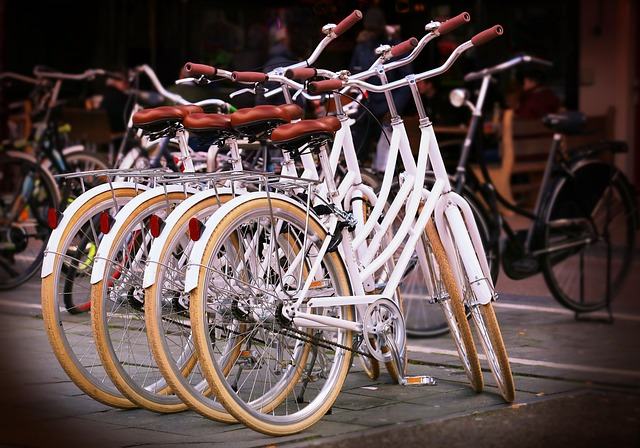
- Rent a bicycle only if you feel confident with local road etiquette
- Take an open-top evening canal cruise for an easy city overview
Barcelona: Architecture, Mediterranean Sun, and Tapas
Barcelona offers an unbeatable mix of coastal energy, incredible food, and whimsical architecture. The city's grid-like Eixample district and historic Gothic Quarter are straightforward to navigate by foot or via the efficient metro network.
A weekend here gives you just enough time to marvel at Antoni Gaudi's masterwork, the Sagrada Familia, and wander through Park Guell. Evenings are best spent savoring small plates of patatas bravas and fresh seafood along bustling pedestrian promenades.
- Sagrada Familia tickets sell out quickly, so reserve before leaving home
- Keep valuables secure, as busy tourist areas are known for pickpockets
- Remember that dinner in Spain typically starts later, around nine in the evening
Florence: Renaissance Magic on Foot
Florence is essentially an open-air museum where you rarely need public transit once you arrive in the center. Walking from the towering Duomo to the Uffizi Gallery and across the Ponte Vecchio takes only a matter of minutes.
Between admiring Renaissance masterworks, you can pause for fresh gelato, hearty ribollita soup, or a warm panino from a local deli. Cross the Arno river in the late afternoon to watch the sunset over the terracotta rooftops from Piazzale Michelangelo.
- Fly into Florence Airport or take a fast train from nearby Rome or Milan
- Dress respectfully with covered shoulders and knees when visiting churches
- Reserve entry to the Uffizi Gallery early to bypass long queues
Edinburgh: Dramatic Scenery and Storied Pubs
With its dramatic volcanic crags, medieval closes, and grand Georgian avenues, Edinburgh feels like stepping onto a movie set. The city center is divided neatly into the Old Town and New Town, both easily explored within a two-day itinerary.
Spend one day hiking up the Royal Mile to Edinburgh Castle and climbing Arthur's Seat for panoramic skyline views. On your second day, explore the indie boutiques of Victoria Street, tour the National Museum of Scotland, and warm up in a traditional pub with live folk music.
- Trams connect Edinburgh Airport directly to the city center in about thirty minutes
- Pack a waterproof jacket regardless of the season, as Scottish weather changes quickly
- Wear sturdy walking shoes to handle steep cobblestone hills comfortably
Prague: Fairy-Tale Vistas and Great Value
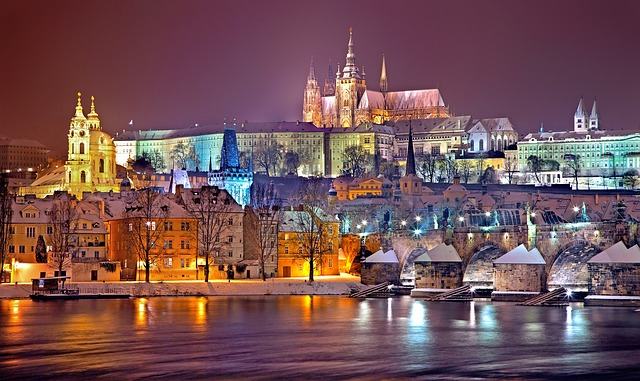
Prague provides an enchanting visual feast alongside lower travel costs compared to many western European hubs. The Czech capital survived the major wars largely intact, leaving behind an astonishing tapestry of Gothic, Baroque, and Art Nouveau architecture.
A simple self-guided route takes you from the Old Town Square and its Astronomical Clock across the statue-lined Charles Bridge up to Prague Castle. Stop along the way at traditional beer halls to sample hearty local cuisine and celebrated Czech lagers.
- Cross the Charles Bridge at dawn to avoid dense daytime crowds
- Public transport tickets must be validated immediately upon boarding
- Most shops accept cards, but carrying some Czech koruna helps with small purchases
Essential Advice for Weekend Breaks in 2026
Short getaways leave little room for logistical errors, so advance preparation pays off. Keep your packing light with a single carry-on bag to skip airport baggage claims and board trains immediately upon arrival.
Entry requirements and booking platforms evolve continuously, so always verify passport validity, entry authorization rules, and museum policies before departing. Download offline maps and transit apps on your phone to keep navigation seamless from the moment you land.
- Check 2026 border entry regulations, such as ETIAS requirements for visa-exempt travelers
- Use mobile wallets for contact-free payments across transit turnstiles and shops
- Keep your first afternoon relaxed to account for minor flight delays or jet lag
FAQ
How many days are needed for a first-time European city break?
A full two to three days is ideal for a first visit to a compact city. Arriving on a Friday afternoon and departing Sunday evening gives you ample time to see major landmarks without feeling rushed.
Do I need to carry cash for a weekend trip in Europe?
Most major European destinations operate almost entirely on contactless card payments and smartphones. However, it is always wise to keep twenty to thirty euros in local cash for small purchases, coin-operated public restrooms, or market stalls.
Should I book museum and attraction tickets ahead of time?
Yes, advance booking is essential for major European attractions like the Sagrada Familia, the Uffizi Gallery, or Amsterdam's Van Gogh Museum. Timed entry slots frequently sell out days or weeks ahead, especially during peak travel months.
What travel documentation is required for visiting Europe in 2026?
Travelers should ensure their passport has at least three to six months of validity remaining beyond their planned departure date. Depending on your nationality, you may also need to apply online for travel clearance, such as the European Travel Information and Authorisation System (ETIAS), prior to flying.
Plan it with TripPilot
Tell our AI where you want to go and get flights, hotels and a day-by-day plan.
Start planningWritten with AI help and checked for usefulness. Prices, opening times and travel rules change, so check before you go. Photos: dropolto on Pixabay.