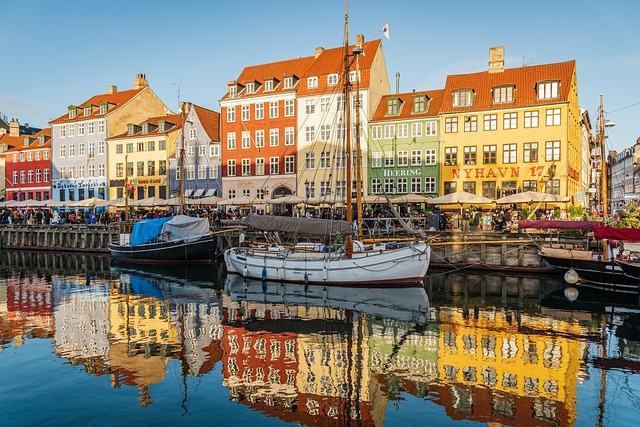
Copenhagen
Denmark's vibrant capital boasts colorful waterfront facades at Nyhavn, royal palaces, and an unmatched cycling culture.
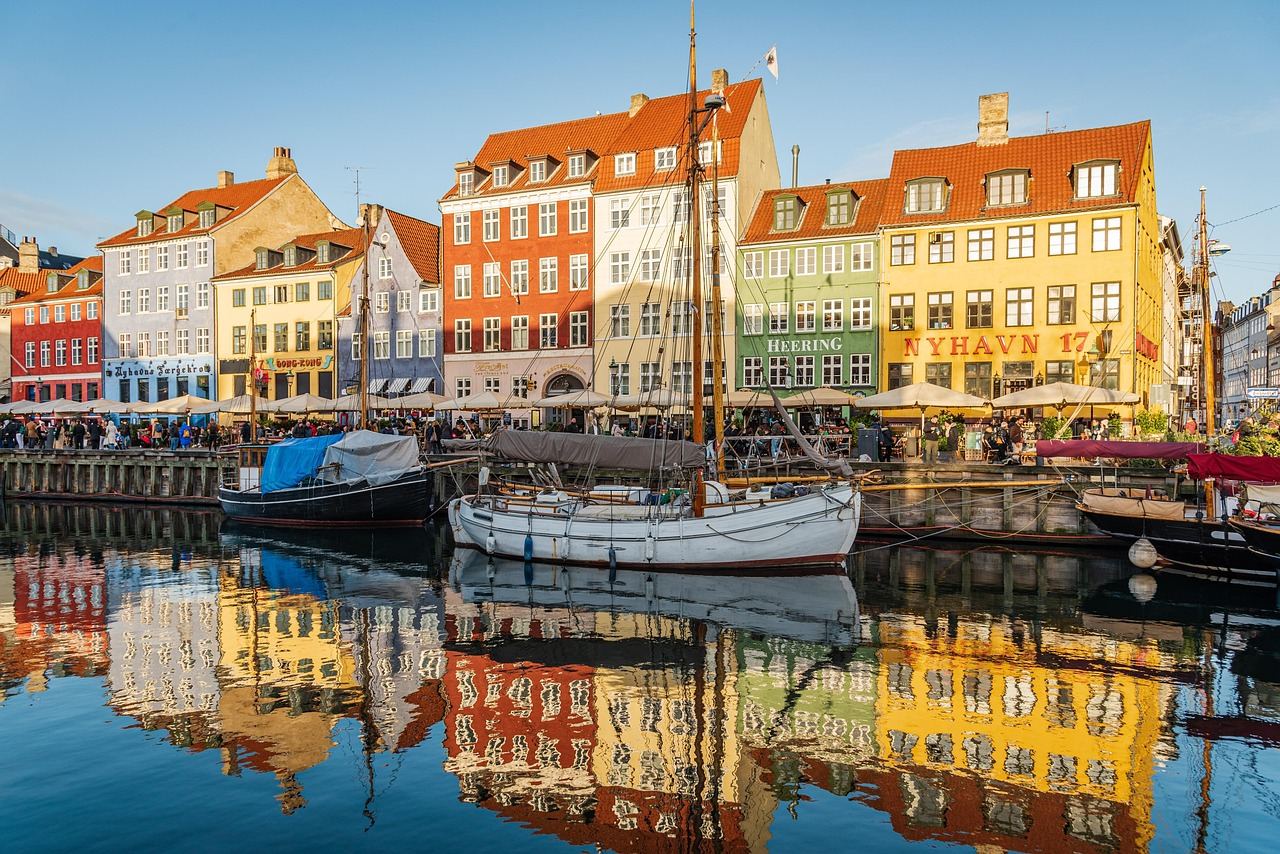
Europe · Fairytale castles, sleek Nordic design, and coastal hygge await you.
Denmark combines effortless Scandinavian cool with centuries of rich Viking and royal history. It is a haven for cyclists, design lovers, and foodies seeking world-class culinary experiences. Families and solo adventurers alike will feel safe, welcome, and enchanted by its relaxed lifestyle.
The best time to visit is from June to August for long daylight hours, pleasant weather, and buzzing outdoor cafes. May and September offer milder temperatures with fewer crowds.
Parks begin to bloom, outdoor attractions reopen, and shoulder-season prices make travel affordable.
Peak tourist season featuring lively harbour baths, music festivals, and up to 17 hours of daylight.
Changing foliage and cozy indoor vibes, with dropping hotel rates after September.
Chilly weather illuminated by festive Christmas markets, warm cafes, and true Danish hygge.
Denmark's vibrant capital boasts colorful waterfront facades at Nyhavn, royal palaces, and an unmatched cycling culture.
This dynamic cultural hub is famous for the rainbow walkway at ARoS Art Museum and the open-air museum Den Gamle By.
The birthplace of fairytale author Hans Christian Andersen charms visitors with cobbled streets and literary heritage.
Located in Helsingor, this dramatic Renaissance fortress is immortalized as Elsinore in Shakespeare's Hamlet.
Denmark's oldest town features cobblestone lanes, timbered houses, and a rich history dating back to the Viking era.
A scenic northern coastal town where the Baltic and North Seas dramatically meet along wide sandy beaches.
Connect three iconic cities easily by DSB train across the Great Belt Bridge. This route covers urban design, Hans Christian Andersen's roots, and modern art.
Plan this routeRenting a car allows you to explore Viking history, quaint ancient villages, and northern dune landscapes at your own pace.
Plan this routeUse frequent regional trains from Copenhagen to explore majestic Renaissance castles and the Viking Ship Museum in Roskilde.
Plan this routeSave money by shopping at local supermarkets, using city bike rentals, and purchasing multi-day transport passes.
Traditional open-faced rye bread sandwiches topped with pickled herring, roast beef, or eggs and shrimp.
Flaky Danish pastries layered with rich butter, almond paste, or custard filling.
Crisp-skinned roast pork traditionally served with boiled potatoes, pickled red cabbage, and rich brown gravy.
The quintessential Danish red hot dog served from street carts with fried onions, remoulade, and pickles.
A traditional caraway or dill-flavored spirit often enjoyed alongside hearty lunches and herring.
Denmark features a world-class public transit network, with DSB trains linking major islands and cities swiftly via impressive bridges. Regional buses serve smaller towns, while extensive domestic ferries connect the outer islands. Driving is simple and scenic, but renting a bicycle is the best way to navigate within any city.
Virtually no cash is needed throughout Denmark. Most shops, taxis, restaurants, and street food stalls exclusively prefer cards or contactless mobile payments.
Yes, the vast majority of Danes speak fluent English. You will have no trouble asking for directions, ordering food, or purchasing transit tickets.
Denmark is one of the most bicycle-friendly nations on earth, featuring thousands of kilometers of dedicated, paved bike paths. Most cities offer intuitive rental apps and flat terrain suitable for all skill levels.
Yes, major islands like Zealand and Funen are connected by rail and highway bridges, while smaller islands are served by reliable modern ferries. Trains provide seamless, rapid connections between major destinations.
Pack comfortable walking shoes, a waterproof jacket, and adaptable layers, as Nordic weather can change quickly. Even in summer, evenings by the coast can turn brisk, so a warm sweater is always handy.
Get flights, hotels and a day-by-day plan across cities, made for you.
Start planningAI-written guide, last updated 2026-10-08. Check visa rules, prices and opening times before you go. Photos: DUCTINH91, MICHOFF on Pixabay.