Berlin
Germany's dynamic capital offers poignant Cold War history, world-renowned museums, and legendary creative nightlife.
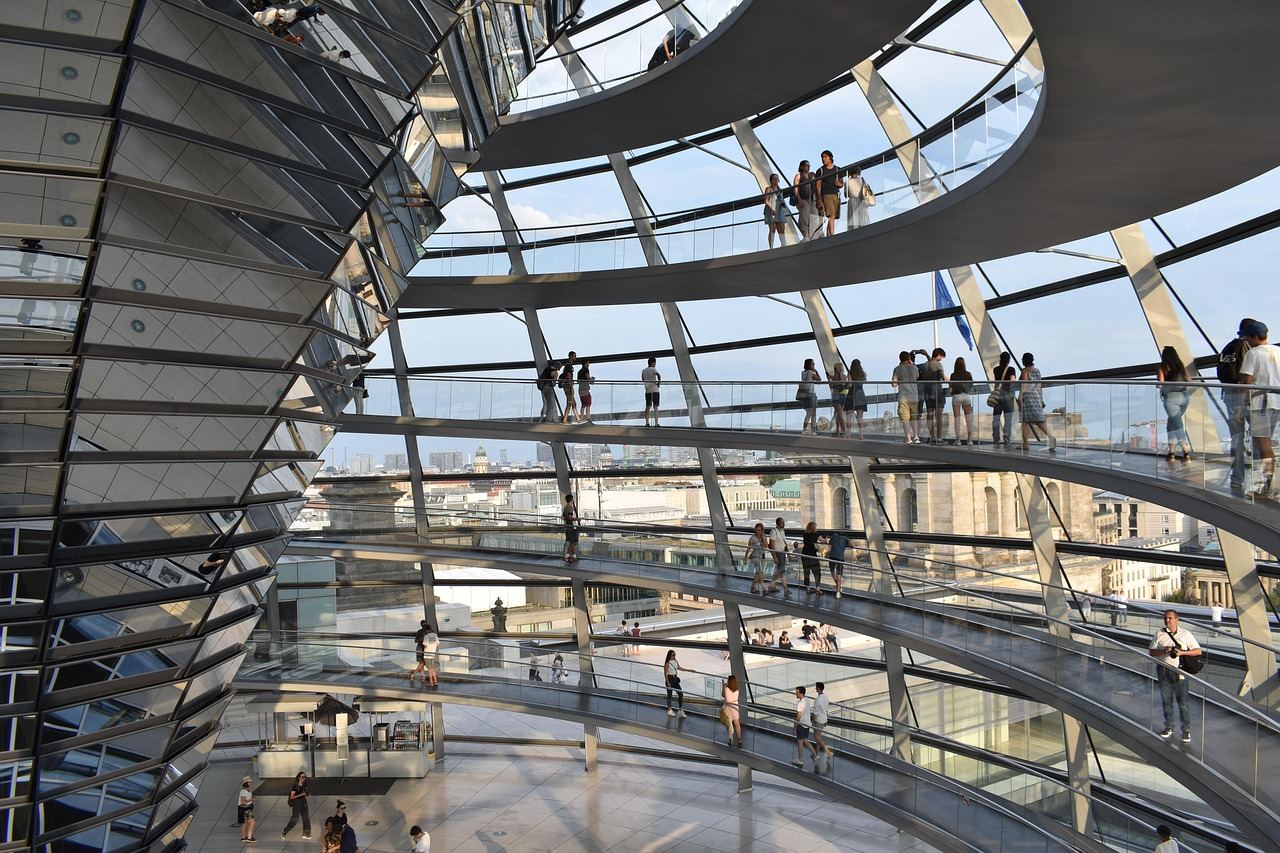
Europe · Fairy-tale castles, vibrant cities, deep forests, and world-class culture await.
Germany seamlessly blends historic fairy-tale charm with cutting-edge modern innovation and buzzing creative culture. Travelers can explore scenic Bavarian Alps, wander through dense pine forests, or dive into world-class art and nightlife in dynamic metropolises. It is an ideal destination for history buffs, outdoor lovers, culinary adventurers, and road-trippers alike.
May to September brings warm weather and lively beer gardens, while December offers magical Christmas markets. May and September are especially pleasant with mild temperatures and fewer crowds.
Moderate crowds, cherry blossoms, and rising hotel rates toward May.
Peak tourist season with open-air festivals and bustling beer gardens.
Oktoberfest draws massive crowds to Munich, followed by quiet wine harvests.
High holiday crowds around festive December markets, followed by quiet ski months.
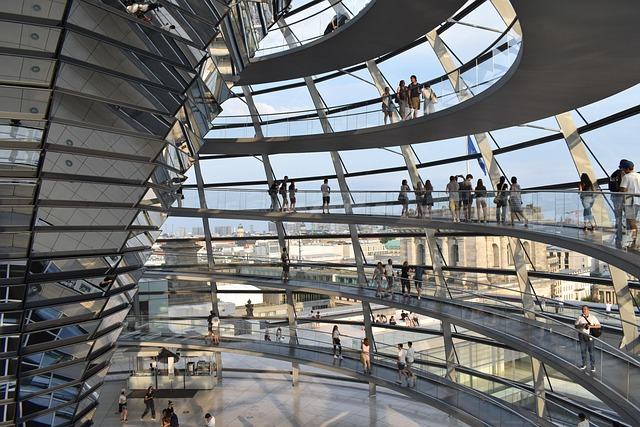
Germany's dynamic capital offers poignant Cold War history, world-renowned museums, and legendary creative nightlife.
A nineteenth-century Romanesque Revival palace perched on a rugged Bavarian hill that inspired Disney's Sleeping Beauty.
The proud capital of Bavaria is famed for grand royal architecture, expansive beer gardens, and alpine day trips.
A dense, mountainous southwestern region celebrated for evergreen forests, scenic hiking trails, and thermal spa towns.
One of Europe's best-preserved medieval towns, complete with intact city walls and half-timbered storybook houses.
A dramatic river valley lined with terraced Riesling vineyards and dozens of romantic medieval hilltop castles.
High-speed ICE trains connect these four cultural heavyweights effortlessly in under two to three hours per leg.
Plan this routeRent a car to navigate scenic country lanes past medieval walled towns and dramatic alpine foothills.
Plan this routeTravel seamlessly via regional trains along the scenic Rhine River to ancient university towns and the Black Forest.
Plan this routeRely on regional train day passes and supermarket bakeries to keep daily travel spending low.
Steamed and fried pork sausage sliced and smothered in spiced curry ketchup, usually served with fries.
Tender egg noodles baked with grated mountain cheese and topped with sweet caramelized onions.
A slow-cooked pot roast marinated in vinegar and spices, served alongside braised red cabbage and dumplings.
A freshly baked lye pretzel with a chewy crust and coarse salt, staple across Bavarian beer gardens.
A thin, breaded pork cutlet pan-fried until golden and served with fresh lemon slices and potato salad.
Deutsche Bahn high-speed ICE trains link major cities quickly and comfortably, while regional networks serve smaller towns. Renting a car is best for rural exploring and driving iconic stretches of the Autobahn. Domestic flights are rarely necessary thanks to the comprehensive and punctual passenger rail network.
Yes, cash is still an essential part of daily life in Germany. While hotels and major chains accept cards, independent cafes, bars, and market stalls frequently take cash only.
The Deutschland-Ticket is a monthly regional transit pass valid nationwide on local trains, buses, and trams. It excludes high-speed ICE and IC trains but offers unbeatable value for exploring.
Public transit in German cities is exceptionally clean, punctual, and easy to use. Most cities feature unified ticketing systems across regional trains, underground subways, and trams.
Yes, visitors with valid driver licenses can drive on the Autobahn. While certain sections lack fixed speed limits, strict lane discipline and speed restrictions around curves or construction are enforced.
Most German Christmas markets open in late November and run until December 23 or 24. They offer hot mulled wine, festive treats, and handmade gifts in historic town squares.
Get flights, hotels and a day-by-day plan across cities, made for you.
Start planningAI-written guide, last updated 2026-10-08. Check visa rules, prices and opening times before you go. Photos: ceparedonda, LoboStudioHamburg on Pixabay.