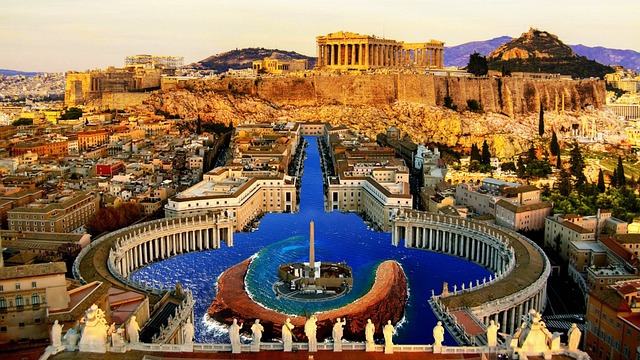
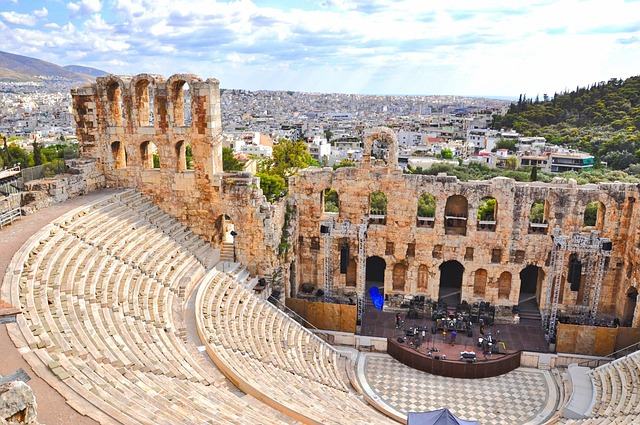
The Acropolis of Athens
The crown jewel of the Greek capital, featuring the magnificent Parthenon standing over modern Athens.
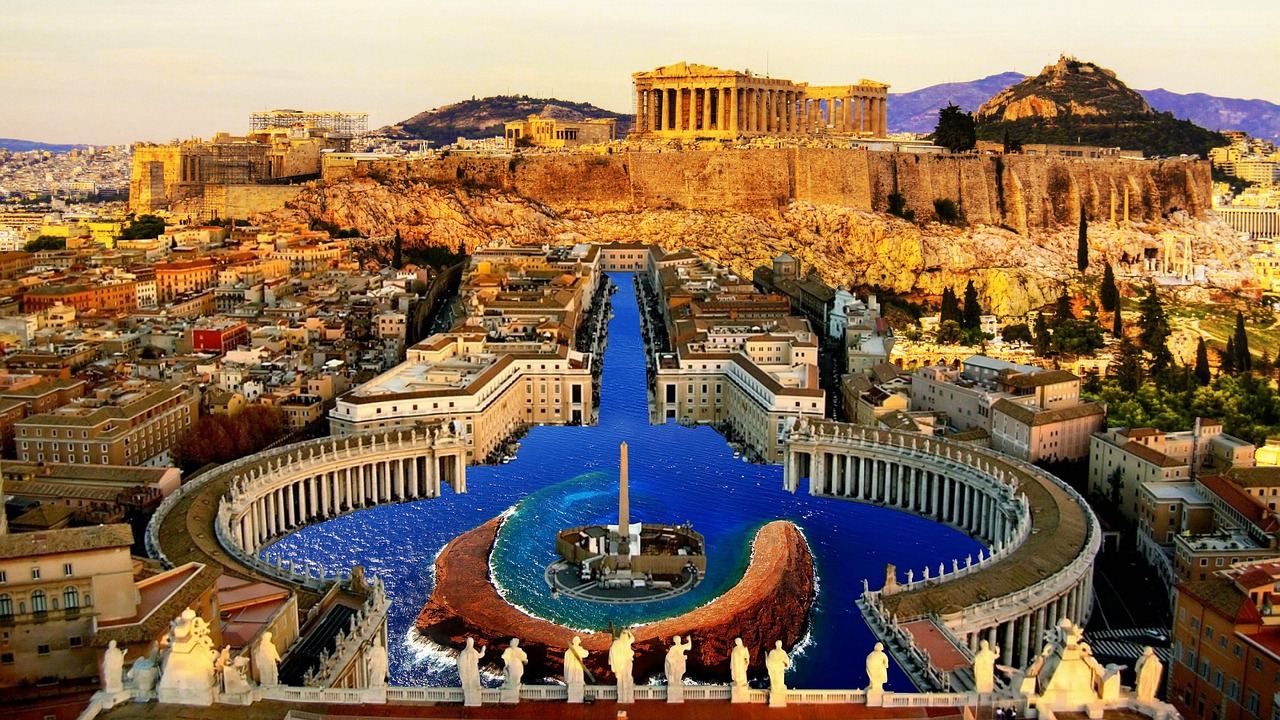
Europe · Sun-drenched islands, timeless mythology, and vibrant Mediterranean culture await.
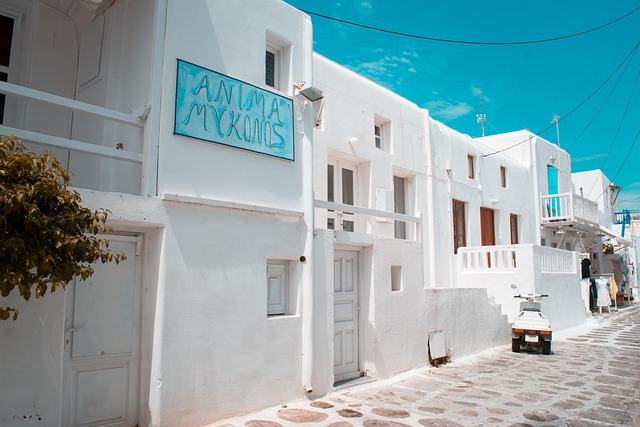
Greece blends thousands of years of ancient history with breathtaking island landscapes and crystal-clear waters. History buffs, beach lovers, and food enthusiasts alike will fall in love with its warm hospitality and laid-back lifestyle. From dramatic clifftop monasteries to whitewashed seaside alleys, every corner offers an unforgettable adventure.
May to June and September to October offer pleasant weather, warm seas, and far fewer crowds than peak summer.
Blooming wildflowers, lower hotel rates, and comfortable sightseeing without intense heat.
Peak tourist season, vibrant nightlife, full ferry schedules, and high accommodation prices.
Warm sea temperatures ideal for swimming, grape harvest season, and thinning crowds.
Off-peak tranquility, many island businesses close, but mainland cities and ruins are quiet.
The crown jewel of the Greek capital, featuring the magnificent Parthenon standing over modern Athens.
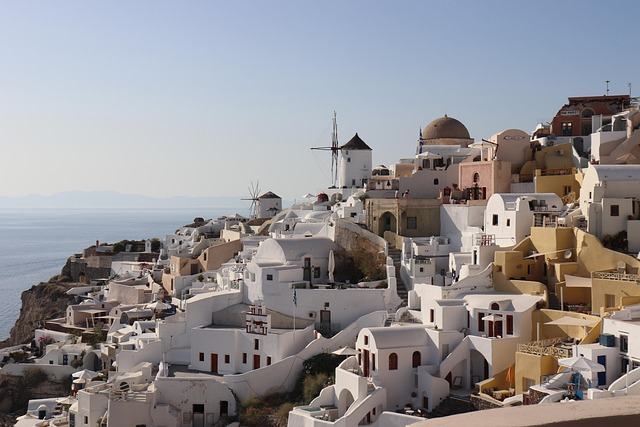
Famous for dramatic volcanic cliffs, iconic blue-domed churches, and world-renowned Aegean sunsets.
Towering natural rock pillars topped by historic Eastern Orthodox monasteries suspended between earth and sky.
Greece's largest island, boasting the Minoan Palace of Knossos, rugged gorges, and exceptional regional cuisine.
An ancient sanctuary nestled on the slopes of Mount Parnassus, once revered as the center of the world.
A Cycladic gem offering expansive sandy beaches, traditional mountain villages, and fertile agricultural valleys.
Connect between the capital and the islands using high-speed catamarans or regular passenger ferries for a balanced mix of history, beaches, and scenic views.
Plan this routeRenting a car allows you to explore classical archaeological landmarks and mainland mountain scenery at your own pace.
Plan this routeUse domestic flights and inter-island ferries to hop between ancient Minoan wonders and medieval island strongholds.
Plan this routeIsland hopping costs rise significantly in July and August, so book ferries and hotels months ahead to save.
A comforting baked casserole layered with sliced eggplant, spiced minced meat, and creamy béchamel sauce.
Skewered grilled pork or chicken served wrapped in warm pita bread with tzatziki, tomatoes, and onions.
A fresh mix of ripe tomatoes, cucumbers, kalamata olives, red onion, and a thick slab of feta cheese drizzled with olive oil.
Crisp, golden layers of phyllo pastry filled with seasoned spinach, feta cheese, and fragrant herbs.
A refreshing dip made of strained Greek yogurt, grated cucumber, garlic, olive oil, and fresh dill.
Extensive ferry networks connect Athens to the islands, with options ranging from high-speed hydrofoils to large passenger ferries. On the mainland, KTEL long-distance buses and a limited train line connect major cities, though renting a car offers the greatest freedom. Domestic flights operated by regional carriers provide quick hops between Athens and outlying islands.
Yes, especially between June and September or if you plan to travel with a vehicle. High-speed routes between popular islands like Mykonos and Santorini sell out quickly during summer.
Tap water is safe to drink in Athens and across most mainland cities. On most smaller islands, tap water is desalinated or brackish, so locals and visitors prefer bottled or filtered water.
Aim for no more than two or three islands per week to avoid spending too much time transit-bound. Island hopping can take several hours due to ferry schedules, check-ins, and potential wind delays.
Mainland sites like the Acropolis have improved accessibility with elevators, but traditional island towns often feature steep stairs and cobblestones. Planning accessible transfers and flat accommodation locations ahead of time is recommended.
The Meltemi is a strong, dry northern wind that blows across the Aegean Sea during mid-summer. It cools down hot days, but it can occasionally cause rough seas and ferry delays.
Get flights, hotels and a day-by-day plan across cities, made for you.
Start planningAI-written guide, last updated 2026-10-08. Check visa rules, prices and opening times before you go. Photos: Josch13, stand4canada on Pixabay.