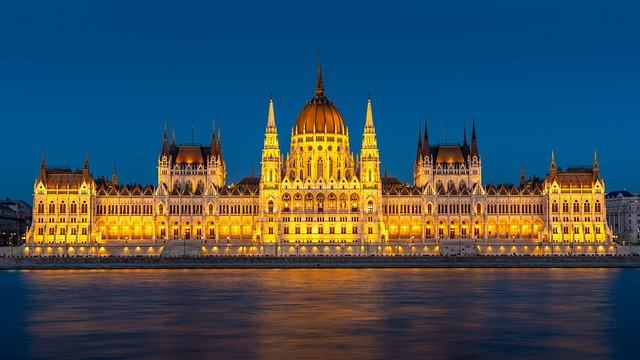
Budapest
Hungary's iconic capital features the majestic Parliament building, historic Buda Castle, and lively ruin bars.
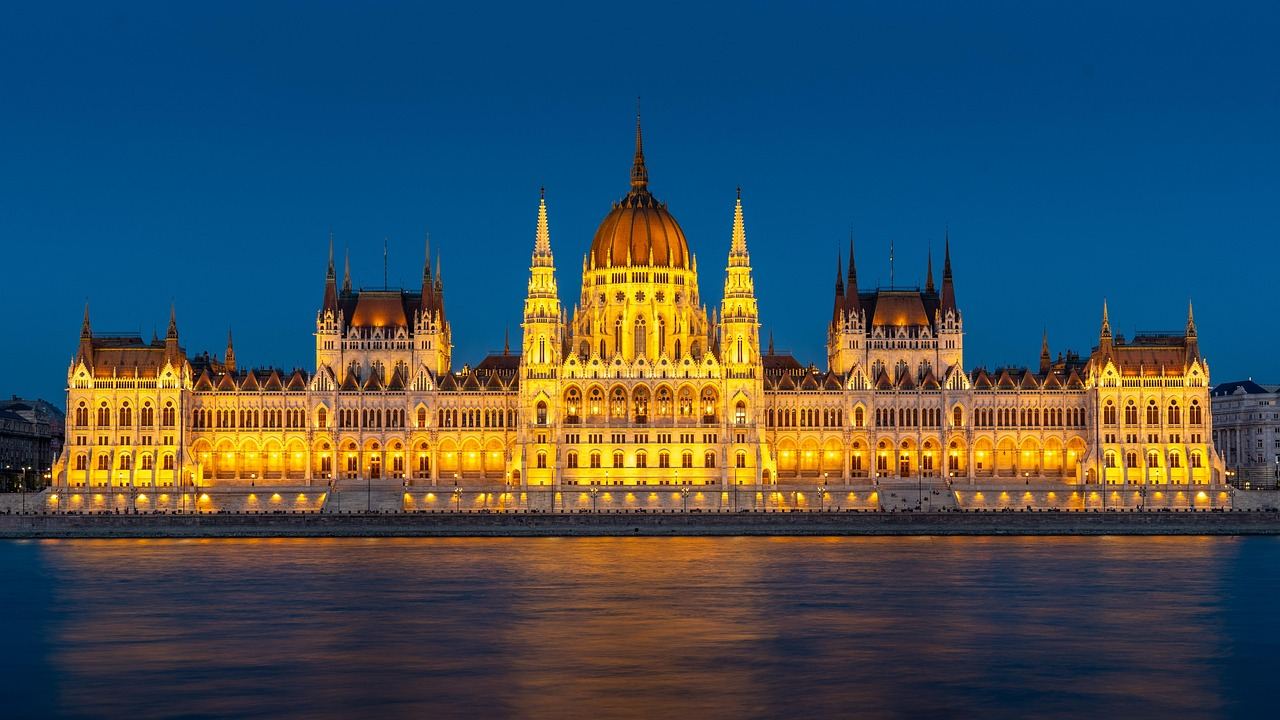
Europe · Thermal baths, grand architecture, and vibrant culture along the Danube.
Hungary charms visitors with its dramatic history, stunning architecture, and world-famous thermal bath culture. Beyond the bustling streets and ruin bars of Budapest, you will discover romantic wine regions, peaceful lakes, and ornate historic towns. It is a fantastic destination for culture seekers, food lovers, and travelers looking for great European value.
May to June and September to October offer pleasant weather, vibrant cultural events, and fewer crowds than midsummer.
Moderate crowds and great prices, with outdoor cafes opening and city parks in full bloom.
Peak tourist season, vibrant festival atmosphere, and lively beach action around Lake Balaton.
Grape harvest season in the wine regions, thinner crowds, and excellent sightseeing conditions.
Magical Christmas markets, cheap winter flights, and the perfect season to soak in hot thermal baths.
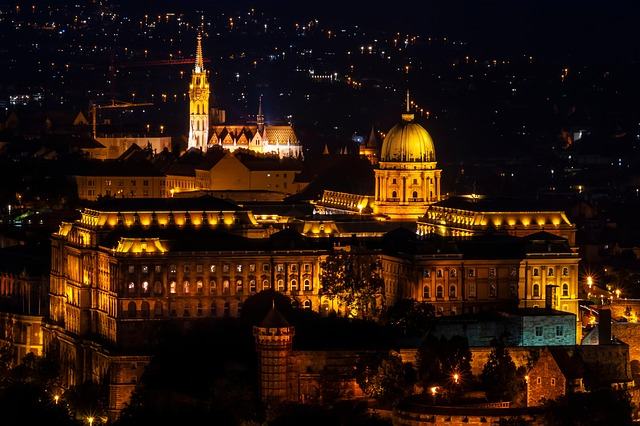
Hungary's iconic capital features the majestic Parliament building, historic Buda Castle, and lively ruin bars.
Central Europe's largest freshwater lake offers relaxed beaches, sailing, and picturesque hillside vineyards on the Tihany Peninsula.
A charming baroque town known for its heroic castle, thermal baths, and the renowned Bull's Blood red wine.
A UNESCO-listed historic region world-famous for producing sweet Tokaji Aszú dessert wines in subterranean cellars.
A vibrant university city with early Christian burial chambers, Ottoman mosques, and beautiful Zsolnay ceramics.
A colorful riverside artists' village on the Danube Bend filled with galleries, cobblestone alleys, and marzipan shops.
Explore the vibrant capital before taking quick regional train or bus journeys to artistic Szentendre and the historic wine town of Eger.
Plan this routeTravel southwest by modern intercity trains to tour historic Veszprém, unwind along Lake Balaton, and experience multicultural Pécs.
Plan this routeTake an expansive loop through eastern and southern Hungary using reliable national trains or a rental car to discover grand plains, famous vineyards, and art nouveau cities.
Plan this routeAlways choose to be charged in Hungarian Forint (HUF) when paying by card to avoid unfavorable conversion rates.
A hearty, paprika-spiced soup made with tender beef, potatoes, carrots, and pinched noodles.
Deep-fried flatbread traditionally topped with garlic oil, sour cream, and grated cheese.
Succulent chicken simmered in a creamy paprika sauce and served alongside tiny egg noodles called nokedli.
Spit-roasted chimney cake rolled in sugar, cinnamon, walnuts, or cocoa powder.
Hungary's legendary golden dessert wine with notes of honey, apricot, and rich citrus.
Hungary features an extensive and affordable rail network run by MÁV, which connects Budapest to all major cities and Lake Balaton. Regional Volánbusz buses fill in gaps to smaller villages and scenic destinations. Driving is straightforward on well-kept motorways, though you must purchase an electronic toll vignette before using highways.
While some tourist shops and hotels accept Euros, exchange rates are typically poor and change is returned in Forints. It is always better and cheaper to pay in Hungarian Forint (HUF) or use a credit card.
Plan for at least three full days to experience Budapest's major sights, a thermal bath, and its dining scene. Add an extra day or two if you want to include day trips to Szentendre or the Danube Bend.
Yes, Hungary is considered one of the safer countries in Europe for solo and female travelers. Standard precautions against pickpocketing in crowded tourist spots and on night public transport are all that is typically needed.
Card payments are accepted nearly everywhere, from restaurants and museums to grocery stores and taxis. Having a small amount of cash on hand is helpful for public restrooms, tipping, and outdoor market stalls.
Standard swimwear is required at all public thermal baths across the country. If you want to swim laps in designated swimming pools, a swim cap is almost always mandatory.
Get flights, hotels and a day-by-day plan across cities, made for you.
Start planningAI-written guide, last updated 2026-10-08. Check visa rules, prices and opening times before you go. Photos: pierre9x6, matyasvargaphoto on Pixabay.