Golden Circle
A renowned sightseeing route featuring the mighty Gullfoss waterfall, the erupting Strokkur geyser, and the rift valley of Thingvellir National Park.
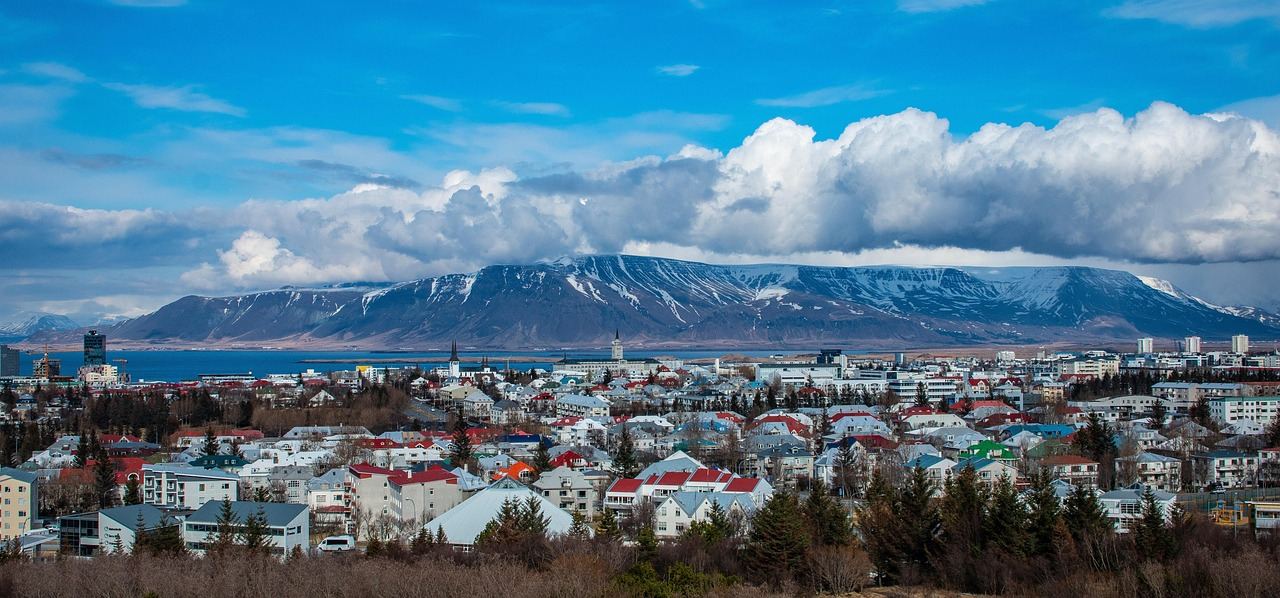
Europe · Land of fire, ice, cascading waterfalls, and glowing midnight sun.
Iceland is a breathtaking wonderland of volcanic landscapes, immense glaciers, and geothermal lagoons. Nature lovers, road trippers, and adventure seekers will find endless awe around every single bend. Whether you want to witness the dancing Northern Lights or hike across black sand beaches, this dramatic Nordic island delivers pure magic.
June through August brings mild weather and endless daylight, while September through March offers the best dark skies for viewing the Northern Lights.
Puffins arrive, snow melts, and tourist numbers remain moderate before summer peaks.
High season with 24-hour daylight, open highland F-roads, and peak prices for stays and car rentals.
Fewer crowds, autumn colors, and the official start of the Northern Lights viewing season.
Short daylight hours, frozen waterfalls, active auroras, and spectacular ice cave tours.
A renowned sightseeing route featuring the mighty Gullfoss waterfall, the erupting Strokkur geyser, and the rift valley of Thingvellir National Park.
A luminous glacial lake filled with floating blue icebergs that drift out to the volcanic shoreline of Diamond Beach.
Famous for its dramatic basalt sea stacks, powerful roaring waves, and striking jet-black volcanic coastline near Vik.
A geological hotspot in northern Iceland known for active geothermal vents, bubbling mud pots, and pseudo-craters.
Often called Iceland in miniature, offering lava fields, sea cliffs, traditional fishing villages, and the iconic Mount Kirkjufell.
Home to Europe's largest glacier, boasting crystal-blue ice caves, vast glacial tongues, and incredible hiking trails.
Focus on the most famous waterfalls, black sand beaches, and glacier lagoons. Rent a car or take guided coach tours along Route 1.
Plan this routeCircumnavigate the entire island along the legendary Route 1 highway. A rental car gives the ultimate freedom to explore diverse regions at your own pace.
Plan this routeExplore dramatic fjords, rugged coastal cliffs, and remote fishing outposts far from typical tourist crowds. Best traveled by standard or 4WD rental vehicle during summer.
Plan this routeSave money on food by cooking meals and buying groceries at discount supermarkets like Bónus or Krónan.
A comforting traditional soup made with tender Icelandic lamb, root vegetables, and fragrant herbs.
A hearty fish stew prepared with flaky white fish, mashed potatoes, onions, and rich béchamel sauce.
A popular lamb-based sausage served in a steamed bun with crispy fried onions, raw onions, and remoulade.
A thick, protein-rich cultured dairy product similar to strained yogurt that has been enjoyed for centuries.
A dense, sweet-tasting dark rye bread traditionally baked slowly underground using natural geothermal steam.
There are no passenger trains in Iceland, making car rentals the most flexible way to travel outside Reykjavík. Scheduled regional buses run year-round between major towns, and domestic flights connect Reykjavík with northern and eastern hubs. For Highland interior routes, renting a certified 4WD vehicle is mandatory.
No, Iceland is virtually cashless and cards or mobile contactless payments are accepted everywhere, even for public restrooms. Carrying small amounts of emergency cash is fine, but you will rarely if ever need to use it.
A standard two-wheel-drive car is sufficient if you are driving the paved Ring Road during summer months. However, a 4WD vehicle is required by law on highland F-roads and is strongly recommended for winter driving conditions.
The aurora borealis is visible from late August through mid-April when the night skies become dark enough. Sightings depend on high solar activity, clear unclouded skies, and staying away from major urban light pollution.
Accommodations and rental vehicles sell out rapidly, especially for the peak summer travel window between June and August. It is best to secure your lodging, vehicle, and popular activities at least four to six months in advance.
Yes, the vast majority of Icelanders speak fluent English, especially in tourism, dining, and retail sectors. You will have no trouble communicating or asking for directions anywhere across the country.
Get flights, hotels and a day-by-day plan across cities, made for you.
Start planningAI-written guide, last updated 2026-10-08. Check visa rules, prices and opening times before you go. Photos: MarcelDominic, pbat34 on Pixabay.