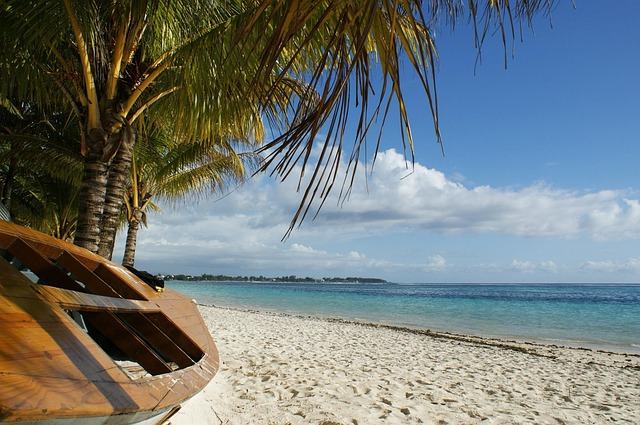
Le Morne Brabant
A striking UNESCO-listed basalt mountain rising above turquoise lagoons, famous for its dramatic hiking trail and profound runaway slave history.
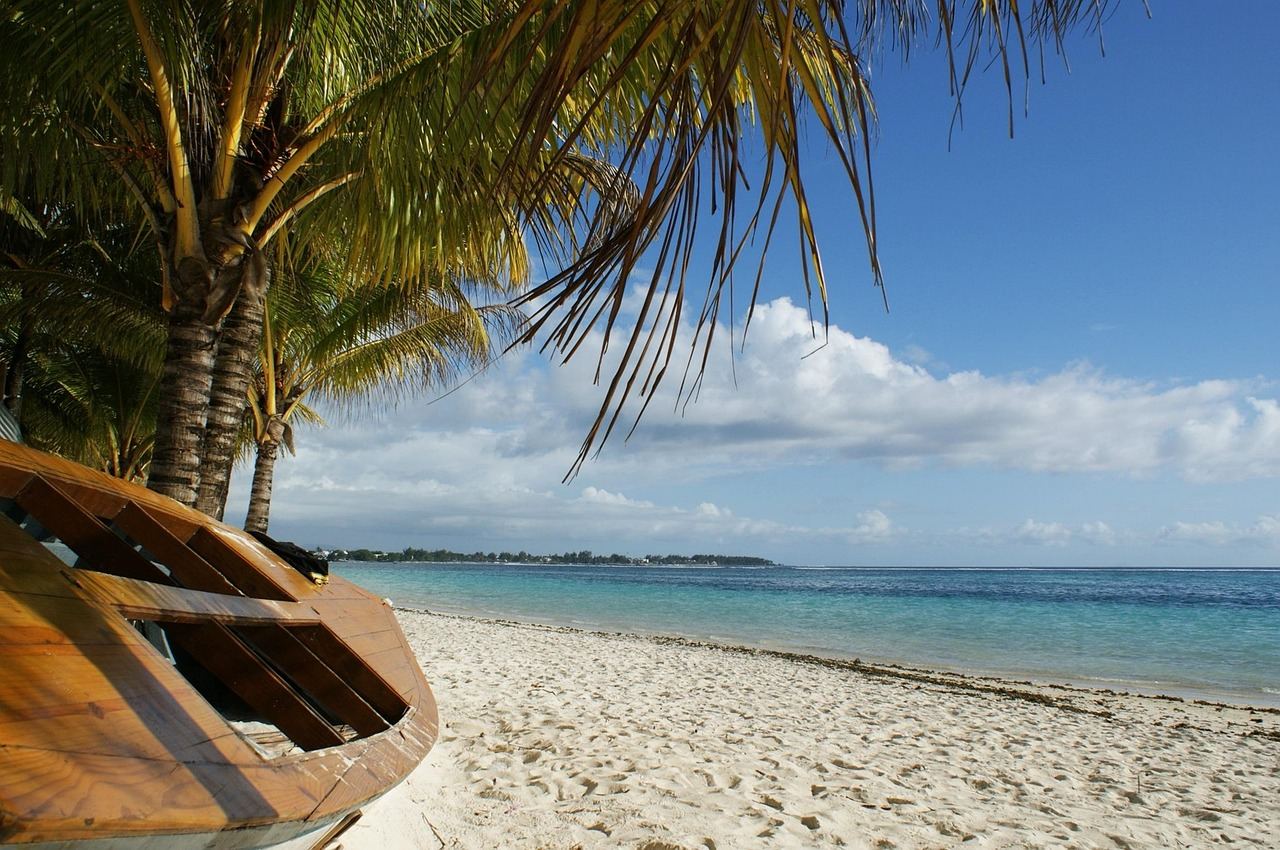
Africa · Turquoise lagoons, dramatic volcanic peaks, and rich multicultural island warmth.
Mauritius is a dazzling Indian Ocean gem famous for its powdery white beaches, lush forested mountains, and welcoming blend of cultures. Beyond luxury shoreline resorts, the island invites adventurous exploration through wild gorges, coral reefs, and vibrant street food markets. It is an unforgettable tropical haven for honeymooners, nature enthusiasts, and families alike.
The best time to visit is from May to December, when the weather is pleasantly warm, dry, and sunny. October and November are especially ideal for calm seas and comfortable temperatures before the summer humidity sets in.
Peak tourist season around Christmas and New Year with higher prices, though late summer can bring occasional cyclones.
Shoulder season with comfortable water temperatures, lower resort rates, and thinner crowds.
Great for hiking, surfing, and kitesurfing, with fewer crowds and the lowest accommodation prices of the year.
Exceptional diving visibility, blossoming flora, and moderate hotel rates make this a sweet spot for visitors.
A striking UNESCO-listed basalt mountain rising above turquoise lagoons, famous for its dramatic hiking trail and profound runaway slave history.
The island's largest protected rainforest, crisscrossed with scenic hiking trails leading to thundering waterfalls and rare native bird habitats.
A unique geological formation of kaleidoscopic sand dunes surrounded by coffee plantations and the breathtaking Chamarel Waterfall.
A postcard-perfect islet off the east coast celebrated for its crystal-clear shallow lagoons, water sports, and tranquil sandy spits.
One of the southern hemisphere's oldest botanical gardens, renowned for its giant Victoria amazonica water lilies and fragrant spice trees.
The bustling northern hub known for its lively nightlife, boutique shopping, diverse dining scene, and vibrant boat-filled bay.
Covers the best beaches, cultural markets, and southwest mountains using a rental car or hired private driver for easy coast-to-coast hops.
Plan this routeFocuses on scenic southern hiking, marine conservation, and wildlife watching, easily navigated by rental car along smooth coastal highways.
Plan this routeIdeal for catamaran cruises, coral reef snorkeling, and idyllic resort hopping along the east and north shores using taxis and boat charters.
Plan this routeRenting a local apartment and enjoying street food significantly cuts costs compared to all-inclusive luxury resort stays.
Thin, warm griddled flatbreads stuffed with ground yellow split peas and served with spicy tomato rougaille and pickled vegetables.
A rich Creole tomato-based stew flavored with thyme, ginger, and garlic, prepared with fish, sausage, or paneer.
Savory steamed dumplings filled with meat, chayote, or seafood, served piping hot in a fragrant clear scallion broth.
Addictive deep-fried split pea fritters spiced with fresh chili, coriander, and cumin, sold hot at roadside snack stalls.
A refreshing sweet milk drink flavored with basil seeds, agar-agar jelly strands, and fragrant vanilla or almond syrup.
Renting a car is the most flexible way to explore Mauritius at your own pace, with driving on the left side of the road. Reliable public buses run across the island and offer an authentic, cheap experience, though trips can be slow. Taxis and private chauffeured tours are readily available at hotels for convenient day-long sightseeing.
Mauritius is officially free of malaria, so preventative antimalarial medications are not required. A yellow fever vaccination certificate is only mandatory if you are traveling from an endemic area. Always check routine booster recommendations with a travel clinic before departure.
Not at all; while luxury resorts are plentiful, independent travel is booming across the island. Charming guesthouses, self-catering beach villas, and local eateries make it very accessible for budget and mid-range travelers. Public transport and rental cars also allow self-guided exploration at an affordable pace.
The northern and northwestern coasts, around Trou aux Biches and Mont Choisy, feature calm waters ideal for swimming and families. The southwest around Le Morne offers spectacular scenery and world-class kiteboarding, while the east coast boasts untouched stretches of sand.
Tap water is treated and generally safe in major international hotels, but bottled or filtered water is widely recommended for visitors. Sensitive stomachs should stick to purified water, especially in rural areas or during intense storms. Avoid single-use plastics where possible by using reusable filtered bottles.
Bring a debit or credit card and withdraw Mauritian Rupees directly from bank ATMs located at the airport or major towns. Euros, British Pounds, and US Dollars are easily exchanged at foreign exchange bureaus across the island. Small cash denominations are essential when purchasing street snacks and handicrafts.
Get flights, hotels and a day-by-day plan across cities, made for you.
Start planningAI-written guide, last updated 2026-10-08. Check visa rules, prices and opening times before you go. Photos: ymon, photosforyou on Pixabay.