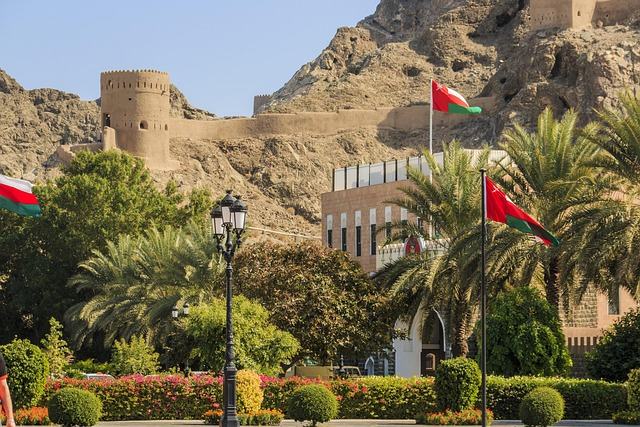
Muscat
The capital city blends low-rise Arabian architecture with coastal promenades, home to the Sultan Qaboos Grand Mosque and Mutrah Souq.
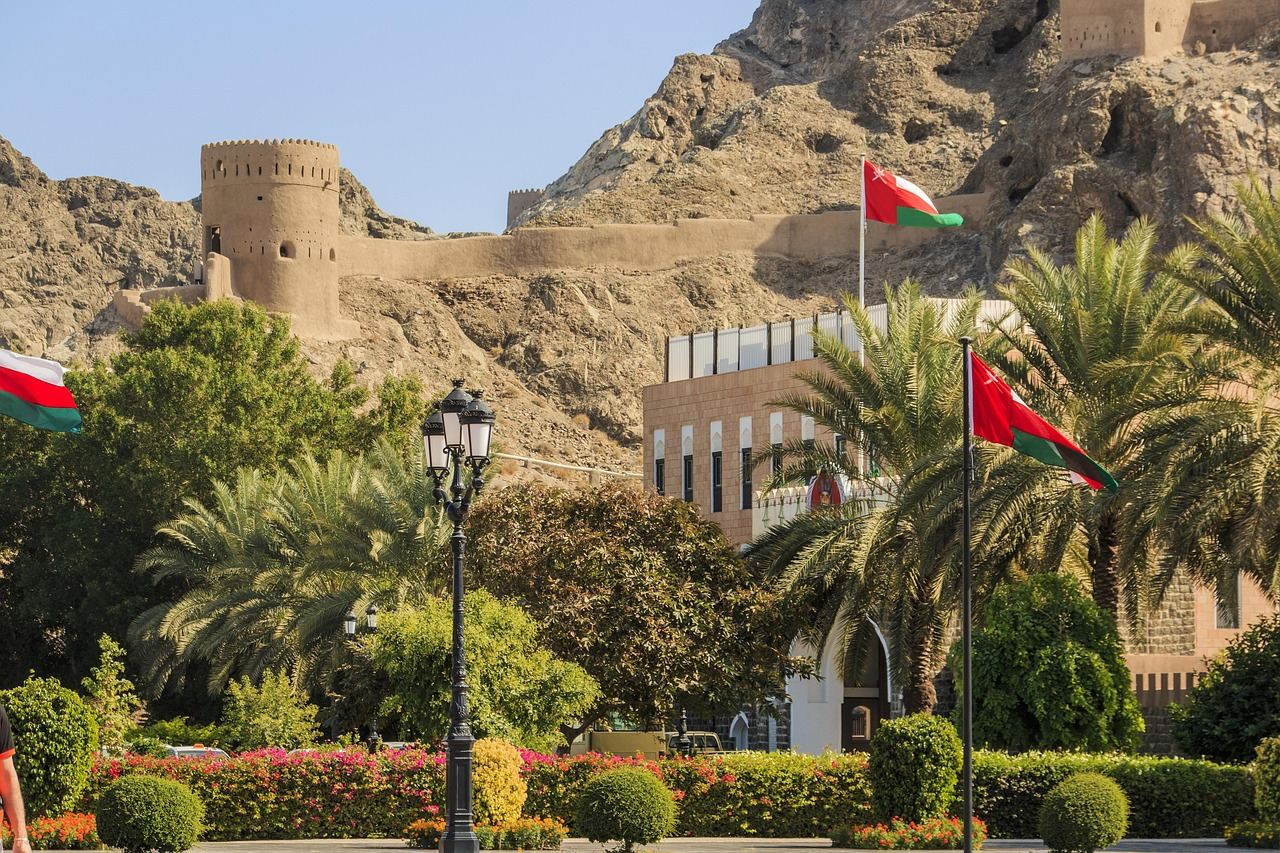
Middle East · Majestic deserts, rugged mountains, and timeless Arabian hospitality await your discovery.
Oman charms visitors with its dramatic mountain ranges, pristine coastline, and preserved heritage free of towering skyscrapers. Outdoor adventurers, history enthusiasts, and road-trippers will love exploring its ancient forts, emerald wadis, and vast dunes. The genuine warmth and safety found across the sultanate make every journey feel effortless and welcoming.
The best time to visit is from October to April when temperatures are pleasantly mild and ideal for outdoor adventures. Summer is generally scorching, except in southern Salalah which turns lush and cool during the monsoon.
Peak tourist season with higher accommodation rates; optimal for hiking, wadi swimming, and desert camping.
Fewer crowds, blooming damask roses in Jebel Akhdar, and great conditions for coastal waters before peak summer heat.
Intensely hot in the north, but Dhofar region experiences the Khareef monsoon, bringing mist, rain, and regional tourism.
Pleasant sea temperatures for scuba diving, turtles nesting in Ras Al Jinz, and thinning post-monsoon crowds.
The capital city blends low-rise Arabian architecture with coastal promenades, home to the Sultan Qaboos Grand Mosque and Mutrah Souq.
A historic inland city famous for its massive 17th-century circular fort tower and bustling Friday morning livestock market.
Towering peaks of the Al Hajar Mountains offering breathtaking canyon walks, fruit orchards, and Oman's highest peak.
An expansive sea of undulating amber dunes where visitors can experience authentic Bedouin hospitality and stargazing.
A dramatic river gorge featuring turquoise freshwater pools, hidden caves, and cascading subterranean waterfalls.
A subtropical southern oasis famous for frankincense groves, coconut palms, and mist-shrouded green hills during the monsoon.
This popular loop takes you from the capital to ancient forts, into the desert dunes, and back along coastal wadis. Renting a car makes this road trip smooth and flexible.
Plan this routeAn adventure-focused route spending extra nights in the rugged Al Hajar ranges before hitting the dunes and coastal gorges. A 4WD vehicle is required for mountain checkpoints and desert terrain.
Plan this routeA comprehensive journey across the interior desert to the tropical southern coast of Dhofar. Travel by 4WD overland along the coastal highway or take a domestic flight back to Muscat from Salalah.
Plan this routeRenting a car is essential, so traveling with friends lowers transportation expenses significantly.
Tender meat marinated in aromatic spices and slow-roasted for up to 48 hours in an underground sand oven.
A fragrant spiced basmati rice dish simmered with saffron, cardamom, vegetables, and chicken or lamb.
A sweet, gelatinous treat flavored with saffron, rosewater, cardamom, ghee, and roasted almonds.
Charcoal-grilled skewers of marinated beef, mutton, or chicken glazed with a tangy tamarind chili sauce.
Traditional light roast coffee brewed with green cardamom and served without sugar alongside sweet dates.
Renting a four-wheel-drive car is the best and most flexible way to explore Oman's canyons, deserts, and mountain peaks. Modern, paved highways link all major towns, while domestic flights connect Muscat to Salalah within ninety minutes. Public intercity buses exist between major cities, but they do not serve remote wadis or natural landmarks.
Oman is exceptionally safe and welcoming for solo female travelers, boasting low violent crime rates. Locals are polite and respectful, though dressing modestly helps avoid unwanted attention. Standard travel precautions regarding late-night navigation apply as they would anywhere else.
A standard sedan is fine if you only stick to Muscat, Sur, and Nizwa town centers on paved highways. However, police checkpoints legally require a 4WD for ascending Jebel Akhdar, and deep desert sand dunes are impassable without one. Renting a 4WD ensures you can access scenic wadis and dramatic mountain viewpoints without restrictions.
Both men and women must dress conservatively with wrists and ankles fully covered. Women must also cover their hair and neck with a scarf, avoiding tight or transparent fabrics. Men should wear long trousers and shirts with sleeves; shorts and sleeveless tops are strictly prohibited.
Alcohol is available to tourists inside licensed hotel bars, luxury resort lounges, and specialized restaurants. It is strictly prohibited to drink in public places, parks, or streets, and driving under the influence carries zero tolerance. Non-resident visitors can also purchase duty-free alcohol upon arrival at Muscat International Airport.
The Khareef is the summer monsoon period lasting roughly from late June through early September in southern Oman. It turns the arid landscapes of Dhofar into a lush, foggy, green wonderland with flowing streams and cool temperatures. It draws large numbers of regional travelers seeking respite from intense Gulf heat.
Get flights, hotels and a day-by-day plan across cities, made for you.
Start planningAI-written guide, last updated 2026-10-08. Check visa rules, prices and opening times before you go. Photos: SuzyT, Makalu on Pixabay.