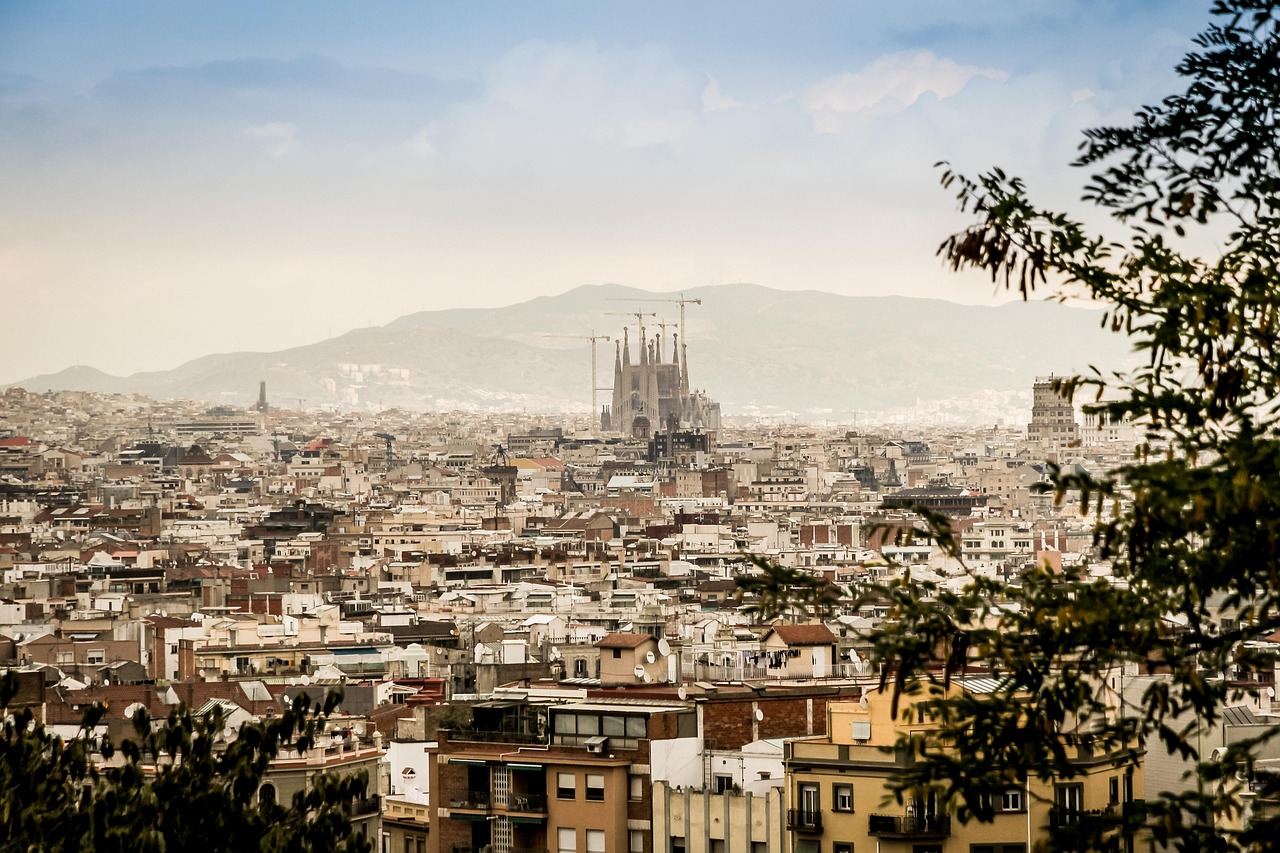
Barcelona & Sagrada Família
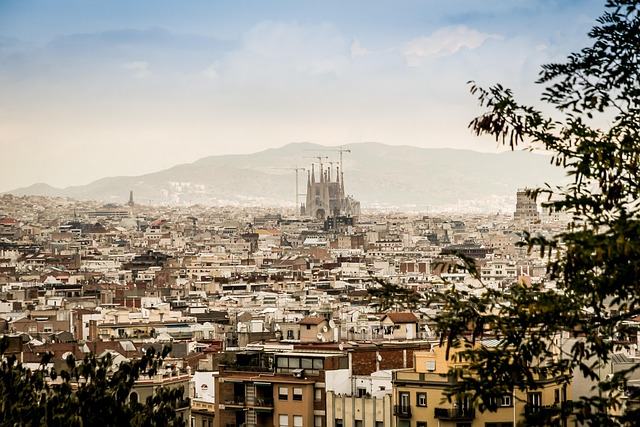
Gaze at Antoni Gaudí's breathtaking basilica and stroll down the bustling pedestrian street of Las Ramblas. The city effortlessly combines avant-garde architecture with golden Mediterranean beaches.
Europe · Sun-drenched plazas, world-class art, and unforgettable culinary adventures await.
Spain captivates visitors with its rich tapestry of historic architecture, vibrant street life, and diverse regional cultures. Food lovers, beachgoers, and history buffs alike will find endless inspiration across its distinct landscapes. Whether exploring lively tapas bars or peaceful Mediterranean coves, every traveler finds something to fall in love with.
Spring from April to May and fall from September to October offer ideal weather with comfortable temperatures and fewer crowds. Summer is popular for beaches but can bring intense heat inland.
Moderate crowds, colorful flower festivals like the Cordoba Patio Festival, and rising accommodation rates.
Peak tourist season, crowded coastal resorts, high hotel prices, and lively late-night festivals.
Lower prices, thinning crowds, comfortable sightseeing weather, and grape harvest events.
Fewest tourists, bargain hotel rates, festive Christmas markets, and ski opportunities in the Pyrenees.
Gaze at Antoni Gaudí's breathtaking basilica and stroll down the bustling pedestrian street of Las Ramblas. The city effortlessly combines avant-garde architecture with golden Mediterranean beaches.
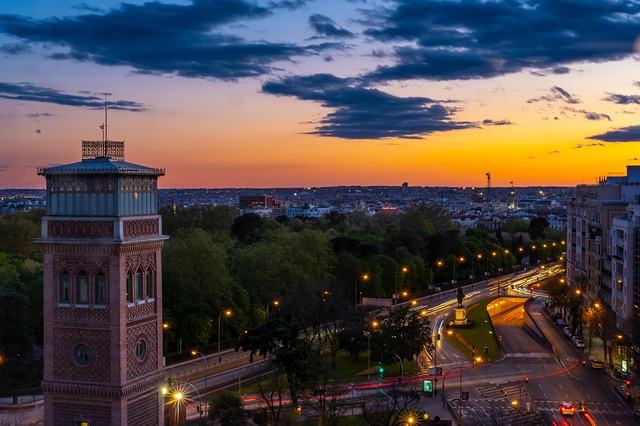
Spain's grand capital showcases royal palaces alongside masterworks by Velázquez, Goya, and Picasso. Evenings come alive in historic taverns serving classic tapas.
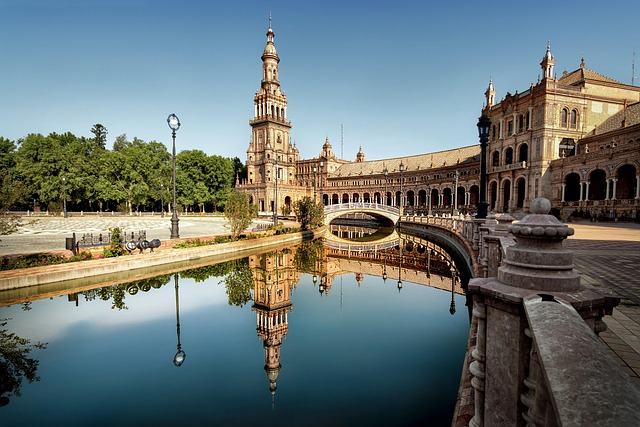
Immerse yourself in the soul of Andalusia through dramatic flamenco performances and intricate Moorish palaces. Fragrant orange trees line the narrow cobblestone alleys of the historic Santa Cruz quarter.
This hilltop fortress complex showcases breathtaking Islamic architecture against the snowy backdrop of the Sierra Nevada mountains. The historic Albaicín quarter offers stunning panoramic viewpoints.
Nestled along the Bay of Biscay, this culinary capital is renowned worldwide for its pintxos bars and pristine crescent beach of La Concha. It is a dream destination for gastronomy enthusiasts.
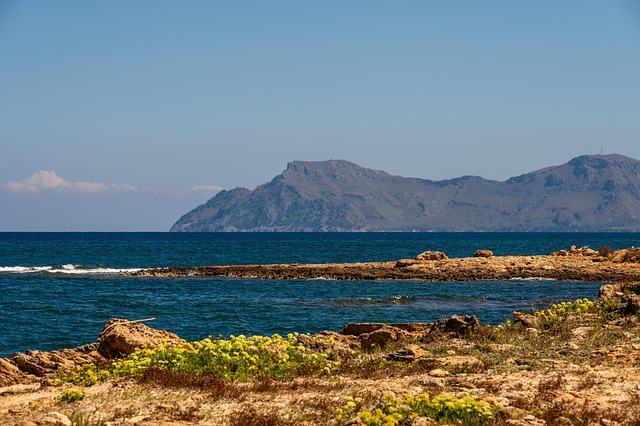
This Balearic island blends turquoise swimming coves with rugged limestone peaks in the Serra de Tramuntana. Charming mountain villages provide a peaceful contrast to bustling coastal resorts.
Travel seamlessly between major cities using the high-speed AVE train network. This classic journey covers Spain's iconic art museums, southern flamenco passion, and Catalan modernist architecture.
Plan this routeConnect these historic southern gems easily by regional trains or rental car. You will explore monumental Islamic palaces, historic Jewish quarters, and sun-soaked Mediterranean coastal promenades.
Plan this routeDrive or take scenic regional buses along the green northern coast known as España Verde. This route treats travelers to world-class Basque dining, striking contemporary art, and historic pilgrimage paths.
Plan this routeOrder the weekday lunchtime menú del día for a great-value three-course meal with wine included.
The authentic original rice dish crafted with chicken, rabbit, green beans, and saffron in a wide pan.
Small bite-sized treats ranging from garlic shrimp and patatas bravas to creative northern skewered snacks.
Prized dry-cured ham carved into paper-thin slices with a rich, nutty flavor.
A refreshing chilled soup made from ripe tomatoes, peppers, cucumbers, garlic, and extra virgin olive oil.
Crispy fried dough pastries served hot alongside thick, decadent melted dipping chocolate.
Spain boasts one of the world's best high-speed train networks, with Renfe, iryo, and Ouigo linking major cities swiftly. Modern intercity bus lines like ALSA serve smaller towns, while rental cars are ideal for rural exploration. Domestic flights are primarily useful for hopping to the Balearic or Canary Islands.
While speaking basic Spanish phrases is polite and helpful, English is widely spoken in hotels, restaurants, and top attractions. In smaller villages and rural regions, having a translation app on your phone will make communication effortless.
A 10 to 14 day itinerary is ideal for first-timers to see Madrid, Seville, and Barcelona comfortably without feeling rushed. A shorter week-long trip is best spent focusing on just one specific city and its surrounding day-trip destinations.
Spanish dining schedules run much later than in most Western countries, with lunch served from 1:30 PM to 4:00 PM and dinner starting after 8:30 PM. Tapas bars stay open between traditional meal hours, making them a great option if you need an earlier bite.
Yes, tap water is completely safe and potable across mainland Spain and most islands. Some coastal areas have higher mineral contents that alter the taste slightly, but it remains fully drinkable.
Visa-exempt travelers from outside the EU will need an approved ETIAS authorization linked to their passport prior to boarding. EU and EEA citizens only need a valid national ID card or passport to enter freely.
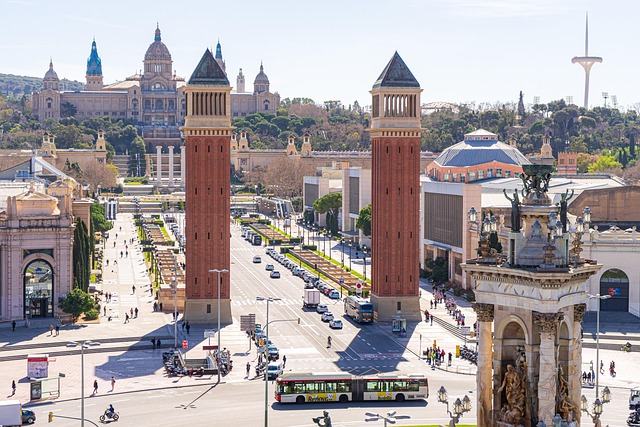
Get flights, hotels and a day-by-day plan across cities, made for you.
Start planningAI-written guide, last updated 2026-10-08. Check visa rules, prices and opening times before you go. Photos: jarmoluk, dominickvietor on Pixabay.