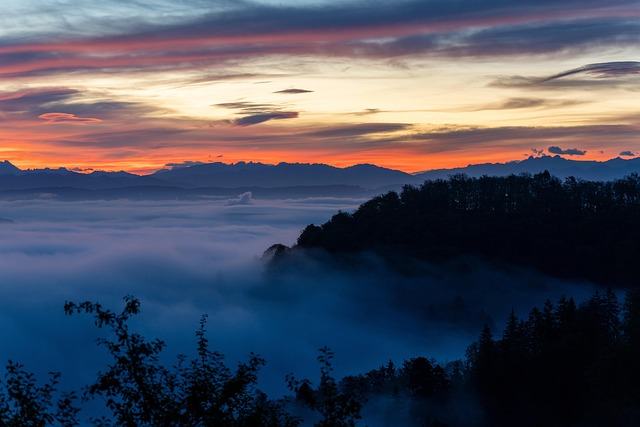
Zermatt & The Matterhorn
Home to the iconic pyramid-shaped peak and car-free alpine charm. It offers exceptional year-round skiing, mountain climbing, and scenic cable cars.
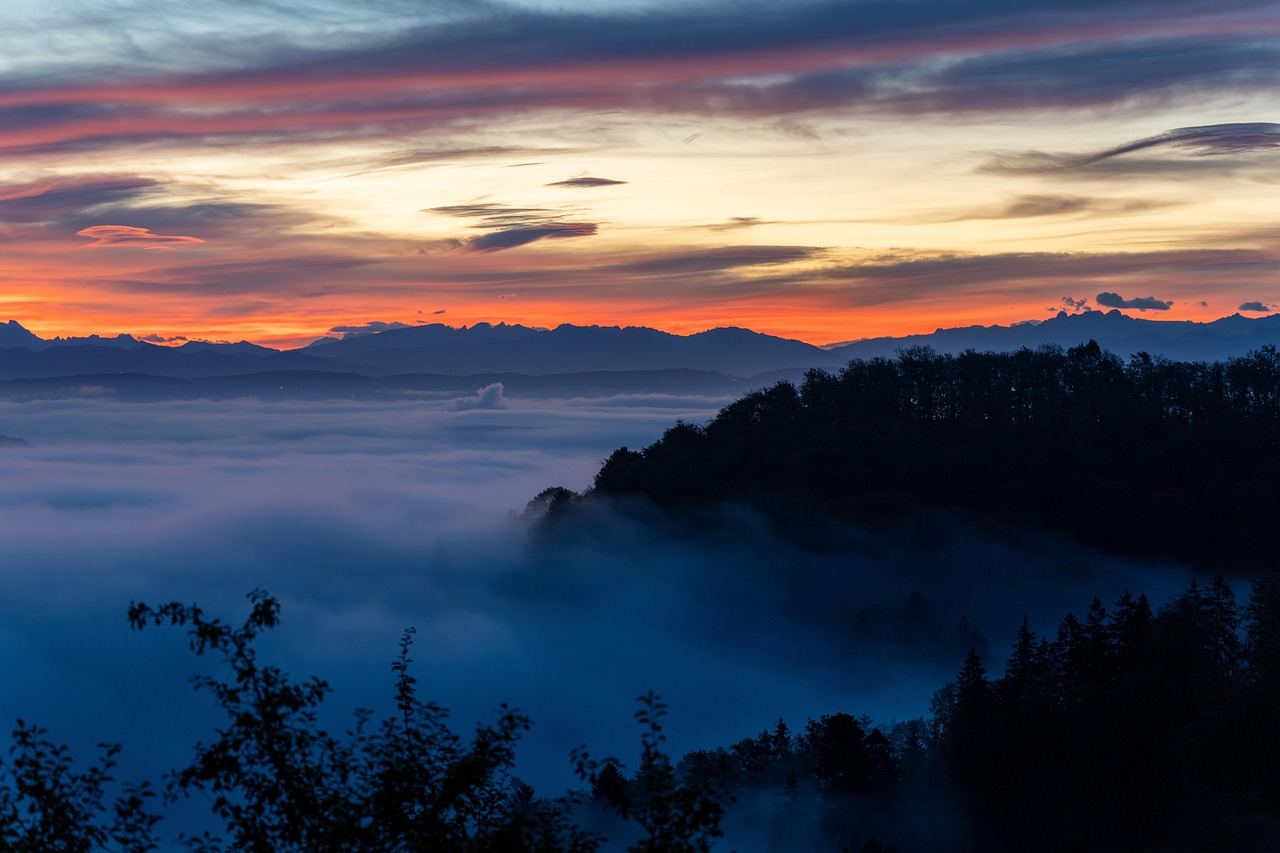
Europe · Majestic alpine peaks, crystal-clear lakes, and picture-perfect scenic train journeys.
Switzerland is a breathtaking destination renowned for dramatic alpine landscapes, pristine lakes, and world-class public transit. Nature lovers, adventure seekers, and culture enthusiasts alike will fall in love with its charming historic towns and majestic peaks. Whether you visit to ski snowy slopes or hike wildflower meadows, it offers unforgettable wonders.
July to August is ideal for warm hiking weather, while December to March offers premier skiing conditions. Shoulder seasons like June and September provide pleasant weather with fewer crowds.
Lower crowds, blooming valleys, and shoulder-season hotel rates.
Peak hiking season, open mountain passes, high crowds, and peak prices.
Stunning fall foliage, wine harvests, and dwindling tourist crowds.
Peak ski season in the Alps, festive Christmas markets, and premium lodging rates.
Home to the iconic pyramid-shaped peak and car-free alpine charm. It offers exceptional year-round skiing, mountain climbing, and scenic cable cars.
Encompassing Grindelwald, Wengen, and Lauterbrunnen, this area boasts dramatic cliffs and 72 waterfalls. Take the historic cogwheel train up to the Jungfraujoch, known as the Top of Europe.
A picturesque lakeside city framed by Mount Pilatus and Mount Rigi. Stroll across the 14th-century Chapel Bridge and explore the preserved medieval old town.
This sun-drenched region features lakeside promenades, terraced Lavaux vineyards, and the historic Château de Chillon. It blends Swiss efficiency with relaxed French-speaking culture.
A glamorous alpine valley renowned for crystalline lakes, traditional Engadin architecture, and winter sports. Ride the Glacier Express or Bernina Express through its dramatic landscapes.
The Swiss capital charms visitors with its UNESCO-listed medieval old town, covered arcades, and tranquil river bends. Spot the famous brown bears along the Aare River and admire the Zytglogge clock tower.
Travel seamlessly between stops on Swiss Federal Railways, enjoying panoramic views through lake shores and mountain valleys.
Plan this routeConnect these scenic spots via the GoldenPass Line, Glacier Express, and Bernina Express for legendary rail journeys.
Plan this routeEfficient regional trains link these historic cultural hubs, allowing for easy day trips and museum explorations.
Plan this routeBuy groceries at Coop or Migros and invest in a Swiss Travel Pass to save significantly on transit.
Melted Gruyère and Emmental cheeses blended with white wine and garlic, served with crusty bread cubes.
Heated alpine cheese scraped generously over boiled potatoes, accompanied by cornichons and pickled pearl onions.
A crispy, pan-fried grated potato pancake traditionally served alongside sausages or topped with a fried egg.
Tender sliced veal cooked in a rich white wine, mushroom, and cream sauce, typically paired with rösti.
A popular herbal soft drink made from milk whey, widely enjoyed throughout Switzerland.
Traveling between Swiss cities is best done using the punctual, world-renowned train network operated by SBB. Scenic trains, mountain cogwheels, and PostBuses cleanly connect even the most remote alpine villages. Renting a car is rarely necessary unless you want complete flexibility across high mountain passes.
Yes, Switzerland is among the world's costliest travel destinations. You can reduce expenses by staying in apartments, self-catering meals, and purchasing multi-day transport passes.
You will rarely need cash, as credit and debit cards are universally accepted across restaurants, shops, and transport. Carrying a small amount of Swiss Francs is helpful for coin-operated lockers or honesty farm shops.
It is worthwhile if you plan to travel between regions frequently and use mountain lifts or lake boats. It covers all national trains, city transit, most museums, and offers heavy discounts on high-peak cable cars.
English is widely understood in hotels, restaurants, and train stations across the country. Learning basic greetings in German or French depending on the region is always polite and appreciated.
Absolutely, as Switzerland offers winter walking trails, thermal spas, and scenic train rides year-round. Outside winter, the country becomes a paradise for hiking, castle touring, and scenic lake cruises.
Get flights, hotels and a day-by-day plan across cities, made for you.
Start planningAI-written guide, last updated 2026-10-08. Check visa rules, prices and opening times before you go. Photos: ramboldheiner, 4997826 on Pixabay.