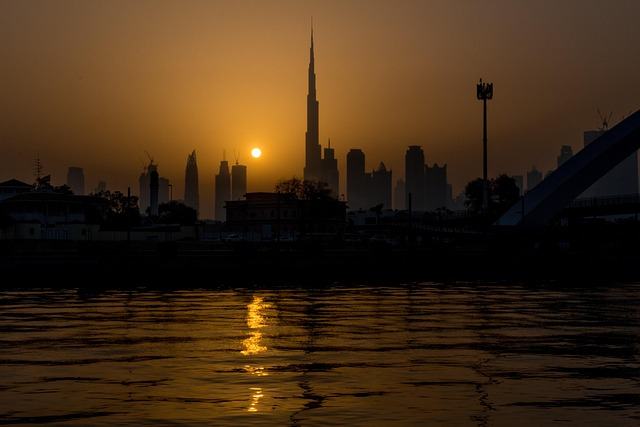
Burj Khalifa & Downtown Dubai
The world's tallest skyscraper offers sweeping panoramic views across the city, adjacent to the spectacular Dubai Fountain and Dubai Mall.
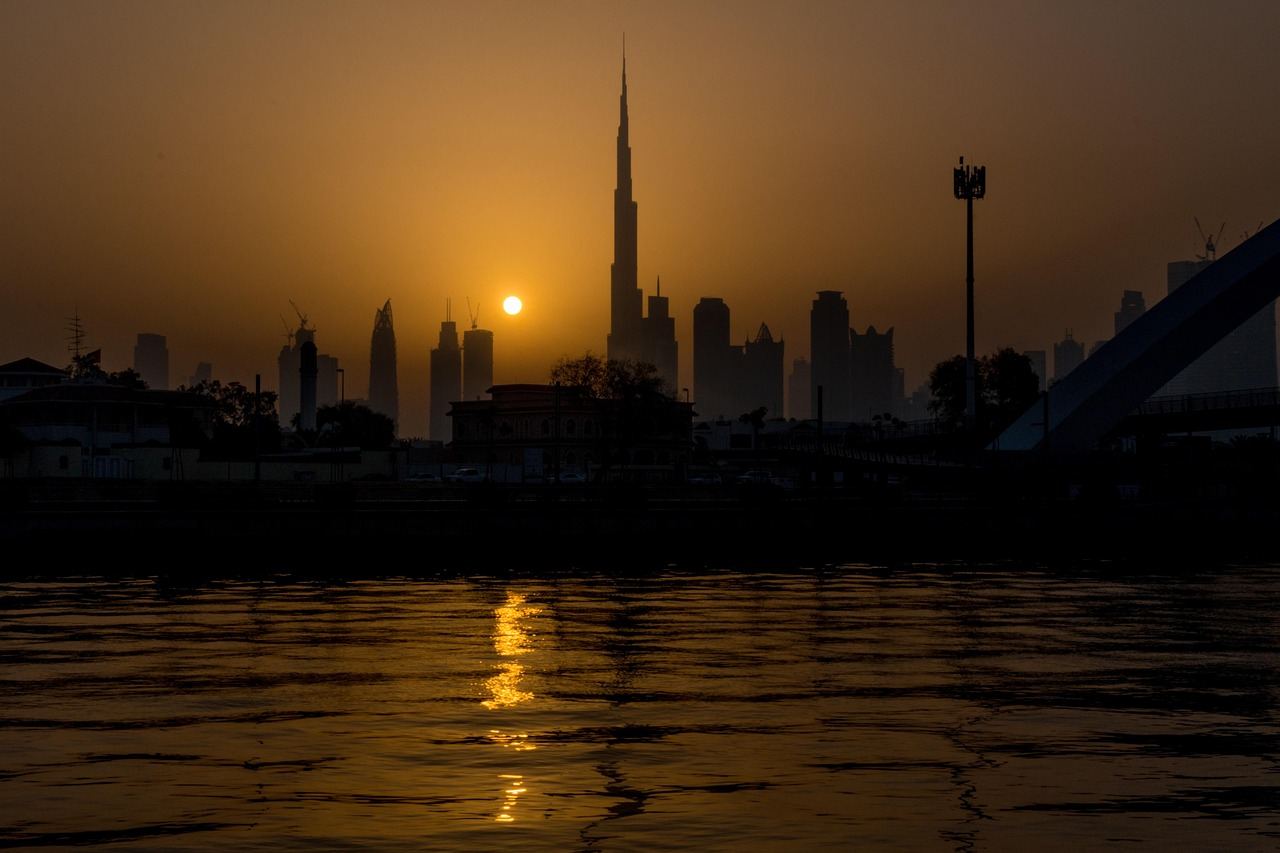
Middle East · Where futuristic skyline wonders meet timeless desert traditions.
The United Arab Emirates blends ambitious modern architecture with deep-rooted Bedouin heritage and golden coastlines. Travelers will find everything from world-record skyscrapers and luxury shopping to historic souks, quiet mountain wadis, and sprawling desert dunes. It is ideal for families, architecture enthusiasts, and adventurous luxury seekers alike.
November through March is the best time to visit, offering pleasantly warm days and cool desert evenings perfect for outdoor exploration.
Peak tourist season with bustling festivals, packed beaches, and high accommodation rates.
Warm sea temperatures and fewer crowds make this an excellent shoulder-season window.
Low season with deep hotel discounts, centered entirely on indoor malls, aquariums, and air-conditioned attractions.
Outdoor dining and desert safaris resume as temperatures ease, with tourism picking up in November.
The world's tallest skyscraper offers sweeping panoramic views across the city, adjacent to the spectacular Dubai Fountain and Dubai Mall.
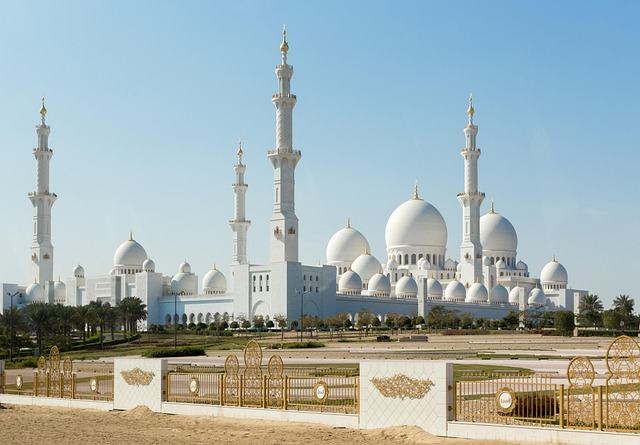
A masterpiece of contemporary Islamic architecture featuring 82 white marble domes, reflective pools, and intricate floral mosaics.
A striking universal museum situated on Saadiyat Island, renowned for its floating geometric dome and world-class cross-cultural art.
An enclave set in the rugged Hajar Mountains offering turquoise reservoir kayaking, hiking trails, and restored mountain settlements.
The highest peak in the UAE, famous for dramatic mountain drive switchbacks and the world's longest zipline.
A desert heritage site set against striking red dunes, revealing Stone Age relics and ancient pre-Islamic settlements.
Explore Dubai's modern marvels and historic creekside souks before taking a scenic 90-minute drive or intercity coach to Abu Dhabi for museums and grand architecture.
Plan this routeRent a car from Dubai to navigate through the rocky Hajar Mountains, dive along Fujairah's Gulf of Oman coastline, and reach Jebel Jais in Ras Al Khaimah.
Plan this routeTravel by highway through cultural Sharjah, head inland to the UNESCO-listed oasis city of Al Ain, and conclude with the waterfront sights of Abu Dhabi.
Plan this routeSave significantly by eating at neighborhood South Asian cafeterias and riding the efficient Dubai Metro.
A fragrant spiced rice dish slow-cooked with tender meat, dried lime, and Arabian aromatics.
Crispy golden deep-fried dough balls drizzled with sweet date syrup and sprinkled with toasted sesame seeds.
Thinly shaved marinated rotisserie chicken or beef wrapped in pita with garlic sauce and pickles.
A rich, spiced black tea brewed with evaporated milk, cardamom, and sugar, served hot throughout the day.
A comforting traditional dish made of wheat grains boiled slowly with meat until smooth and seasoned with clarified butter.
Renting a car is the easiest way to travel between emirates due to modern, well-maintained multi-lane highways. Inexpensive air-conditioned intercity public buses connect major bus stations in Dubai, Abu Dhabi, and Sharjah. Within cities, metered taxis, ride-hailing apps, and the Dubai Metro provide clean, efficient point-to-point transit.
Yes, the UAE is consistently ranked among the safest countries worldwide. Women can travel alone comfortably day or night, though dressing with cultural awareness is recommended in traditional areas.
Yes, tourists over 21 can purchase and consume alcohol in licensed hotel restaurants, beach clubs, and bars. Public intoxication and drinking outside designated venues are strictly illegal.
Visitors must wear loose-fitting, non-transparent clothing that covers the wrists and ankles. Women must also cover their head with a scarf, with abayas often provided or rented at main entrances.
Most transactions, from upscale boutiques to street taxis and supermarkets, can be paid with credit cards or digital wallets. Carrying small AED notes is mainly helpful for tipping and small market souk stalls.
Yes, visiting during Ramadan offers an authentic cultural perspective with lavish evening Iftar buffets. Many daytime dining establishments remain open behind screens, but tourists should avoid eating or drinking in open public spaces during fasting hours.
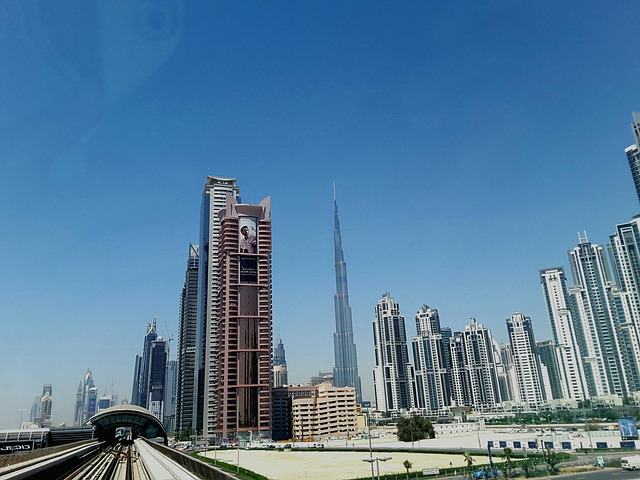
Get flights, hotels and a day-by-day plan across cities, made for you.
Start planningAI-written guide, last updated 2026-10-08. Check visa rules, prices and opening times before you go. Photos: nedrafols, ishitasharma1211 on Pixabay.