City Centre (Pentagon)
Best for: First-timersSteps away from the Grand-Place, major museums, and train hubs, making sightseeing effortless on foot.
See hotels in City Centre (Pentagon) →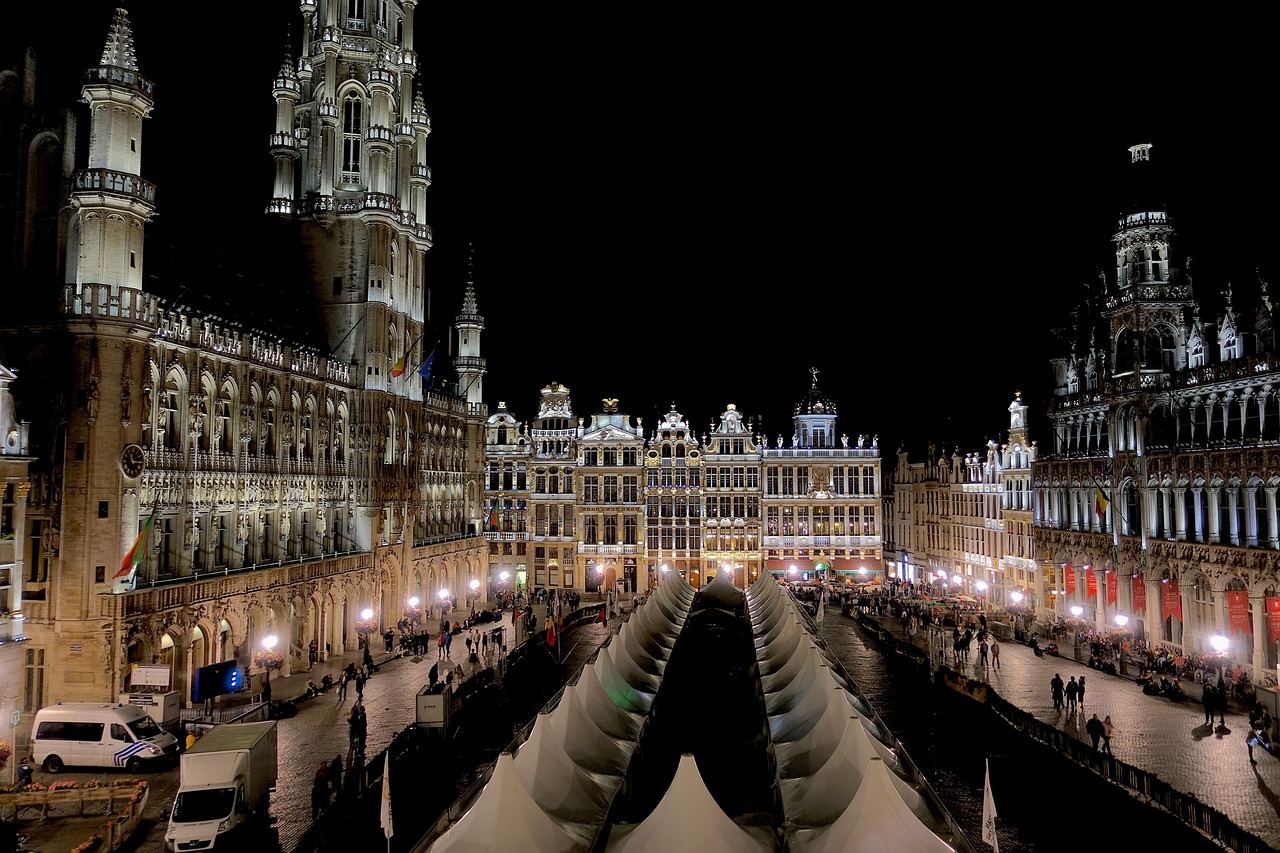
Belgium · Grand historic plazas, comic art, and Europe's finest chocolate and beer.
Brussels effortlessly blends historic grandeur with quirky surrealism and modern international diplomacy. Wander through ornate guildhalls, admire iconic Art Nouveau facades, and indulge in top-tier culinary delights. It is a fantastic destination for culture lovers, foodies, and weekend explorers alike.
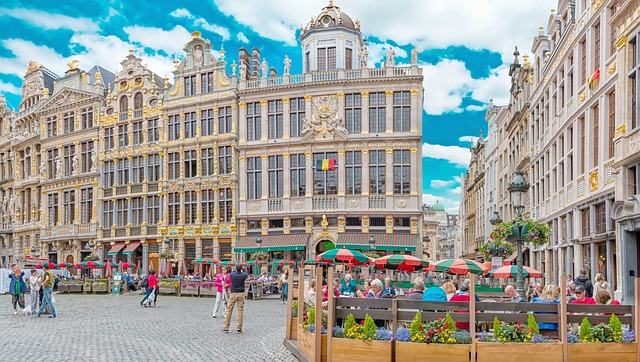
The best time to visit is from May to September when the weather is warm and pleasant for outdoor cafes. May and September offer milder temperatures and fewer crowds than the peak summer months.
Parks burst into bloom and city crowds remain manageable before summer surges.
Peak tourist season featuring open-air festivals, lively beer terraces, and higher hotel rates.
Foliage looks stunning in the Royal Parks, and museums offer shelter during rainy afternoons.
December draws crowds for the famous Winter Wonders Christmas market and light shows.
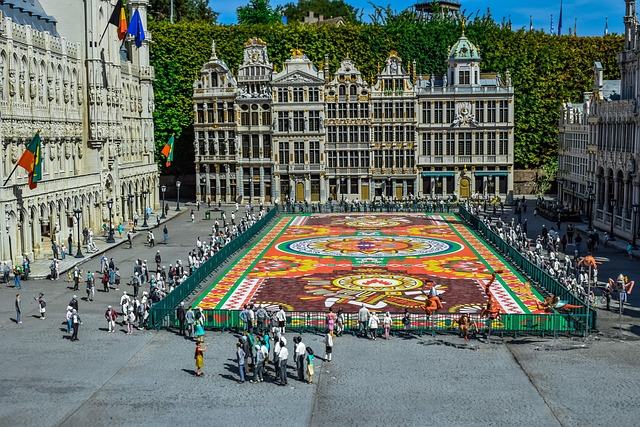
Marvel at the world-renowned central square bordered by opulent 17th-century guildhalls and the striking Gothic Town Hall.
Ascend this giant steel model of an iron crystal built for the 1958 World Expo for panoramic views of Brussels.
Discover centuries of European art across several museums, including collections dedicated to Old Masters and René Magritte.
Celebrate Belgium's famous comic culture with exhibits on Tintin, the Smurfs, and classic Franco-Belgian graphic novels.
Stroll around expansive gardens dominated by an impressive triumphal arch and multiple national museums.
Browse luxury boutiques, historic bookshops, and master chocolatiers inside this elegant 19th-century glass-roofed arcade.
Hunt for antique treasures and vintage curiosities at the daily open-air market on Place du Jeu de Balle.
Sample from an inventory of over two thousand bottled beers tucked away in a bustling historic alley.
Steps away from the Grand-Place, major museums, and train hubs, making sightseeing effortless on foot.
See hotels in City Centre (Pentagon) →An upscale, picturesque district known for art galleries, upscale chocolate shops, and charming cobblestone streets.
See hotels in Sablon →A vibrant, bohemian quarter packed with Art Nouveau townhouses, independent cafes, and lively weekend markets.
See hotels in Saint-Gilles →A modern district home to EU institutions, clean public squares, and tranquil parks like Parc Léopold.
See hotels in European Quarter →Save money by purchasing transport day passes and taking advantage of free museum entries on select Sundays.
Tell us where you fly from and we'll find real prices.
Try both the light, rectangular Brussels waffle and the denser, caramelized Liège waffle dusted with powdered sugar.
Fresh steamed mussels served in white wine and herbs accompanied by twice-fried crispy Belgian fries and mayonnaise.
A rich, slow-cooked beef stew made with dark Belgian beer, onions, thyme, and spiced mustard bread.
Sample monastery-brewed abbey beers or taste the distinct, tart complexity of spontaneously fermented Brussels lambics.
Bite-sized luxury chocolates filled with velvety ganache, hazelnut cream, or fruit, invented right in Brussels.
Brussels Airport connects directly to central stations via frequent 15-minute trains. Within the city, STIB operates an extensive metro, tram, and bus network that accepts contactless credit card payments for easy hop-on travel.
Two to three full days are ideal to explore the central highlights, art museums, and culinary scene. Extra days provide great opportunities for short train day trips to Bruges, Ghent, or Antwerp.
Yes, English is spoken fluently by most workers in shops, hotels, and restaurants due to the city's role as the international hub of the European Union. A friendly 'bonjour' or 'goedendag' is still polite and appreciated.
Brussels is generally very safe for visitors. Like in most European transport hubs, keep an eye on your belongings around major railway stations such as Bruxelles-Midi and in crowded tourist hotspots.
Contactless card payments are accepted almost everywhere from the metro to cafes. Carrying a small amount of cash is still helpful for minor flea market purchases or coin-operated restrooms.
The Brussels waffle is rectangular, light, and crispy with deep pockets, while the Liège waffle is oval, denser, and filled with melted pearls of sugar that caramelize when cooked.
Get real flight prices, hotels and a day-by-day plan made for you.
Start planningAI-written guide, last updated 2026-10-08. Check opening times, prices and travel rules before you go. Photos: Festvangelist, dimitrisvetsikas1969, Walkerssk on Pixabay.