City Centre South / Grafton Street
Best for: First-timersPuts you steps from major sights, top shopping, and picturesque parks like St. Stephen's Green.
See hotels in City Centre South / Grafton Street →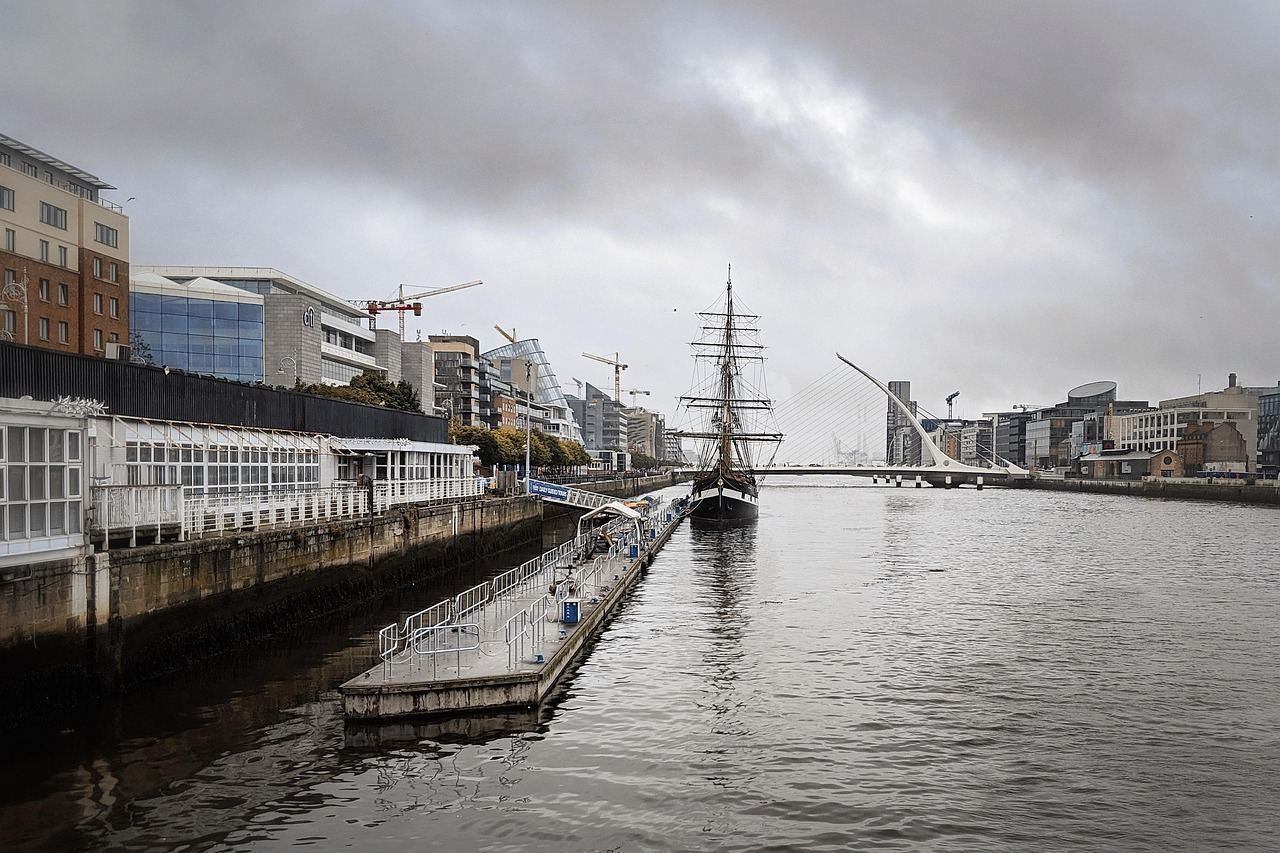
Ireland · Rich history, legendary pubs, and genuine Irish hospitality await you.
Dublin charms visitors with its deep literary heritage, vibrant music scene, and friendly pub culture. History lovers, music fans, and casual wanderers will all fall in love with its compact, walkable streets.
The best time to visit is between May and September when you will enjoy milder weather and longer daylight hours.
Moderate crowds outside St. Patrick's Day week, blooming city parks, and rising accommodation rates.
Peak tourist season with bustling streets, vibrant festivals, and premium lodging prices.
Fewer tourists, rich cultural events like the Dublin Theatre Festival, and lower hotel prices.
Quiet streets, festive holiday lights, cozy pub atmospheres, and the lowest rates of the year.
Explore seven floors dedicated to Ireland's famous stout and enjoy panoramic city views from the Gravity Bar.
Walk through historic cobblestone squares and admire the legendary illuminated manuscript in the Old Library.
Take a moving guided tour through this historic prison that played a major role in modern Irish history.
Stroll around this Victorian public park filled with duck ponds, sculptures, and lush flowerbeds.
Discover interactive exhibitions showcasing the global impact and stories of the Irish diaspora.
Wander lively cobblestone lanes filled with street buskers, vintage boutiques, art galleries, and historic pubs.
Rent a bike to explore one of Europe's largest enclosed city parks, home to wild fallow deer.
Experience authentic live Irish folk music in a beloved, unpretentious neighborhood pub in Smithfield.
Puts you steps from major sights, top shopping, and picturesque parks like St. Stephen's Green.
See hotels in City Centre South / Grafton Street →A trendy canal-side neighborhood packed with artisanal cafes, boutique eateries, and independent pubs.
See hotels in Portobello →A creative enclave north of the Liffey filled with craft cocktail spots, traditional pubs, and indie cinemas.
See hotels in Smithfield and Stoneybatter →An upscale, leafy residential district with grand Victorian architecture, fine dining, and peaceful streets.
See hotels in Ballsbridge →Save money by purchasing a visitor Leap Card for unlimited public transit across buses, trams, and trains.
Tell us where you fly from and we'll find real prices.
A comforting, slow-cooked dish made with tender lamb or beef, potatoes, carrots, and savory herbs.
A hearty local specialty layered with sausages, bacon rashers, sliced potatoes, and onions.
A traditional Irish potato pancake often served rolled with savory fillings or alongside breakfast.
Dense, crusty bread made with buttermilk and bicarbonate of soda, served warm with rich Irish butter.
The quintessential Dublin dry stout, known worldwide for its creamy head and rich roasted malt profile.
Dublin Airport connects directly to the city center via regular express coaches and public buses. Within town, you can easily walk or use the Luas light rail, Dublin Bus network, and DART coastal train with a reloadable Leap Card.
Most places including pubs, cafes, and taxis accept contactless card payments. Having a small amount of euros in cash is helpful for markets or smaller purchases.
Three days is ideal to experience the city's highlights, museums, and pubs. An extra day lets you easily take a coastal day trip to places like Howth or Bray.
Dublin is generally very safe and welcoming for solo travelers of all backgrounds. Standard city awareness is recommended late at night around busy nightlife areas.
Yes, tap water in Dublin is clean, thoroughly tested, and perfectly safe to drink. Bring a reusable water bottle to refill during your day.
Temple Bar is worth walking through for its lively atmosphere, street performers, and photo opportunities. However, head to surrounding neighborhoods for better food and more reasonably priced drinks.
AI-written guide, last updated 2026-10-08. Check opening times, prices and travel rules before you go. Photos: 14062968, ClickerHappy on Pixabay.