Habana Vieja
Best for: First-timers & History LoversThe historic heart of the city, placing you steps away from top colonial plazas, museums, and street performances.
See hotels in Habana Vieja →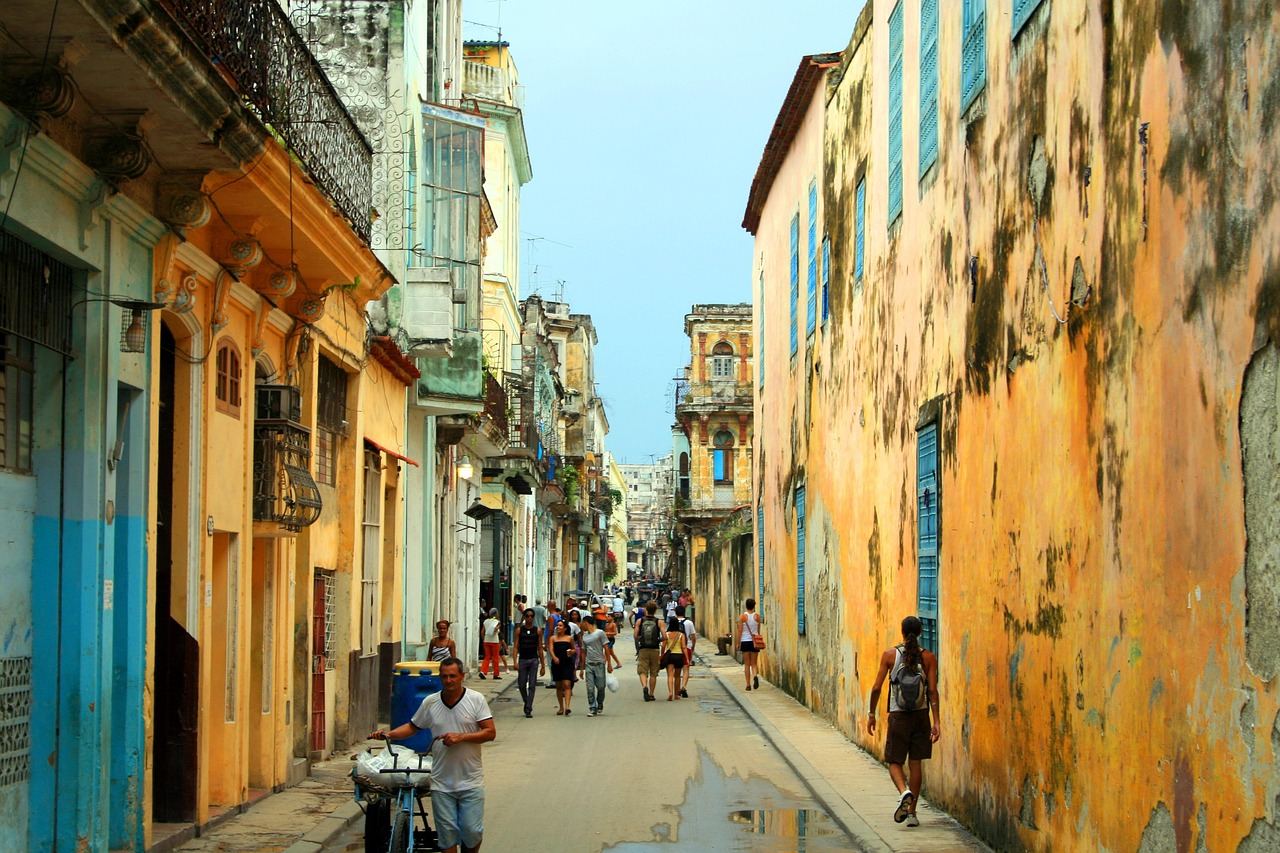
Cuba · Timeless Caribbean rhythm, vintage pastel charm, and vibrant living history.
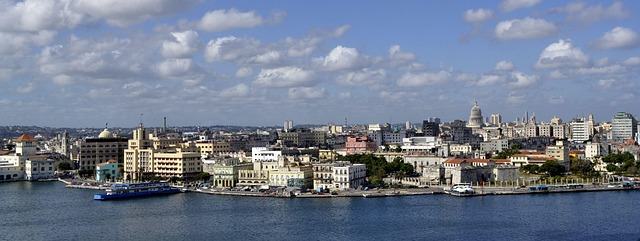
Havana captivates visitors with its striking colonial architecture, lively street music, and rich cultural resilience. It is an unforgettable destination for history enthusiasts, photographers, and curious adventurers eager to experience a city unlike any other.
The ideal time to visit is from December to April, when the weather is comfortably dry, sunny, and warm without excessive humidity.
Peak tourist season with higher lodging demand and lively cultural festivals.
Excellent sightseeing weather with moderate crowds before the summer heat sets in.
Low international tourist season, frequent afternoon rains, and energetic local beach crowds.
Official hurricane season with occasional tropical storms, offering lower accommodation rates.
Stroll through the cobblestone streets and admire the four historic plazas, including Plaza Vieja and Plaza de la Catedral.
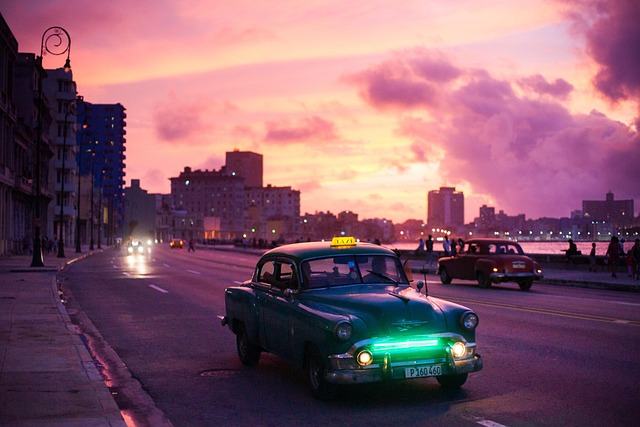
Walk along this iconic seaside boulevard where locals gather at sunset to socialize, fish, and listen to music.
Marvel at the grandeur of Cuba's neoclassical National Capitol building, which has been meticulously restored.
Experience an eclectic cultural hub set inside an old cooking oil factory, featuring live music, contemporary art, and cocktail bars.
Explore the historic sixteenth-century fortress guarding Havana Harbor and enjoy sweeping panoramic views across the bay.
Discover centuries of Cuban artistic mastery ranging from colonial religious art to striking post-revolution modernism.
Ride along coastal avenues and grand boulevards in a colorful, meticulously maintained 1950s American automobile.
Immerse yourself in Afro-Cuban culture through vivid street murals, sculptures made of recycled materials, and rumba rhythms.
The historic heart of the city, placing you steps away from top colonial plazas, museums, and street performances.
See hotels in Habana Vieja →A greener, mid-century residential neighborhood full of mansions, trendy private restaurants, and lively jazz clubs.
See hotels in Vedado →An upscale diplomatic district known for wide tree-lined avenues, luxurious casas particulares, and peaceful oceanfront breezes.
See hotels in Miramar →A bustling, high-energy district bridging Old Havana and Vedado, offering authentic street life and affordable guesthouses.
See hotels in Centro Habana →Bring crisp euros or US dollars in cash, as international cards are rarely accepted and local cash transactions are the norm.
Tell us where you fly from and we'll find real prices.
Cuba's quintessential dish of tender shredded beef slow-cooked in a fragrant tomato, bell pepper, and onion sauce.
Classic Cuban seasoned black beans and white rice cooked together with garlic, cumin, and oregano.
Crispy twice-fried green plantain rounds served warm with garlic dipping sauce or sea salt.
A world-famous refreshing cocktail crafted with Cuban white rum, fresh spearmint, lime juice, sugar, and club soda.
A crisp, shaken or blended cocktail made simply of rum, fresh lime juice, and cane sugar syrup.
From José Martí International Airport, take an official airport taxi or arrange an advance transfer to reach central Havana in about thirty minutes. Within the city, get around easily by walking the historic center, hailing yellow or vintage taxis, or riding classic bicitaxis for short distances.
Most travelers require a Tourist Card (Visa de Turista) before boarding their flight, which can be purchased through airlines or specialized agencies. US citizens must also travel under an authorized general travel category such as 'Support for the Cuban People'.
Cards issued by US banks do not work at all, and other foreign cards face frequent machine outages. Travelers must plan to pay primarily in physical cash, preferably euros or US dollars, across daily transactions.
Havana is generally one of the safest capital cities in the Caribbean with very low rates of violent crime. Visitors should simply practice standard big-city caution regarding petty pickpocketing and street hustlers.
Tap water is not safe for drinking, so always consume bottled, boiled, or purified water. Most private guesthouses and restaurants provide filtered water and use purified ice for drinks.
Connectivity has improved substantially via mobile 4G networks and hotel Wi-Fi, though speeds can still be intermittent. Buying a tourist SIM at the airport or using a roaming eSIM ensures the smoothest access during your stay.
AI-written guide, last updated 2026-10-08. Check opening times, prices and travel rules before you go. Photos: ansalmo_juvaga, Alexrojaspelegrin, flunkey0 on Pixabay.