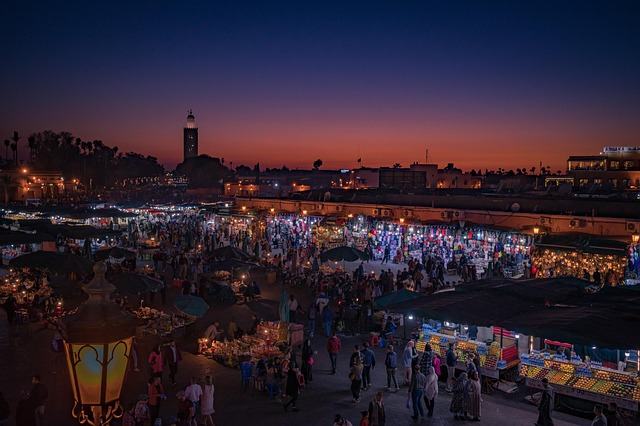
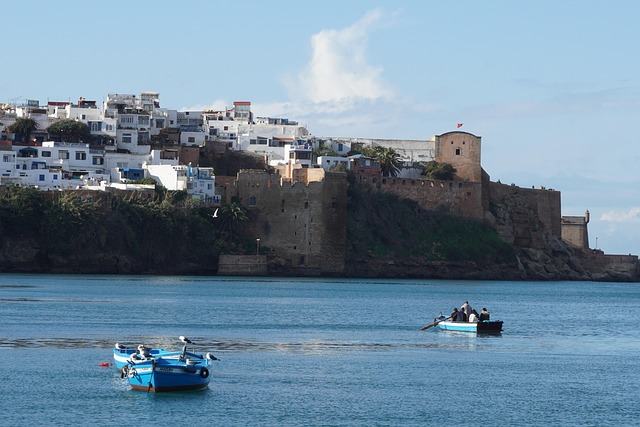
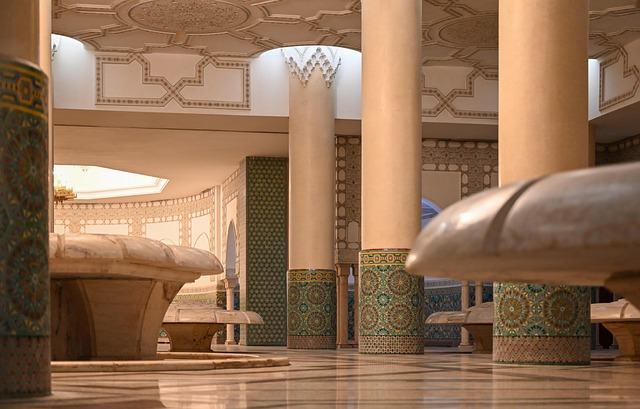
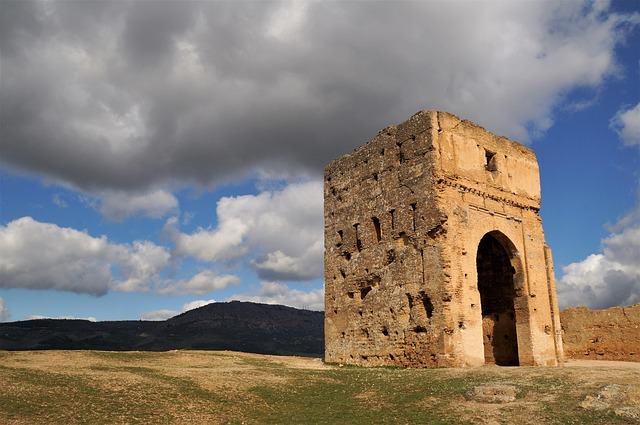
Medina of Tunis
Best for: First-timers & Culture LoversStay in restored traditional guesthouses (dars) to soak up historic architecture and central access to souks.
See hotels in Medina of Tunis →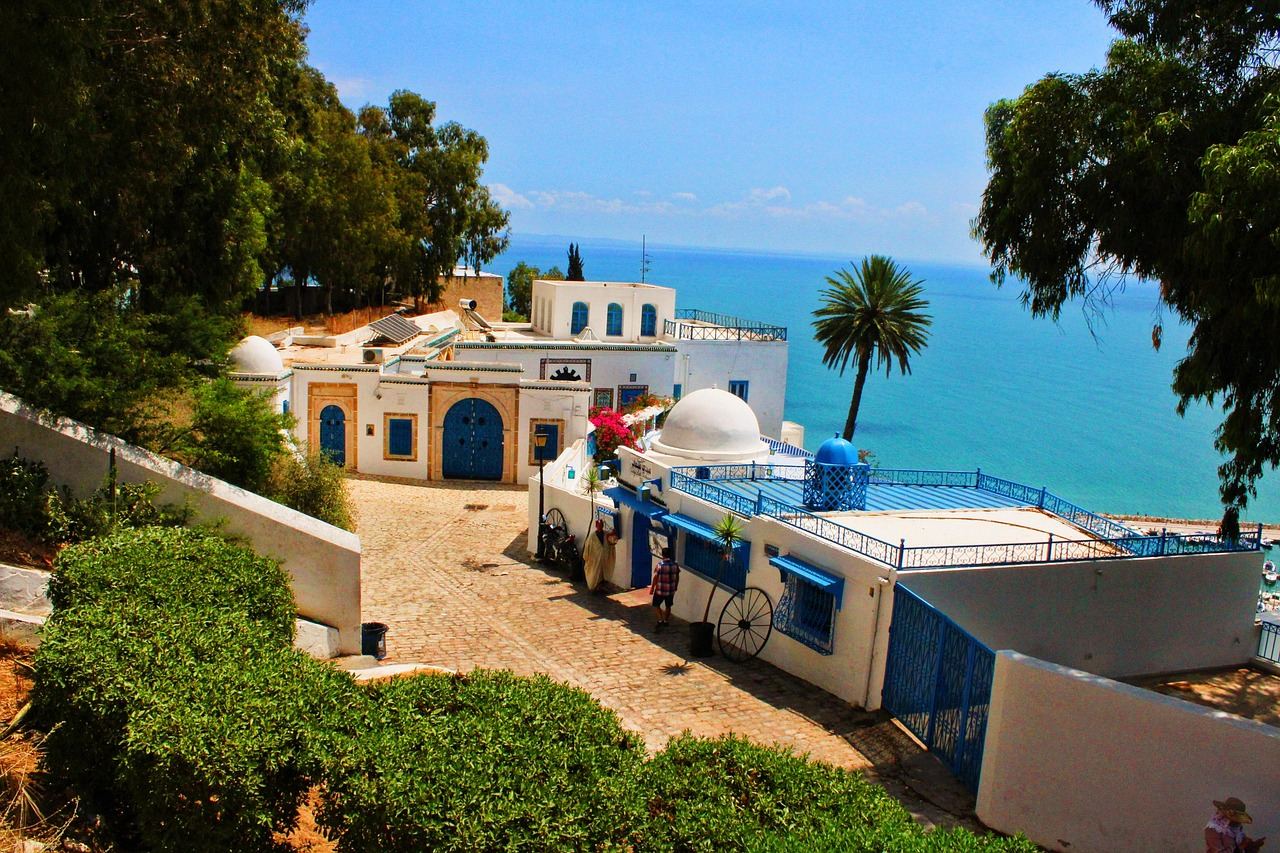
Tunisia · Ancient empires, lively medinas, and Mediterranean charm in North Africa.
Tunis seamlessly bridges millennia of Mediterranean history, combining world-class Roman archaeology with a vibrant Arabic medina and relaxed seaside towns. It is a fantastic destination for culture enthusiasts, curious foodies, and travelers who appreciate authentic, unhurried discoveries.
The best time to visit is from March to May and September to November, when days are pleasantly warm and great for sightseeing.
Flowering jasmine, comfortable temperatures for walking, and moderate crowds.
Peak season for coastal suburbs, busy beaches, and intense midday heat in the medina.
Warm sea water, harvest festivals, and thinner tourist crowds across ancient sites.
Low season offering the best hotel rates and quiet, uncrowded museums.
Wander through the UNESCO-listed network of narrow alleys, historic palaces, and lively traditional souks.
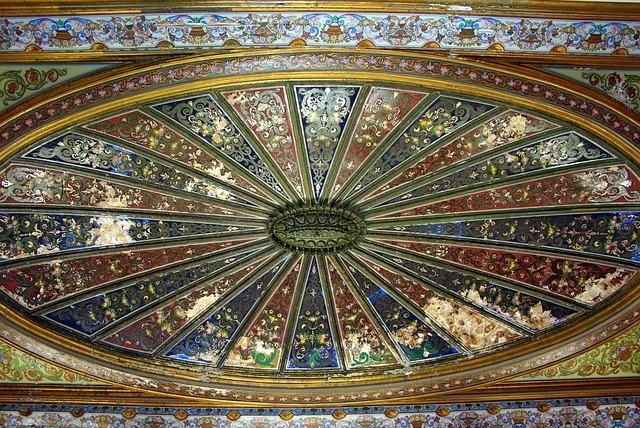
Marvel at one of the finest collections of Roman mosaics in the world, housed inside a grand Beylical palace.
Walk among the legendary ancient remains of the Phoenician and Roman empires perched over the Mediterranean.
Explore the iconic cliffside village famed for its whitewashed walls, bright blue doors, and sweeping sea vistas.
Admire the architecture and towering minaret of the oldest and most revered mosque in the heart of the medina.
Browse traditional perfume oils, jasmine essence, and fragrant spices in this centuries-old covered market street.
Explore the colossal stone remnants of one of the largest bath complexes built during the Roman Empire.
Stroll down the seaside strip and feast on freshly grilled fish straight off local fishing boats.
Stay in restored traditional guesthouses (dars) to soak up historic architecture and central access to souks.
See hotels in Medina of Tunis →A picturesque clifftop haven offering quiet evenings, boutique hotels, and panoramic sea views away from city traffic.
See hotels in Sidi Bou Said →A relaxed coastal district packed with trendy cafes, seaside promenades, and contemporary dining options.
See hotels in La Marsa →A modern lakeside neighborhood near the airport filled with upscale international hotels and serene walkways.
See hotels in Les Berges du Lac →Tunisian Dinars are a closed currency, so withdraw cash on arrival and keep smaller notes for cabs and medina vendors.
Tell us where you fly from and we'll find real prices.
A crispy, deep-fried pastry pocket filled with a runny egg, tuna, parsley, and capers.
Steamed semolina topped with fresh coastal fish, spiced vegetables, and a fiery harissa broth.
A comforting chickpea soup spiced with cumin, garlic, olive oil, harissa, and torn pieces of crusty bread.
A fluffy, golden ring doughnut fried fresh and served warm with a generous coating of sugar.
Sweet, fragrant green tea served piping hot and crowned with toasted floating pine nuts.
From Tunis-Carthage Airport, take an official yellow taxi or arrange a hotel pickup, as there is no direct train link. Inside the city, yellow metered taxis are cheap and plentiful, while the vintage TGM light rail conveniently connects downtown to Carthage, Sidi Bou Said, and La Marsa.
Tunis is generally a safe and welcoming destination for travelers. Standard vigilance is recommended against pickpocketing in crowded markets, and it is best to use registered taxis after dark.
While treated, tap water can cause mild stomach upset for visitors due to different mineral contents. It is widely recommended to stick to bottled or filtered water.
Three to four days is an ideal amount of time. This lets you thoroughly experience the medina, visit the Bardo Museum, and spend a full day exploring Carthage and Sidi Bou Said.
Tunisian Arabic (Derja) is the native language, while French is universally used in restaurants, hotels, and transport. Basic English is also spoken in tourist hotspots.
Tunis is fairly cosmopolitan, especially in coastal suburbs like La Marsa. However, modest attire covering shoulders and knees is appreciated in residential quarters and inside the traditional medina.
AI-written guide, last updated 2026-10-08. Check opening times, prices and travel rules before you go. Photos: filipstraznicky, jorono, DEZALB on Pixabay.