Chefchaouen Medina
Chefchaouen, Morocco · Neighborhood
About Chefchaouen Medina
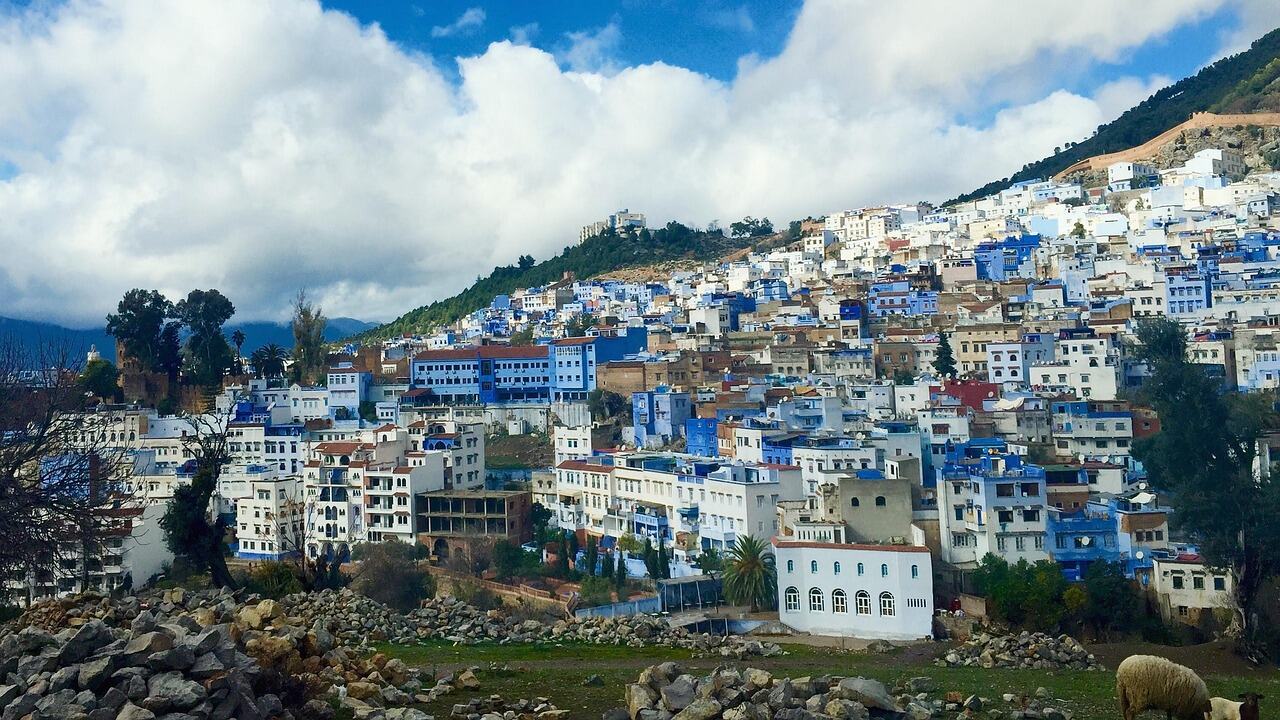
Chefchaouen Medina is a historic, mountain-hugging old town in northern Morocco known worldwide as the Blue Pearl. Founded in 1471, the medina is celebrated for its striking wash of powder-blue buildings, ornate Andalusian-style doorways, and peaceful mountain ambiance. Visitors from across the globe flock here to photograph its enchanting lanes and experience its relaxed Moroccan culture.
Don't miss
- Explore the lively Plaza Uta el-Hammam, the main public square framed by vibrant cafes, shady trees, and the red-walled Kasbah fortress.
- Hike up to the Spanish Mosque perched on a nearby hilltop for breathtaking panoramic sunset views over the blue town.
- Visit Ras El Maa, a fresh mountain spring on the eastern edge of the medina where locals gather along the babbling stream.
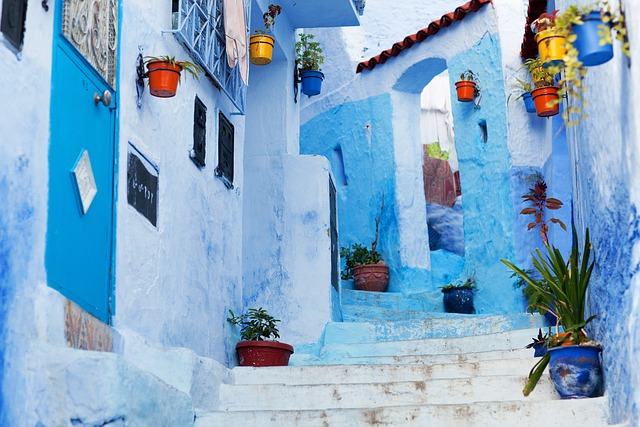
- Wander through Calle Sidi Bouchouka to marvel at picturesque blue stone staircases lined with colorful flower pots.
Plan your visit
Spring and autumn offer mild, comfortable weather ideal for climbing the steep lanes. Early mornings before 9:00 AM are the quietest time to take photos without crowds.
Entering and wandering through the medina is completely free. Small admission fees only apply to specific attractions inside, such as the Kasbah Museum, which can be purchased on arrival.
The medina is the historic core of Chefchaouen and is entirely car-free. If arriving at the main bus terminal in the lower town, take a short petit taxi ride or walk uphill for about 15 minutes to reach the medina gates.
Tips for visiting
- Wear sturdy walking shoes with good grip, as the polished cobblestones and staircases can be quite slippery.
- Always ask for polite permission before photographing local residents or their doorsteps.
- Carry plenty of cash in Moroccan dirhams since most small artisan stalls and cafes do not take cards.
- Embrace getting lost in the labyrinth of blue alleys, knowing that walking downhill will always guide you back to the main gates.
- Dress modestly out of respect for local customs, keeping shoulders and knees covered when exploring residential quarters.
Chefchaouen Medina FAQ
Why is Chefchaouen painted blue?
One popular theory is that Jewish refugees painted the buildings blue in the 1930s to mirror the sky and symbolize heaven. Other local explanations suggest that the blue color repels mosquitoes and keeps homes cooler in the summer heat. Today, residents continue the tradition to preserve their unique heritage and welcome visitors.
Is Chefchaouen Medina safe for solo travelers?
Yes, it is considered one of the safest and most laid-back travel destinations in Morocco. Street harassment and aggressive sales tactics are far less common here than in major cities like Marrakech or Fez. Standard travel precautions such as keeping an eye on your belongings are still recommended.
Can I visit the medina on a day trip from Tangier?
Yes, many travelers take day tours or private taxis from Tangier, which takes about two hours each way. However, staying overnight allows you to experience the medina at dusk and dawn when the day-tripper crowds have cleared. It also gives you ample time to hike to the Spanish Mosque without rushing.
Are vehicles allowed inside the medina?
No, the medina is completely pedestrianized due to its steep stone stairways and narrow alleys. You must leave rental cars or taxis at designated parking areas outside the ancient city walls and walk in with your luggage.
More things to do in Chefchaouen
Spanish Mosque Landmark
Hike up the hillside trail in the late afternoon to catch panoramic sunset views over the entire blue city.
The Kasbah Museum Museum
Explore this restored 15th-century fortress in the central square, featuring lush gardens, prison cells, and regional artifacts.
Ras El Maa Waterfall Nature
Relax by the cool mountain spring where locals gather to wash laundry and chat along the shaded riverbanks.
Plaza Uta El-Hammam Landmark
People-watch from an open-air cafe in the vibrant main square while sipping hot mint tea.
Talassemtane National Park Nature
Take a guided day trip into the rugged Rif peaks to hike to the natural stone arch known as God's Bridge.
Rue Bab Souk Shopping
Browse woven wool blankets, hand-painted ceramics, and leather babouche slippers along this artisan market street.
Traditional Moroccan Hammam Activity
Unwind with a steamy exfoliation scrub and massage using eucalyptus black soap and argan oil.
AI-written guide, last updated 2026-10-09. Check opening times and ticket prices on the official website before you go. Photos: eyw2008, hnhiri on Pixabay.