Old Medina
Best for: First-timers and PhotographersStay inside the historic core to wake up steps away from the iconic blue lanes and lively cafes.
See hotels in Old Medina →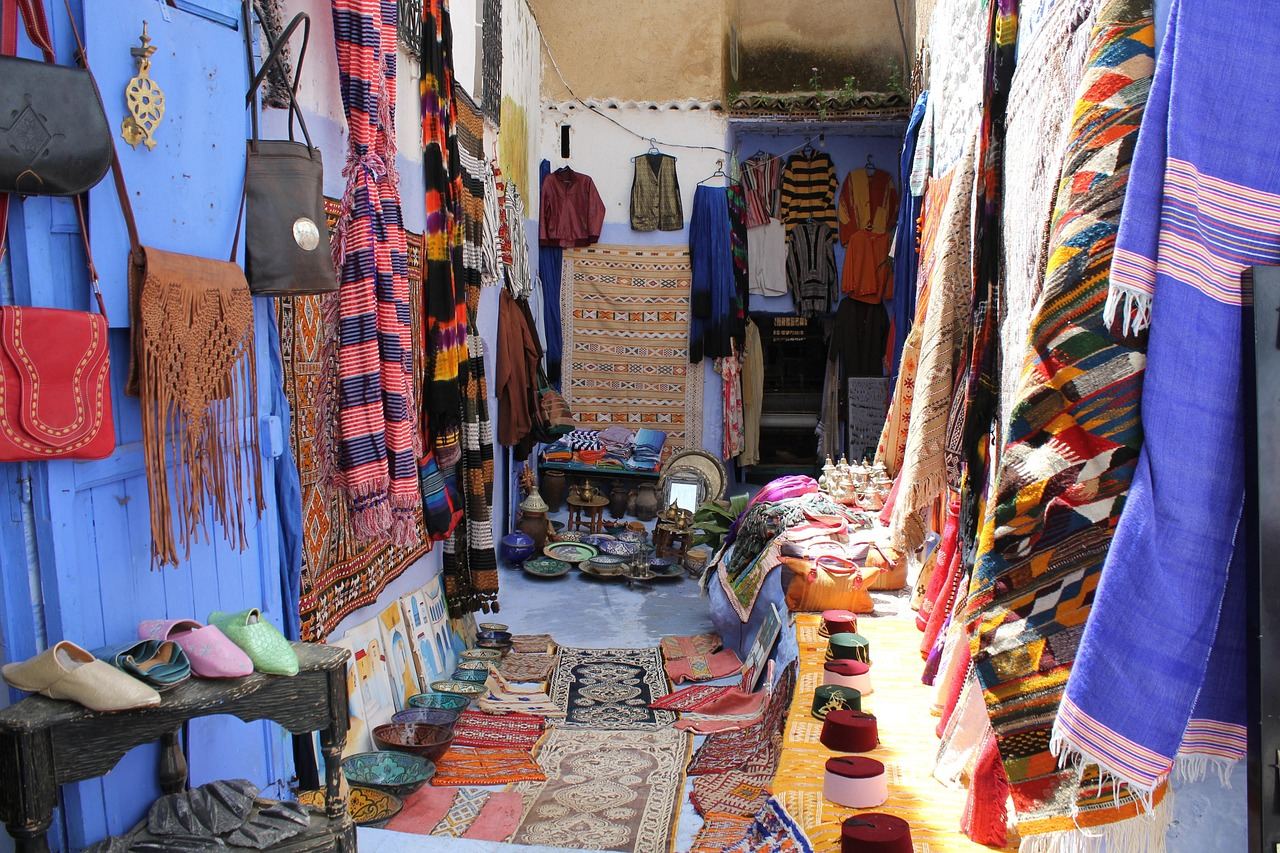
Morocco · Morocco's enchanting Blue Pearl tucked beneath the Rif Mountains.
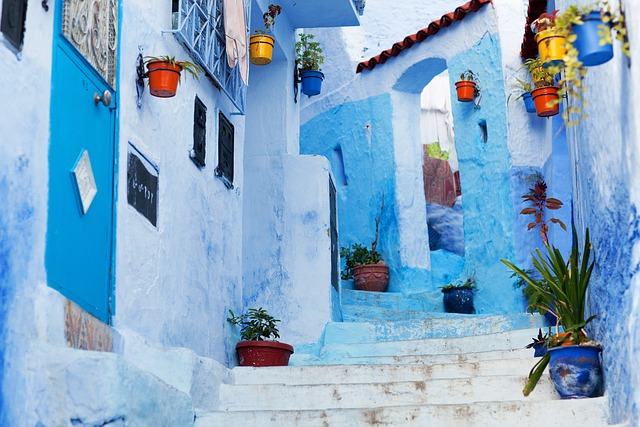
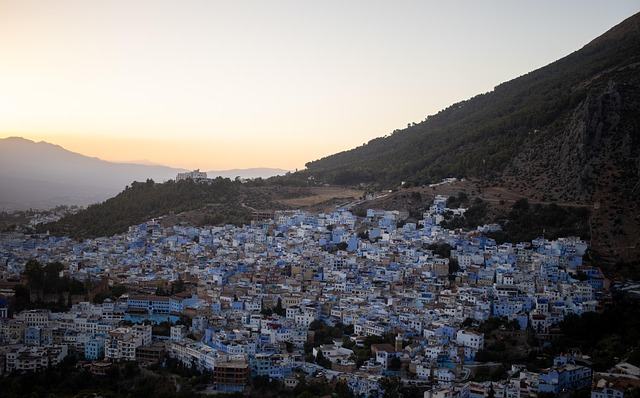
Chefchaouen is famed for its dreamy, blue-washed buildings and peaceful mountain rhythm. Its striking blend of Andalusian and Berber heritage creates a laid-back sanctuary unlike anywhere else in Morocco. It is the perfect escape for photographers, hikers, and travelers seeking relaxed charm.
The best months to visit are April to June and September to October, when the weather is warm and pleasant for exploring and hiking.
Lush green landscapes and wildflowers, moderate tourist numbers, and ideal hiking conditions.
Hot midday sun prompts early exploration; streets get lively after sunset and room rates peak.
Comfortable mountain temperatures, thinning crowds, and great lighting for photography.
Quiet streets, discounted riads, and chilly mountain nights that call for a fireplace.
Wander through the maze of cobalt-blue alleyways, ornate doorways, and flower-decked stone staircases.
Hike up the hillside trail in the late afternoon to catch panoramic sunset views over the entire blue city.
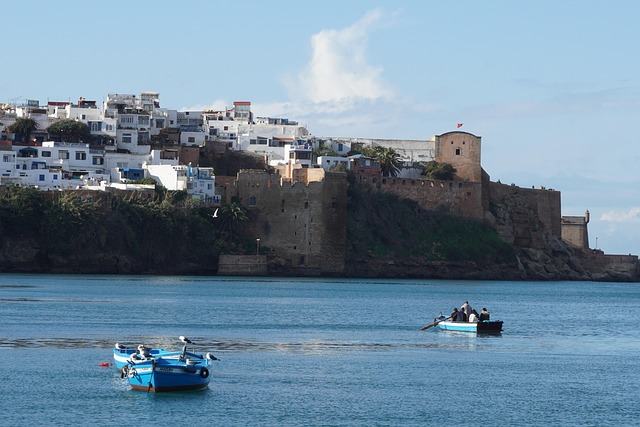
Explore this restored 15th-century fortress in the central square, featuring lush gardens, prison cells, and regional artifacts.
Relax by the cool mountain spring where locals gather to wash laundry and chat along the shaded riverbanks.
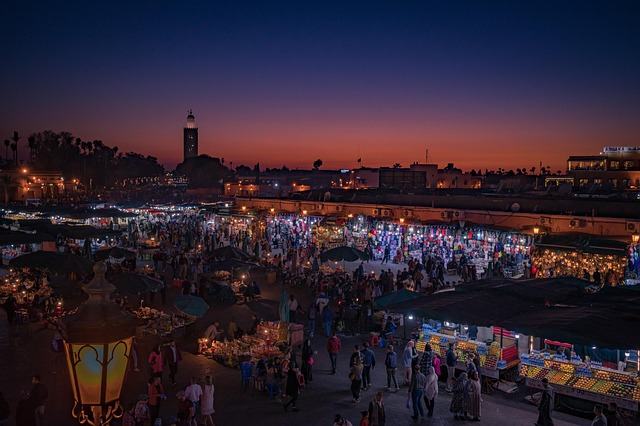
People-watch from an open-air cafe in the vibrant main square while sipping hot mint tea.
Take a guided day trip into the rugged Rif peaks to hike to the natural stone arch known as God's Bridge.
Browse woven wool blankets, hand-painted ceramics, and leather babouche slippers along this artisan market street.
Unwind with a steamy exfoliation scrub and massage using eucalyptus black soap and argan oil.
Stay inside the historic core to wake up steps away from the iconic blue lanes and lively cafes.
See hotels in Old Medina →One of the oldest residential quarters in the medina, offering quiet guesthouses and pocket-friendly riads.
See hotels in Souika District →Perched at the eastern edge of the medina, providing peaceful hillside views and easy trail access.
See hotels in Ras El Maa Area →The modern town below the medina offers modern hotels, road access for taxis, and easy parking.
See hotels in Nouvelle Ville →Always carry Moroccan dirhams in cash, as card machines are rare in small medina shops and cafes.
Tell us where you fly from and we'll find real prices.
Fresh, tangy local goat cheese traditionally served with warm bread, local honey, or fresh figs.
A rich, steaming fava bean soup seasoned with cumin, paprika, and a generous splash of local olive oil.
Slow-cooked tender beef or lamb paired with caramelized prunes, toasted almonds, and aromatic spices.
Sweet green tea brewed with fresh spearmint leaves, poured high into glasses to create a frothy top.
A flaky, pan-fried layered flatbread served warm for breakfast alongside butter, jam, or soft cheese.
Chefchaouen has no commercial airport, so most visitors fly into Tangier or Tetouan and take a CTM bus, shared grand taxi, or private transfer. The medina is entirely pedestrianized and steep, meaning you must travel on foot. Small blue petit taxis are cheap and plentiful for trips between the bus station and medina gates.
Most travelers fly into Tangier Ibn Battouta Airport and take a two-hour taxi or three-hour bus ride into the mountains. Buses also connect regularly from Fes in about four hours.
Two full days is plenty of time to explore the medina, hike to the Spanish Mosque, and take a trip to nearby Akchour. Add an extra day if you prefer slow travel or long mountain hikes.
Locals share different reasons: Jewish refugees in the 1930s painted them blue to mirror the sky and heaven, while others say it deters mosquitoes or keeps homes cool in summer.
Yes, it is widely considered one of the safest and most relaxed destinations in Morocco. Standard precautions apply, but violent crime is very rare and harassment is minimal compared to larger cities.
Most small shops, guesthouses, and restaurants operate purely in cash. You will find several bank ATMs near the main medina gates to withdraw Moroccan Dirhams.
Get real flight prices, hotels and a day-by-day plan made for you.
Start planningAI-written guide, last updated 2026-10-08. Check opening times, prices and travel rules before you go. Photos: hnhiri, motamid2006, YakupIpek on Pixabay.