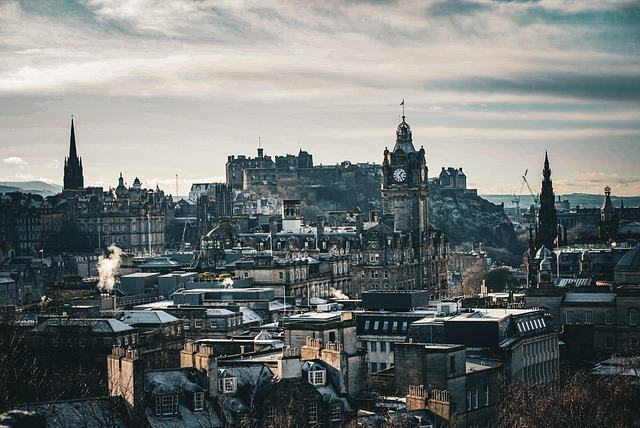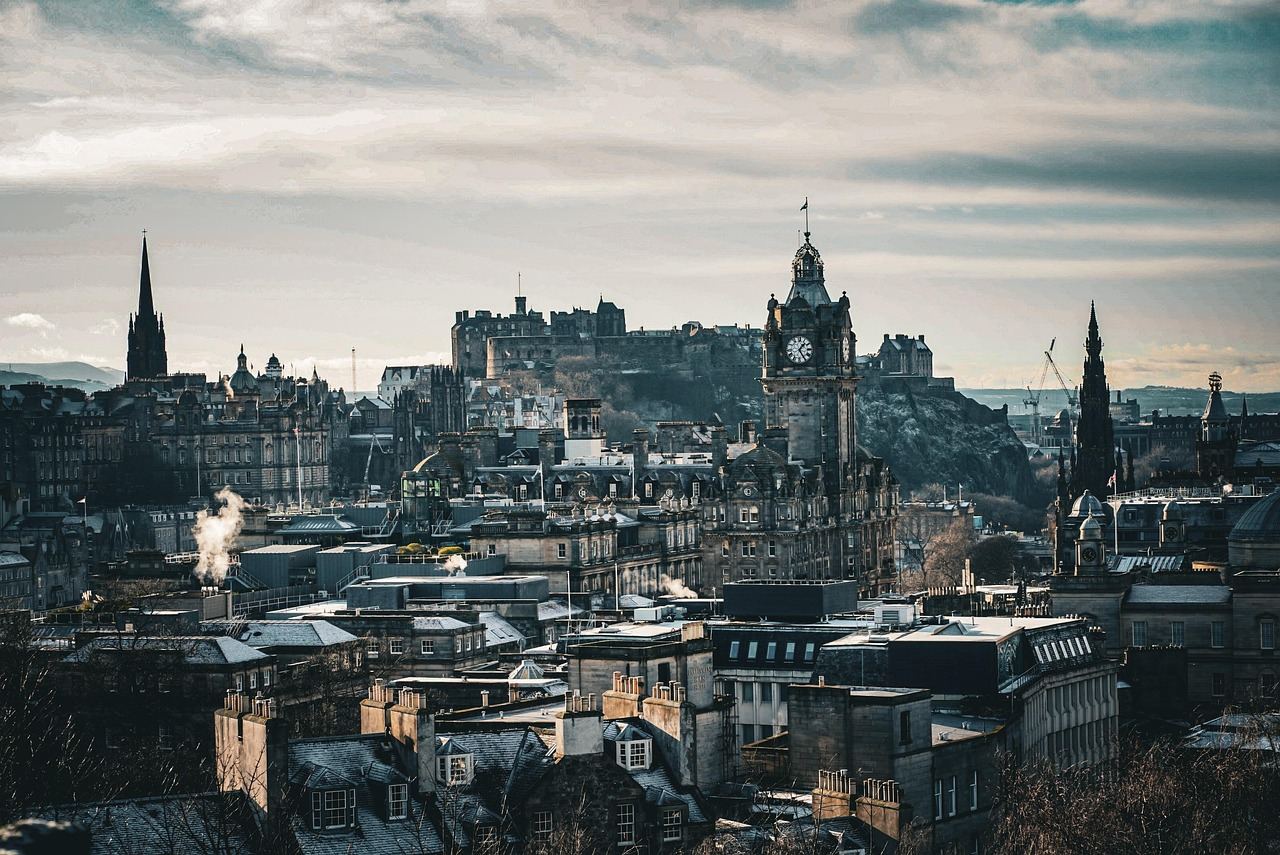
The best time to visit Scotland, for most first trips, is May, June or September. Days are long, Edinburgh's average highs sit in the high 50s to 60s °F (about 15-17°C), and May and September are quieter than July and August. Summer brings the longest evenings and the August festivals but also peak crowds and midges in the Highlands. Winter is short on daylight but rich in Hogmanay atmosphere. Below you'll find what each month is like, which dates to plan around, and how to match the timing to your route. When you have your dates, Ask TripPilot's planner can build the day-by-day plan.
The Quick Answer: Aim for May, June or September
If you only remember one thing, make it this: book for late spring or early fall. May, June and September give you long days for driving the Highlands, mild temperatures for walking the cities, and fewer people than the summer school holidays.
July and August are the busiest months, especially on the Isle of Skye and in Edinburgh during the festivals. They suit you if you want the longest evenings and the full events calendar, and you're happy to book everything early.
October, November and the early spring months are quieter and often cheaper, but the days are shorter and some sites cut their hours. Rain is possible in every month, so a waterproof jacket belongs in your bag whatever the season.
- Best overall: May, June and September.
- Best for long evenings and events: July and August, if you book early.
- Best for fewer crowds: late April to May and September to October.
- Best for festive atmosphere: late December, for Hogmanay.
Scotland Month by Month
Scotland's seasons are mild compared with much of the US, but they swing a lot in daylight. Here's how the year breaks down, using Edinburgh's long-term averages as a guide. The west coast and the Highlands are usually wetter and windier than the capital.
- January and February: the coldest stretch, with Edinburgh highs around 45°F (7°C), short days, snow on the mountains and the quietest sights.
- March and April: longer days return and crowds stay light; April is Edinburgh's driest month on average, though nights can still be cold.
- May and June: the sweet spot, with highs of about 59°F (15°C) in May and 63°F (17°C) in June and very long evenings.
- July and August: the warmest months, at around 66-67°F (19°C), plus school holidays, the Fringe and peak midges in the Highlands.
- September and October: September is mild at about 62°F (17°C) and calmer after August; October cools to about 56°F (13°C) and is Edinburgh's wettest month.
- November and December: highs drop to around 45°F (7°C) by December, days are at their shortest, and the year ends with Christmas markets and Hogmanay.
Weather and Rain: What the Averages Say
The Met Office's long-term averages for Edinburgh, measured at the Royal Botanic Garden, give a realistic picture of the capital. July is the warmest month, with an average high of about 67°F (19°C), and January is the coldest, at about 45°F (7°C).
Rain is spread across the year rather than packed into one season. In Edinburgh, April is the driest month at about 1.6 inches (41 mm), and October is the wettest at about 3 inches (76 mm). Even July averages more than 11 days with measurable rain, so plan indoor backups for every trip.
Edinburgh sits on the drier east side of the country. If your route heads west to Glencoe and Skye, expect more rain and more changeable days, and build a little slack into the schedule for low cloud on the hill walks.
- Warmest month in Edinburgh: July, about 67°F (19°C).
- Coldest: January and December, about 45°F (7°C).
- Driest: April. Wettest: October.
- Pack layers and a waterproof jacket in every season.
Midges, Daylight and Summer in the Highlands
Summer's long days are the big draw for a Highland road trip. In June you can sightsee well into the evening, which makes the long drives to Glencoe and Skye far easier than in winter, when daylight runs out in the afternoon.
The trade-off in the countryside is the Highland midge. VisitScotland's guide to midges and ticks says midges are active from May to October, with peak activity in the middle of summer. They bite most around dawn and dusk and on calm, damp or overcast days, and they don't carry disease, but they can ruin a picnic or an evening walk.
Midges are much less of a problem in Edinburgh and the other cities. If you're spending time in the glens or on Skye in July and August, a midge repellent, long sleeves and a head net for still evenings make a real difference. A breeze keeps them away, so exposed viewpoints are usually better than sheltered lochsides.
- Midge season: May to October, worst in midsummer.
- Worst times: dawn, dusk and still, damp days.
- Fewer midges: late April to early May and late September.
August in Edinburgh: Festival Season
August turns Edinburgh into one of the busiest cities in Europe. According to the Edinburgh Festival Fringe, the Fringe's 80th edition runs from August 6 to 30, 2027, with performances in venues across the city and street acts along the Royal Mile.
The festival month is a fantastic time to be in town if you love theater, comedy and music, but it changes how you plan. Hotels fill up and prices climb, restaurants get busy, and timed tickets for the main sights sell out faster. Book your accommodation as soon as your dates are set, ideally many months ahead, and reserve Edinburgh Castle and other ticketed stops before you fly.
If you want Edinburgh without the festival crowds, come in June or September instead. Our Edinburgh travel guide covers neighborhoods and sights for any month.
- Fringe 2027: August 6 to 30.
- Book August hotels in Edinburgh as early as possible.
- Expect higher room rates and busy streets all month.
Holidays, Hogmanay and Winter Closures
Scotland's bank holidays differ a little from England's. The Scottish Government's public and bank holidays page lists both January 1 and January 2 as bank holidays, along with St Andrew's Day on November 30 and a summer bank holiday on the first Monday in August (August 3 in 2026). Local councils can also set their own public holidays, so long weekends shift from town to town.
Hogmanay, New Year's Eve, is Scotland's big winter celebration, and Edinburgh's street party draws crowds from around the world. Combined with the two January bank holidays, the days around New Year are busy and some businesses close, so book rooms early and check opening days for anything you plan to see.
Winter also brings shorter hours at many castles and abbeys. Historic Environment Scotland posts weather and maintenance closures on its check for closures page, and it notes that working churches such as Glasgow Cathedral can vary their hours for services and events. As our itinerary notes, Urquhart Castle's last entry moves earlier from October to March, so check each site's hours before an off-season trip.
- Busy holiday periods: Christmas to January 2 and the August festival weeks.
- Check site hours from October to March, when many close earlier.
- Look up closures before you set out, especially after storms.
The Best Time to Visit Scotland by Goal
The right month depends on what you want most from the trip. Use this as a shortcut, then check the month-by-month notes above for the details.
- Best weather: June to August are warmest, but May and June combine mild days with less rain in Edinburgh.
- Fewer crowds: late April to May and September to October, before and after the summer rush.
- Lower prices: November and January to March, outside the Christmas and New Year holidays.
- Highland road trips and hiking: May, June and September, for long days and fewer midges than midsummer.
- Festivals and nightlife: August for the Fringe, late December for Hogmanay.
- Cozy city breaks: winter in Edinburgh, with quiet museums and short, crisp days.
Crowds, Prices and When to Book
Prices in Scotland follow the crowds. Rooms cost the most in Edinburgh in August and around New Year, and on Skye throughout July and August, when the island's limited accommodation fills months ahead. Edinburgh also charges a 5% visitor levy on paid overnight stays booked from July 24, 2026, so factor that into a city budget.
The cheapest stretches are usually November and January to March, outside the holidays. You'll trade daylight and some reduced opening hours for easier bookings and quieter sights. For flight and hotel offers, check our travel deals, and look at our travel alerts before you go for strikes, storms or other disruption.
For a May, June or September trip, aim to book rooms and rental cars two to three months ahead. For August in Edinburgh or summer on Skye, start much earlier.
- Most expensive: August in Edinburgh, New Year, and summer on Skye.
- Cheapest: November and January to March, outside holidays.
- Request an automatic rental car early if you need one.
How to Plan Your Scotland Trip Around the Seasons
Once you've picked your month, choose a route that fits it. Our 7-day Scotland itinerary is a rental-car loop from Edinburgh through Stirling and Glencoe to Loch Ness and the Isle of Skye, ending in Glasgow, and it works best from May to September, when the days are long enough for the drives.
If you're combining Scotland with London or the rest of Britain, start with our United Kingdom travel guide for routes and train links. Then match the details to the season: midge repellent in summer, early bookings in August, and a warm, waterproof coat from October to March.
FAQ
What is the best month to visit Scotland?
May, June and September are the best months to visit Scotland. Days are long, Edinburgh's average highs run from about 59°F (15°C) in May to 63°F (17°C) in June, and May and September are quieter than July and August. June has the longest evenings for Highland drives, while September brings calmer streets after the August festivals. Rain is possible in any month, so pack a waterproof jacket.
What is the wettest month in Scotland?
In Edinburgh, October is the wettest month, with about 3 inches (76 mm) of rain on Met Office averages, and April is the driest. Rain falls throughout the year, though, and even July averages more than 11 rainy days. The west coast and the Highlands are wetter than Edinburgh overall, so expect more changeable weather around Glencoe and Skye in any season.
When is midge season in Scotland?
Midge season in Scotland runs from May to October, with peak activity in the middle of summer, according to VisitScotland. Midges bite most at dawn and dusk and on calm, damp or overcast days, mainly in the Highlands and on the west coast rather than in the cities. They don't carry disease, but repellent, long sleeves and a head net help on still evenings.
When is the Edinburgh Fringe 2027?
The Edinburgh Festival Fringe runs from August 6 to 30, 2027, its 80th edition. August is the busiest month in Edinburgh, so book your hotel as early as you can and expect higher room rates. If you'd rather see the city without the festival crowds, plan your visit for June or September, when the weather is still mild and rooms are easier to find.
Is it worth visiting Scotland in winter?
Yes, if you plan around short days. Winter in Edinburgh brings highs around 45°F (7°C), quiet museums, Christmas markets and Hogmanay on New Year's Eve, and rooms are often cheaper outside the holidays. The trade-offs are limited daylight for Highland drives, snow on the mountains and shorter hours at many castles from October to March, so check opening times before you go.
Plan it with TripPilot
Tell our AI where you want to go and get flights, hotels and a day-by-day plan.
Start planningSources
Written with AI help and checked for usefulness. Prices, opening times and travel rules change, so check before you go. Photos: PatrickLFC93 on Pixabay.