The best time to visit Thailand for most trips is the cool season, from mid-October to mid-February, when the air is drier, nights are cooler in the north, and the Andaman beaches around Phuket are past their stormy months. The hot season (mid-February to mid-May) brings Songkran but serious heat, and the rainy season (mid-May to mid-October) means fewer crowds and short, heavy downpours. Below you'll find each part of the year, how the two coasts differ, and the festival dates to plan around. When you have your dates, Ask TripPilot's planner can build the day-by-day plan.
The Quick Answer: Go Between November and February
If you only remember one thing, make it this: book for November through February. These months sit inside the cool season, which suits city sightseeing in Bangkok, temple days and hill trips around Chiang Mai, and beach time on the Andaman coast.
That doesn't make the rest of the year a bad bet. The rainy season is greener and quieter, and the Gulf coast keeps a different rain pattern from the Andaman side, so you can usually find a dry beach somewhere. The months to think twice about are April and May if you struggle with heat, and the Gulf islands from September to December, when their rain peaks.
- Best overall: November to February, the heart of the cool season.
- Hottest stretch: March to May, peaking in April.
- Wettest stretch for most of the country: mid-May to mid-October.
- Best for festivals: mid-April for Songkran, November for Loy Krathong and Yi Peng.
- Best for lower crowds: the rainy months outside school holidays.
Thailand's Three Seasons at a Glance
Thailand runs on monsoon winds rather than four Western seasons. The government's official guide to the seasons of Thailand divides the year into summer from mid-February to mid-May, the rainy season from mid-May to mid-October, and winter from mid-October to mid-February. The exact turning points shift a little from year to year.
The Tourism Authority of Thailand's weather guide describes the same pattern: roughly six months of rain, three cool and dry months, and three hot months, with average temperatures between about 64°F and 100°F (18°C and 38°C). It names April as the hottest month.
The rainy season is driven by the southwest monsoon, which carries moist air in from the Indian Ocean and makes the country cloudy and wet, especially along the coasts and mountain ranges. In winter the northeast monsoon brings drier, cooler air, most noticeably in the north and northeast.
- Cool season (winter): mid-October to mid-February.
- Hot season (summer): mid-February to mid-May.
- Rainy season: mid-May to mid-October, with rain lasting into December in the south.
Thailand Month by Month
November to February: This is peak season for good reason. Skies are mostly dry across the north and center, and Bangkok is at its most comfortable for walking. December and January are the coldest months, and in the northern mountains and high peaks temperatures can occasionally drop below freezing, so pack a warm layer for any hill trip. The Gulf islands are the exception: rain there can continue through November and December.
March to May: Heat builds fast. The official seasons guide says afternoon highs in summer often approach 104°F (40°C), with March to May the hottest period. Plan outdoor sights for early morning, slow down at midday, and pick hotels with air conditioning. Mid-April brings Songkran, which is a highlight if you enjoy big street celebrations.
June to August: The rainy season is in full swing, but it rarely means rain all day. Many days bring a sunny morning and a heavy afternoon shower. This is the Andaman coast's wet stretch, so seas off Phuket can be rough, while the Gulf side is often the better beach choice. Crowds thin out and the countryside turns green.
September and October: September is still deep in the rainy season for much of the country. By mid-October the monsoon winds start to turn, and the cool season begins. On the Gulf coast, the heaviest rain is still to come, from September through December.
Andaman Coast vs Gulf Coast: Which Beach When
Thailand's two coasts get their rain at different times, which is the most useful thing to know before booking a beach stay. The Tourism Authority of Thailand's weather guide places Phuket on the Andaman coast, where the southwest monsoon brings heavy storms from April through October, and Koh Samui on the Gulf coast, where rainfall peaks from September to December.
The same guide notes that the rain feels different on each side. The Gulf tends to see mostly sunny days broken by occasional heavy downpours, while the Andaman side gets steadier, longer spells of rain during its wet months.
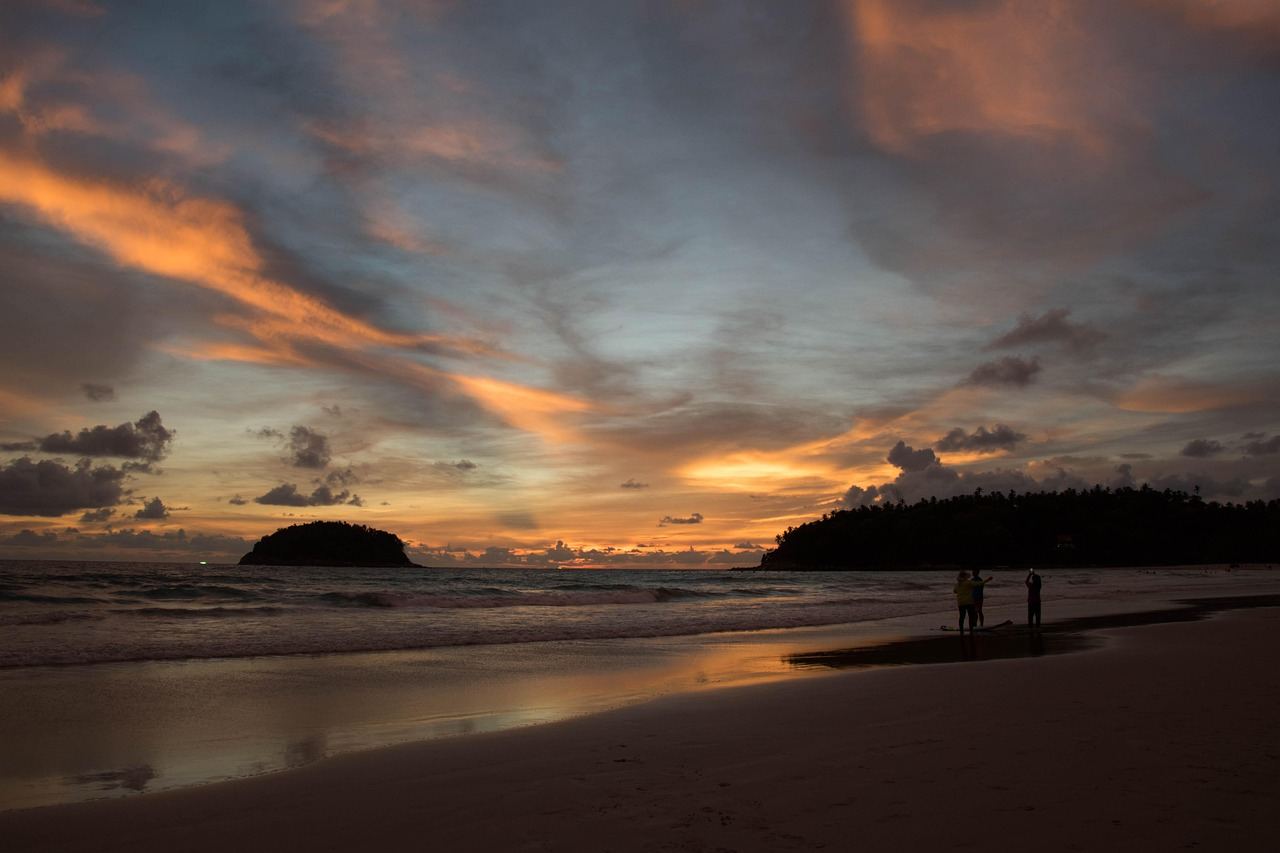
In practice, aim for Phuket and the Andaman islands from November to March, after their rains ease. If you're traveling in the middle of the year, the Gulf side is usually the safer pick. Our Phuket guide covers beaches, areas to stay and day trips, and you should always follow lifeguard flags when the surf is up.
- Andaman coast (Phuket): wettest from April to October.
- Gulf coast (Koh Samui): wettest from September to December.
- Mid-year beach trip: lean toward the Gulf.
- Late-year beach trip: lean toward the Andaman.
Northern Thailand: Cool Mornings and the Haze Season
The north has the biggest swing between seasons. From November to February, Chiang Mai has cool mornings and evenings that make temple hopping, markets and mountain drives comfortable. Higher up, mist and chilly nights are common, so bring a jacket. See our Chiang Mai guide for neighborhoods and day trips.
Late in the dry season, air quality can become a problem. In late March 2026, the regional office of Thailand's Pollution Control Department in Chiang Mai reported PM2.5 dust at health-affecting levels in parts of the upper north and advised people there to limit outdoor activity and wear masks outside. If your trip falls in March or April, check air-quality readings before you go and keep your plans flexible.
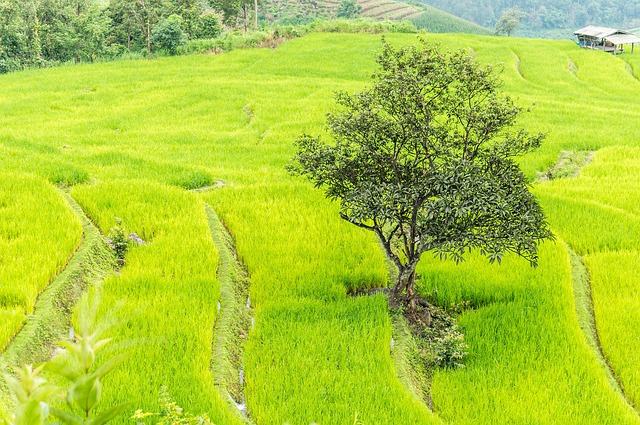
The rainy months bring green rice fields and fuller waterfalls, though mountain roads can be slippery after heavy rain.
- Best months for the north: November to February.
- Check air quality before a March or April trip.
- Pack a warm layer for hill trips in December and January.
Festivals That Change Crowds and Prices
Songkran, the Thai New Year, is the biggest date on the calendar. According to the Tourism Authority of Thailand's guide to Songkran, it's a three-day national holiday from April 13 to 15, and celebrations can run up to a week in some places. Expect water fights in the streets, temple visits and many Thais traveling home, so book transport and hotels early.
Loy Krathong is the gentler, prettier festival. TAT's Loi Krathong festival page explains that it's held each year on the full moon of the 12th month of the Thai lunar calendar, which usually lands in November. People float small decorated rafts called krathongs on rivers and canals.
In Chiang Mai, the same season brings Yi Peng, the northern festival where lit lanterns are released into the night sky. In 2024 TAT listed it for November 14 to 17. Dates move with the moon, so check TAT's announcements for the year you travel and book Chiang Mai rooms well ahead.
- Songkran: April 13 to 15, with longer celebrations in some places.
- Loy Krathong: full moon of the 12th Thai lunar month, usually November.
- Yi Peng: Chiang Mai's lantern festival around Loy Krathong.
The Best Time to Visit by Goal and by Region
Thailand is long and covers both mountains and two seas, so the right month depends on what you want. Start with our Thailand country guide for an overview of regions, then match your plans to the season.
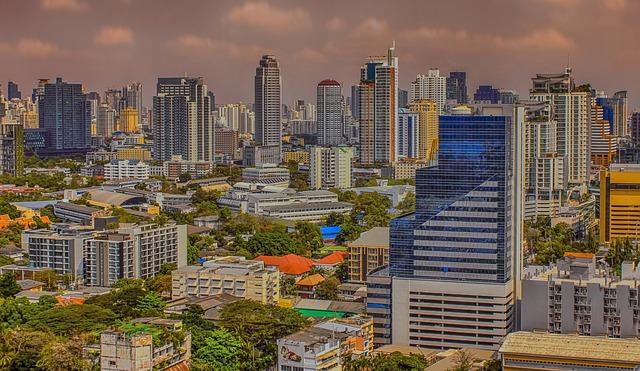
Bangkok works year-round as a city break and a gateway, but it's most pleasant from November to February. In the rainy months, plan indoor stops like museums and malls for the afternoon downpours. Our Bangkok guide covers the main sights and how to get around.
- Best weather: November to February across most of the country.
- Best for Phuket and Andaman beaches: November to March.
- Best for Koh Samui and the Gulf: outside its September to December rains.
- Best for Chiang Mai and the north: November to February.
- Best for festivals: mid-April and November.
- Best for a budget trip: the rainy months, when crowds are smaller.
Crowds, Prices and When to Book
Prices in Thailand follow the weather. Hotel rates tend to be highest in the cool season, especially around Christmas, New Year and the festival weeks, and lowest during the rainy months. Beach resorts on the coast in its wet season usually offer the biggest drops.
For a cool-season trip, aim to book flights and hotels two to three months ahead, and earlier for Songkran, Yi Peng or the December holidays. If you're watching your spending, our guides to the cheapest countries to visit in Asia and traveling Southeast Asia on a tight daily budget have more ideas.
Weather events can disrupt plans in the rainy season, from flooding to rough seas that pause boat services. Before you go, check our travel alerts and keep a spare day in your schedule for island transfers.
- Travel midweek to avoid weekend crowds at popular beaches.
- Book festival dates early, since Thais travel too.
- Leave buffer time for ferries in the rainy season.
How to Plan Your Trip Around the Seasons
Once you've picked your month, build the route around it. A classic first trip pairs a few days in Bangkok with Chiang Mai in the north and a beach stay to finish, choosing the Andaman or Gulf coast based on your dates.
Then match the details to the season: early starts and light clothing from March to May, a rain jacket and flexible beach days from May to October, and a warm layer for the northern hills from December to January. Book Songkran and November festival dates first, and fit the rest of the trip around them.
FAQ
What is the best month to visit Thailand?
December and January are among the best months to visit Thailand for most travelers. They fall in the cool season, with drier weather across the north and center, comfortable days in Bangkok, and calm conditions on the Andaman coast around Phuket. November and February are close behind. The trade-off is higher hotel rates and bigger crowds, especially over Christmas and New Year.
What is the rainy season in Thailand?
The rainy season in Thailand runs from about mid-May to mid-October, driven by the southwest monsoon. Rain often comes as heavy afternoon showers rather than all-day drizzle. The coasts differ: the Andaman side, including Phuket, is wettest from April to October, while the Gulf side, including Koh Samui, gets most of its rain from September to December.
When is the hottest time of year in Thailand?
The hottest time of year in Thailand is the hot season, from mid-February to mid-May, and April is usually the hottest month. Afternoon highs can approach 104°F (40°C). If you travel then, plan outdoor sightseeing for early morning, take a break at midday, and choose hotels with air conditioning. Songkran in mid-April falls right in this stretch.
When is Songkran in Thailand?
Songkran, the Thai New Year, is a national holiday from April 13 to 15 every year, and in some places the celebrations stretch to about a week. Expect street water fights, temple visits and very busy roads, trains and flights as Thais travel home. Book your transport and hotels early if your trip overlaps with these dates.
Is Phuket or Koh Samui better in the rainy season?
Koh Samui is usually the better choice from May to August, because the Andaman coast around Phuket gets its heavy storms from April to October. From September to December the situation flips, as rain peaks on the Gulf side around Koh Samui. For a late-year beach trip, Phuket and the Andaman islands are often the better bet once their rains ease.
Plan it with TripPilot
Tell our AI where you want to go and get flights, hotels and a day-by-day plan.
Start planningSources
Written with AI help and checked for usefulness. Prices, opening times and travel rules change, so check before you go. Photos: Anndy548 on Pixabay.