The most reliable winter sun destinations within a short flight of Europe are the Canary Islands and southern Morocco, where January afternoons usually reach about 70°F (21°C). Madeira and Marrakech come next, with mild, bright days but cooler evenings. Malta, Lisbon and southern Spain are milder than northern Europe but better for city breaks than beach days, while Cairo and Dubai sit farther away. Below you'll find what each place really feels like from December to February, based on official tourism and weather sources. Once you've picked a spot, Ask TripPilot's planner can build the day-by-day plan.
The Quick Answer: Where the Winter Sun Is Warmest
If warmth is your top priority, head south and west, toward the Atlantic islands off Africa and Morocco's coast. These places stay warm enough for T-shirt afternoons through December, January and February, while the Mediterranean is noticeably cooler.
Be realistic about what winter sun means, though. Even in the warmest spots on this list, you're looking at pleasant spring-like days rather than summer heat. Sea swimming feels fresh, evenings call for a sweater, and a heated hotel pool makes a real difference.
Here's how the main options compare, from warmest to coolest, based on the official figures in the sections below.
- Warmest and most reliable: the Canary Islands and Agadir, around 70°F (21°C) by day.
- Warm days, cool nights: Marrakech, with average highs of 64 to 72°F (18 to 22°C) from January to March.
- Mild and green: Madeira, with winter averages around 59°F (15°C).
- Mild city breaks: Malta, Lisbon, Seville and Mallorca.
- Farther but dry: Cairo for sightseeing and Dubai for beaches and events.
Canary Islands: The Most Reliable Winter Warmth
The Canary Islands, Spain's Atlantic archipelago off the coast of West Africa, are the classic answer for winter sun. Spain's national weather agency, AEMET, publishes standard climate values for Santa Cruz de Tenerife that show an average January high of about 70°F (21°C) and an average January low of about 60°F (15°C). That's a narrow gap between day and night, so you can eat dinner outside on many evenings.
Tenerife, Gran Canaria, Lanzarote and Fuerteventura each have a different feel. Tenerife and Gran Canaria mix beach resorts with mountain hiking, while Lanzarote and Fuerteventura are flatter and drier, with long beaches that suit windsurfing and kitesurfing.
Because the islands are a popular winter base for Europeans escaping the cold, the Christmas and New Year weeks and the February school holidays get busy. Book early if your dates fall then.
- Best for: beach time, hiking and a long winter stay.
- Pack: a light jacket for the mountains, where it's cooler than on the coast.
- Tip: compare the north and south of an island before you book, since weather can differ between them.
Madeira: Mild, Green and Made for Walking
Madeira, Portugal's island in the Atlantic, trades beach heat for mild, flower-filled days and dramatic coastal and mountain scenery. The official Visit Madeira weather guide gives average temperatures from about 59°F (15°C) in winter to 77°F (25°C) in summer, and notes that winter temperatures rarely drop below that 59°F (15°C) mark.
The same guide warns that fog and cooler temperatures are common in the mountains, even when it's sunny and warm by the sea. Plan levada walks and peak hikes for clear mornings, and keep a rain jacket in your daypack.
Funchal, the capital, makes the easiest base, with restaurants, gardens and the waterfront within walking distance. The sea stays at around 64°F (18°C) in winter, according to Visit Madeira, so swimming is possible for hardy swimmers but chilly for most.
- Best for: hiking, gardens, scenic drives and quiet city time in Funchal.
- Pack: layers and waterproof shoes for mountain trails.
- Tip: check trail conditions before a hike, since paths can close after heavy rain.
Marrakech: Bright Days and Cool Desert Evenings
Marrakech is the pick if you want winter sun with a strong dose of culture. Morocco's national tourism office, in its winter guide to Morocco, puts average highs in Marrakech at 64 to 72°F (18 to 22°C) between January and March. The same article compares that with average highs of 46 to 52°F (8 to 11°C) in London over the same months.
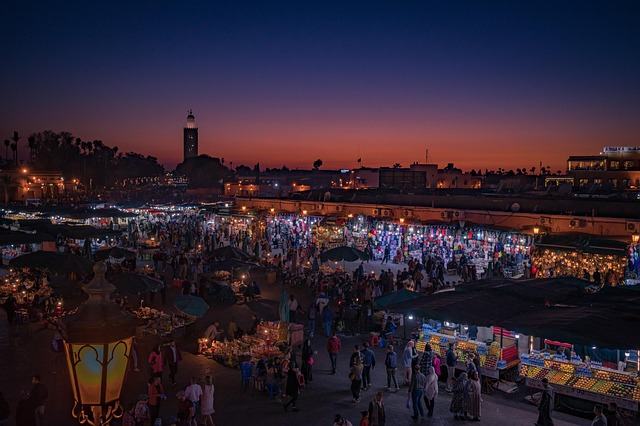
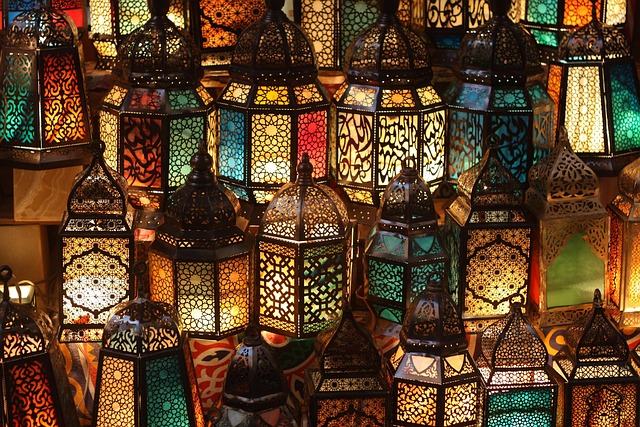
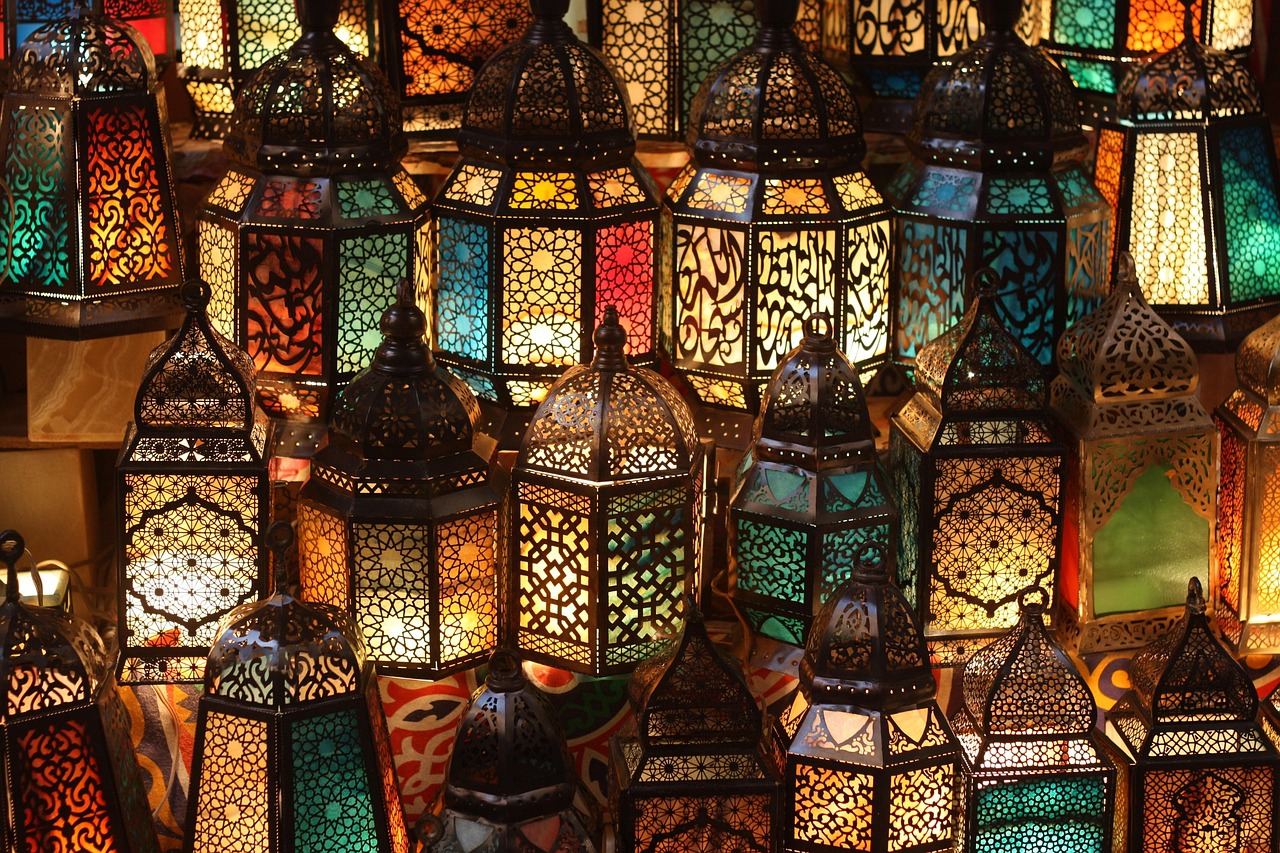
Winter is a comfortable time to wander the souks, visit gardens and palaces, and sit on rooftop terraces without the intense heat of summer. Because the city sits inland, near the foot of the Atlas Mountains, evenings cool off quickly once the sun drops, so bring a warm sweater or jacket for dinner outside.
Start with our Marrakech guide for neighborhoods, riads and day trips.
- Best for: culture, food, hammams and shopping.
- Plan: outdoor sightseeing for the late morning and early afternoon, when it's warmest.
- Pack: a warm layer for evenings and for any trip into the mountains.
Agadir: Morocco's Atlantic Beach Escape
If you'd rather spend your days on a beach promenade than in a medina, go to Agadir on Morocco's southern Atlantic coast. Morocco's tourism office says you can expect regular winter temperatures of around 70°F (21°C) there, which puts it on par with the Canary Islands.
Agadir has a long, wide bay lined with hotels, cafés and a seafront walkway that's busy with walkers and runners in the winter sun. North of the city, the surf villages around Taghazout draw surfers in winter, with surf schools offering lessons for beginners.
The Atlantic stays cool for swimming, so many travelers spend their water time in the hotel pool. Our Agadir guide helps you pick an area to stay and plan day trips.
- Best for: easy beach days, surfing lessons and golf.
- Check: whether your hotel pool is heated before you book.
- Combine: Agadir and Marrakech in one trip for beach plus culture.
Malta, Lisbon and Southern Spain: Mild City Breaks
If you'd rather stay in Europe, Malta, Lisbon, Seville and Mallorca offer milder weather than the north, with plenty of sunny days between rainy spells. Don't expect beach weather, though: these places feel like a cool spring, and the sea is too cold for most swimmers.
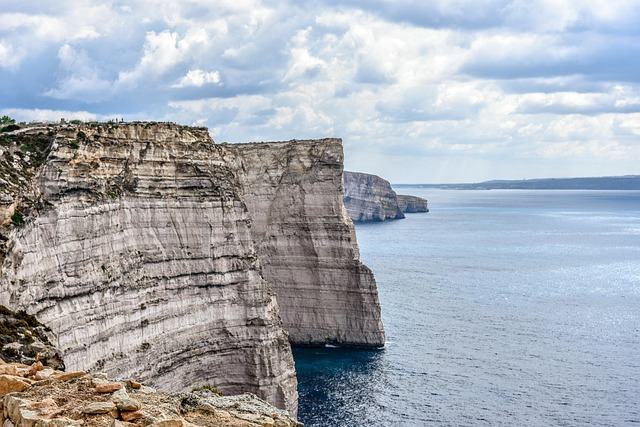
Malta is a strong pick for sightseeing. Winter is a comfortable time to walk Valletta's steep streets, tour the prehistoric temples and hike the coast without summer heat or crowds. See our Malta guide for where to stay.
Lisbon is cooler and wetter in winter than in summer, but sunny days are still common, and its hills, viewpoints and tiled cafés work well in any season. Our Lisbon guide covers the neighborhoods and day trips. Seville, inland in Andalusia, makes a great winter city break, since the Real Alcázar and the cathedral are far more pleasant to visit than in summer heat. Mallorca is quieter in winter, which suits road cycling, hiking and a slow look around Palma; start with our Mallorca guide.
- Best for: city sightseeing, food and walking.
- Pack: a light coat, an umbrella and comfortable walking shoes.
- Expect: shorter days, with some coastal hotels and restaurants closed for the season.
Cairo and Dubai: Farther Away, but Dry and Sunny
Cairo and Dubai take longer to reach from most of Europe than the other places on this list, but both are at their most comfortable in winter. Egypt is hot for much of the year, so winter is the best time for long days at the Pyramids of Giza, the Egyptian Museum and Islamic Cairo.
Don't overpack for heat, though. The Egyptian Tourism Authority's Cairo page lists an average winter (December to February) temperature of about 57°F (14°C), which blends sunny days with cool nights. Bring a jacket for early starts and evenings. Our Cairo guide helps you plan the sights.
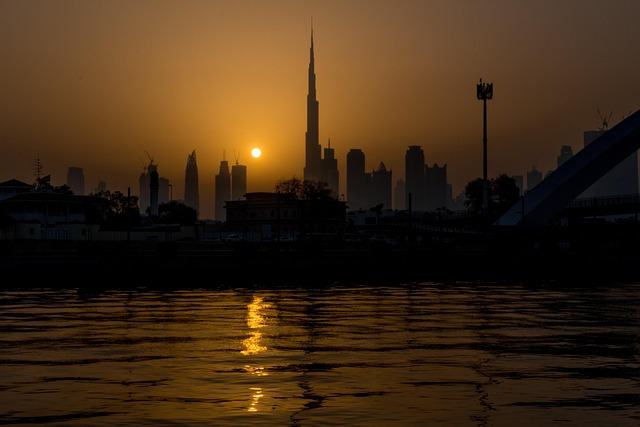
Dubai is the warmest choice here and the best for beaches. Visit Dubai's March weather guide describes November to February as the city's high season and puts the average sea temperature in March at about 73°F (23°C), comfortable for swimming. It also says March is less crowded than the peak months, with more reasonable prices. See our Dubai guide for neighborhoods and things to do.
- Cairo: best for history and culture, with cool mornings and evenings.
- Dubai: best for beaches, pools, shopping and winter events.
- Both: book early for the Christmas and New Year period.
How to Plan Your Winter Sun Trip
Start by deciding what you want most from the trip. For beach and pool time, choose the Canary Islands, Agadir or Dubai. For culture and food with sunshine, pick Marrakech, Cairo or Malta. For hiking and scenery, Madeira and Tenerife stand out.
Then plan your days around the light. Even in the south, winter days are shorter than in summer, so put outdoor sightseeing and beach time in the middle of the day, when it's warmest, and save museums, markets and long dinners for the evening.
Holiday weeks fill up fast everywhere on this list, so book flights and hotels early for Christmas, New Year and the February school breaks. If you're also comparing farther-flung trips, our guide to the best places to visit in December covers more warm escapes.
- Bring sunglasses and sunscreen: the winter sun is still strong in the south.
- Pack a warm layer for evenings, even in the warmest places.
- Check whether hotel pools are heated, since the sea is cool in winter.
- Look up local holidays and events before you fix your dates.
FAQ
What is the warmest winter sun destination close to Europe?
The Canary Islands and Agadir in southern Morocco are the warmest short-flight options. Spain's weather agency AEMET records an average January high of about 70°F (21°C) in Santa Cruz de Tenerife, and Morocco's tourism office gives Agadir regular winter temperatures of around 70°F (21°C). Dubai is warmer still, but it's a much longer flight from most of Europe.
Is Marrakech warm enough in January?
Yes, for sightseeing. Morocco's tourism office puts average highs in Marrakech at 64 to 72°F (18 to 22°C) between January and March, which is comfortable for walking the souks and visiting gardens. It isn't beach weather, and evenings get cool once the sun sets, so pack a warm sweater or jacket. For beach time, pair Marrakech with a few days in Agadir.
Can you swim in the sea on a winter sun trip?
You can, but the water is fresh in most places. Visit Madeira gives a winter sea temperature of around 64°F (18°C), which most people find cool. Dubai's sea is warmer, at about 73°F (23°C) on average in March according to Visit Dubai. For relaxed swims in the Canaries, Morocco or Malta, choose a hotel with a heated pool.
Is Cairo hot in winter?
No, Cairo is mild in winter rather than hot. The Egyptian Tourism Authority lists an average temperature of about 57°F (14°C) for December to February, which includes cool nights. Days are usually sunny and pleasant for visiting the Pyramids and museums, but bring a jacket for early mornings and evenings. Winter is the most comfortable season for sightseeing in Egypt.
Which winter sun destination is best for a city break?
Marrakech is the best winter city break if you want sunshine and warmth, with daytime highs often in the mid-60s to low 70s °F. Malta, Lisbon and Seville are milder than northern Europe and great for sightseeing without crowds, but they feel more like a cool spring. Cairo suits travelers focused on history and ancient sites.
Plan it with TripPilot
Tell our AI where you want to go and get flights, hotels and a day-by-day plan.
Start planningSources
Written with AI help and checked for usefulness. Prices, opening times and travel rules change, so check before you go. Photos: derMolf on Pixabay.