Southeast Asia remains one of the most rewarding and accessible destinations in the world for independent travelers. While prices have gradually risen across the region over recent years, traveling comfortably on a $40 daily budget is still entirely realistic in 2026. With thoughtful planning, slow travel habits, and an appetite for local street stalls, you can enjoy rich adventures without draining your savings.
Setting Realistic Expectations for a $40 Budget
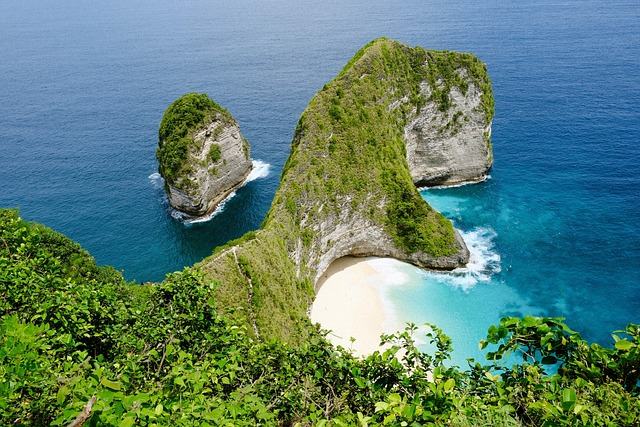
A daily budget of $40 requires balancing your expenses across accommodation, food, local transport, and sightseeing. In lower-cost destinations like Vietnam, Cambodia, and northern Thailand, this amount lets you sleep comfortably in sociable dorms, eat delicious local dishes three times a day, and still have spare funds for entry tickets. In pricier pockets such as southern resort islands, you will need to keep tighter control over optional splurges.
Keep in mind that prices fluctuate with seasonality and inflation, so keeping an emergency buffer is always wise. Your $40 target represents an average day of regular travel rather than major transition days involving long-haul bus routes or international visa costs.
- Allocate around $12 to $18 for a clean hostel bed or budget guesthouse room.
- Set aside roughly $10 to $12 for meals, fruit shakes, and bottled drinking water.
- Reserve $5 to $8 for local transportation like city buses or shared songthaews.
- Keep the remaining $5 to $10 for temple admissions, museum fees, and small daily treats.
Where to Sleep: Dorms, Homestays, and Guesthouses
Lodging will likely be your single largest daily expense, making smart choices here essential. Hostel dorms in hubs like Hanoi, Chiang Mai, and Bangkok offer modern facilities, air conditioning, and social lounges for very reasonable rates. Many properties include free drinking water refills or basic morning breakfasts, which instantly trims your food costs.
If you are traveling as a couple or with a companion, look into simple private rooms in family-run guesthouses. Splitting a private room often costs the same per person as two individual hostel dorm beds while offering privacy and a quieter night of rest.
- Book the first couple of nights online, then inquire in person for better weekly rates.
- Look for hostels offering free filtered water, breakfast, and shared kitchen areas.
- Read recent guest reviews to verify that air conditioning and Wi-Fi function reliably.
- Consider homestays in smaller towns for lower rates and warm local hospitality.
Eating Inexpensively Through Street Food Culture
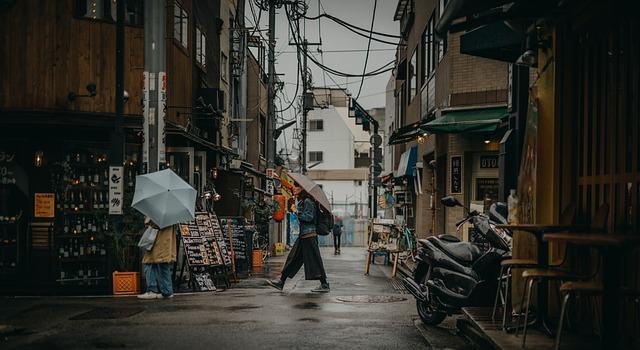
The secret to staying well-fed on a modest budget is leaning into the region's legendary street food scene. Street carts and open-air food courts in cities like Ho Chi Minh City and Bangkok serve exceptional noodle soups, rice dishes, and stir-fries at fractions of restaurant prices. Eating where working locals gather ensures high ingredient turnover, fresh meals, and genuine regional flavors.
Western cafes and tourist-oriented restaurants will rapidly erode a $40 daily budget. Save sit-down western dining for occasional treats and rely on neighborhood markets, night bazaars, and convenience stores for daily sustenance.
- Choose stalls with long queues of local residents, ensuring high food turnover and freshness.
- Take advantage of night markets for affordable snacking and varied small dishes.
- Carry a reusable bottle and seek out filtered water refill stations to cut down on single-use plastic.
- Pick up affordable morning fruit from local wet markets instead of tourist cafes.
Navigating Transportation Without Overspending
Getting from place to place can make or break your daily budget. Relying heavily on regional domestic flights creates hidden expenses in baggage fees and airport transfers that quickly bust your limits. Embracing overnight sleeper trains and long-distance buses not only keeps transit costs low, but also covers a night of accommodation while you sleep.
For short distances within cities, skip metered tourist taxis in favor of public transit networks, city buses, and verified ride-hailing apps like Grab. In pedestrian-friendly pockets of places like Siem Reap or Ubud in Bali, walking or renting a bicycle remains the cheapest and most immersive way to explore.
- Book long-distance trains and government-run buses at official terminal counters.
- Use overnight sleeper buses to combine transportation and a free night of lodging.
- Download local ride-hailing applications to avoid unpredictable roadside fare negotiations.
- Only rent motorbikes if you possess a valid international driving permit and full insurance.
Sightseeing and Culture on a Shoe String
Many of Southeast Asia's greatest highlights cost very little to explore. Walking through centuries-old temples, wandering lantern-lit old towns, swimming at public beaches, and hiking public nature trails provide unforgettable experiences for minimal fees. Many major urban museums offer free admission days or discounted entry for arriving during specific off-peak hours.
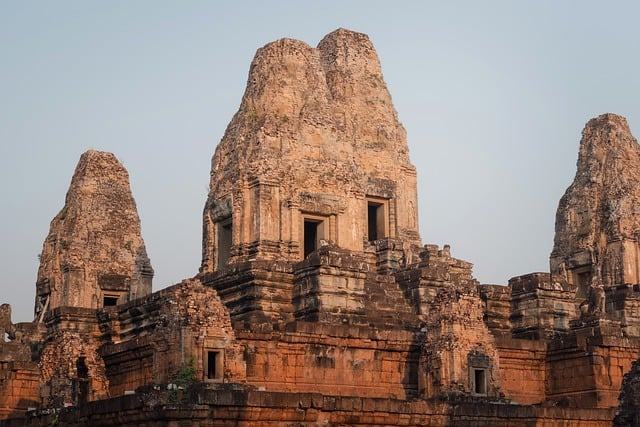
When visiting higher-cost cultural sights such as Angkor Archaeological Park near Siem Reap, plan your itinerary carefully so you make the absolute most of multi-day entry passes. Balance bucket-list entrance fees with slow, cost-free days spent relaxing in city parks or wandering neighborhood markets.
- Seek out free self-guided walking routes through historic quarters.
- Bundle major sight tickets together rather than buying single-entry passes.
- Dress respectfully at religious sites to avoid being required to rent cover-up clothing at the gate.
- Visit municipal parks during late afternoons to watch local community sports and fitness gatherings.
Route Strategy: The Power of Slow Travel
The fastest way to burn through a $40 daily budget is changing locations every two days. Every border crossing, bus transfer, and city arrival introduces unexpected costs like transit snacks, terminal taxis, and temporary sim cards. Slowing down your pace allows you to unlock long-stay room discounts, learn the cheapest neighborhood eateries, and absorb local culture deeply.
Focus on regional clusters where living costs remain gentle, such as northern Thailand, central Vietnam, and parts of rural Indonesia. Spending a week or two based in a single town like Chiang Mai provides a rewarding routine while keeping average daily expenditures well below your spending ceiling.
- Spend at least five to seven days in major stops rather than rushing through in forty-eight hours.
- Inquire about weekly accommodation discounts directly with guesthouse owners.
- Group neighboring destinations together to minimize costly long-distance travel legs.
- Research border visa fees in advance to avoid unexpected administrative charges.
FAQ
Can you really travel Southeast Asia on $40 a day in 2026?
Yes, a $40 daily budget is achievable if you stay in hostel dorms or budget guesthouses, eat predominantly local street food, and travel by public transit. Costs are higher on popular resort islands, so balancing beach destinations with affordable inland towns is key.
Does the $40 budget include international flights and travel insurance?
No, this daily target covers ongoing on-the-ground living costs such as food, lodging, activities, and local transit. You should budget separately for long-haul inbound flights, regional visas, comprehensive medical insurance, and gear before departing.
How should I manage cash and bank card fees while traveling?
Use a debit card that waives or refunds foreign transaction and ATM fees, as local cash machines often levy standard withdrawal charges. Withdraw larger sums less frequently to minimize per-transaction fees, and store excess money safely in separate secure pouches.
Which countries in the region are easiest to visit on this budget?
Vietnam, Cambodia, Laos, and northern Thailand generally offer the best value for budget travelers seeking low-cost lodging, transit, and dining. Countries like Singapore are significantly more expensive and require much higher daily spending.
Plan it with TripPilot
Tell our AI where you want to go and get flights, hotels and a day-by-day plan.
Start planningWritten with AI help and checked for usefulness. Prices, opening times and travel rules change, so check before you go. Photos: lehuudat on Pixabay.