Sukhumvit
Best for: First-timers & NightlifeA bustling commercial corridor connected by the BTS Skytrain, packed with hotels, dining options, and bars.
See hotels in Sukhumvit →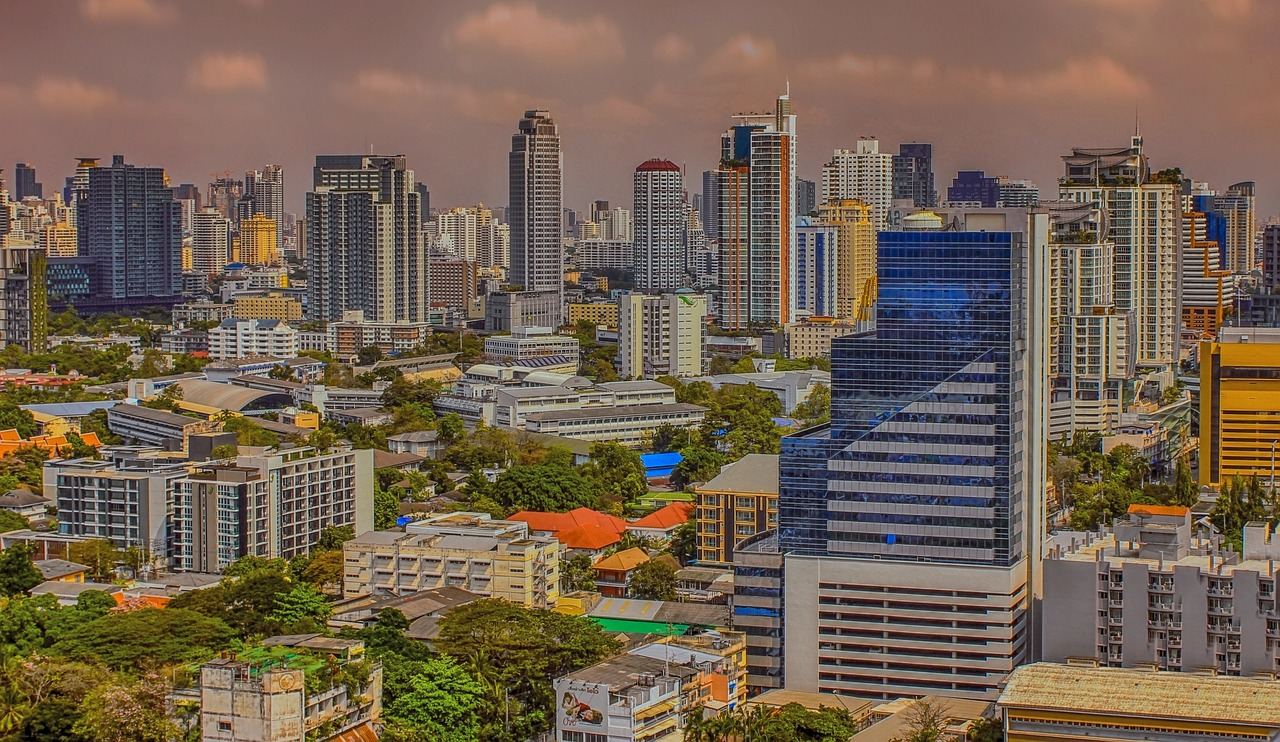
Thailand · A vibrant collision of sacred temples, world-class street food, and modern energy.
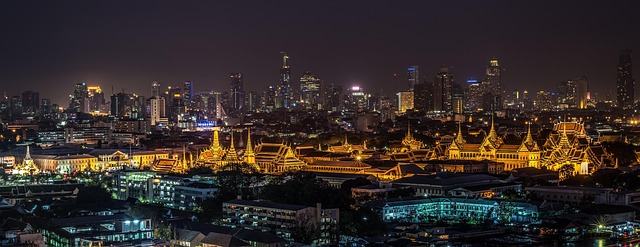
Bangkok captivates visitors with golden temple spires rising alongside futuristic skyscrapers, bustling river canals, and legendary street markets. It is an exhilarating city that will thrill food lovers, culture buffs, and urban explorers alike.
November to February is the best window, providing dry weather and relatively cooler temperatures for city exploration.
Peak tourist season with high hotel rates, packed temples, and festive events.
Scorching days with great hotel deals and the massive nationwide Songkran water festival in mid-April.
Fewer crowds and passing afternoon showers that rarely ruin a full day of sightseeing.
The wettest months of the year, bringing budget discounts alongside potential localized street flooding.
Marvel at the dazzling golden architecture and view the revered Emerald Buddha within Thailand's most sacred complex.
Climb the steep steps of this iconic riverside temple adorned with colorful porcelain fragments.
Get lost in thousands of stalls offering vintage clothes, handicrafts, homewares, and tasty street treats.
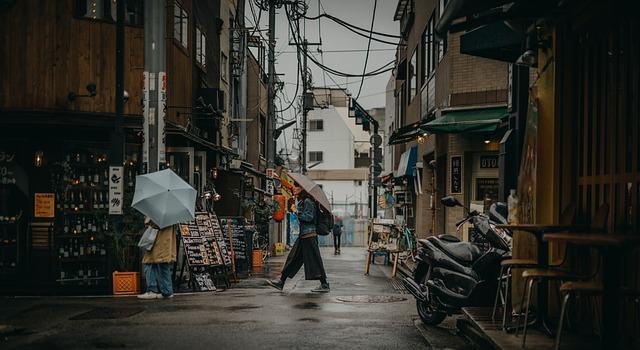
Wander beneath glowing neon signs and taste world-famous street food from sizzling sidewalk woks.
Hop aboard public commuter boats to see skyline views and ancient waterfront life from the water.
Tour a serene compound of traditional teakwood houses showcasing exquisite Southeast Asian art and silk history.
Stroll shady walkways, rent a paddleboat, and spot giant water monitor lizards basking in the tropical sun.
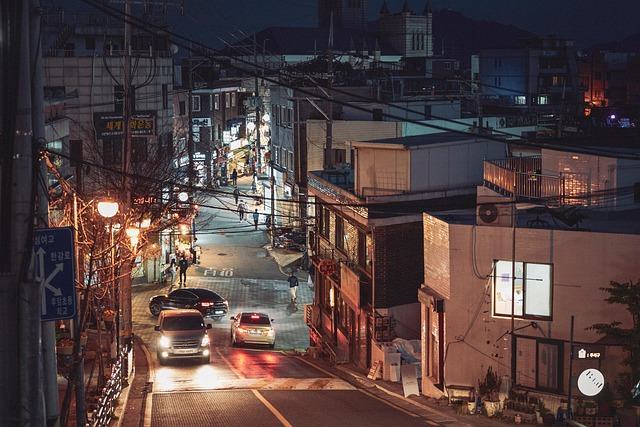
Sip cocktails in hidden speakeasies and party at sleek clubs in Bangkok's trendiest nightlife district.
A bustling commercial corridor connected by the BTS Skytrain, packed with hotels, dining options, and bars.
See hotels in Sukhumvit →A scenic strip lined with historic temples, luxury resorts, and convenient access to river ferry transport.
See hotels in Riverside & Bang Rak →The central retail heart of Bangkok, offering massive interconnected malls, aquariums, and central train connections.
See hotels in Siam →Surrounded by historic canals, this heritage district puts you steps away from top temples and backpacker hubs.
See hotels in Old Town (Rattanakosin) →Relying on public rail lines and street food stalls will keep your daily spending remarkably low.
Tell us where you fly from and we'll find real prices.
Spicy stir-fried minced pork or chicken infused with aromatic holy basil, served over rice with a crispy fried egg.
A hot and sour aromatic soup simmered with fresh river prawns, lemongrass, galangal, kaffir lime, and chili.
A crunchy green papaya salad pounded with garlic, chilies, lime juice, palm sugar, fish sauce, and roasted peanuts.
Sweet, warm coconut sticky rice paired with sweet slices of fresh ripe mango and a sprinkle of crispy mung beans.
A deeply flavored, spiced noodle soup served in hearty mini bowls with tender meat, meatballs, and morning glory.
Ride the Airport Rail Link from Suvarnabhumi Airport or the SRT Red Line from Don Mueang into central transit hubs. When navigating the city, use the elevated BTS Skytrain, underground MRT, and Chao Phraya Express boats to easily bypass notorious road traffic.
Yes, Bangkok is widely considered very safe for solo travelers and has low violent crime rates. Simply use normal street awareness against petty pickpocketing in crowded markets and avoid unlicensed late-night transport.
Three to four full days is the sweet spot to see major palaces, explore lively neighborhoods, and feast on street food. You can add extra days if you wish to take day trips to ancient Ayutthaya or nearby floating markets.
Credit cards are standard in shopping malls, hotels, supermarkets, and formal restaurants. You will definitely need cash for street food carts, open-air markets, tuk-tuks, and local temple entry tickets.
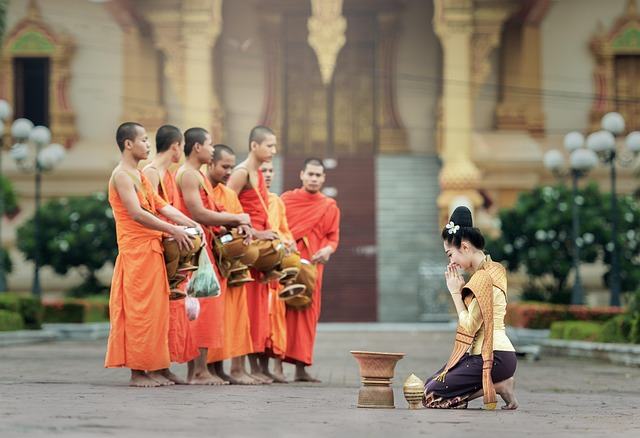
Lightweight, breathable clothing made of linen or cotton is ideal for the city heat. Keep a light scarf, sarong, or lightweight pants in your day bag so you can cover up whenever visiting sacred sites.
Basic English is widely spoken in tourist districts, transit stations, hotels, and upscale dining establishments. Learning simple Thai pleasantries like 'sawasdee krap' or 'sawasdee ka' for hello is always appreciated.
Get real flight prices, hotels and a day-by-day plan made for you.
Start planningAI-written guide, last updated 2026-10-08. Check opening times, prices and travel rules before you go. Photos: Walkerssk, sasint on Pixabay.