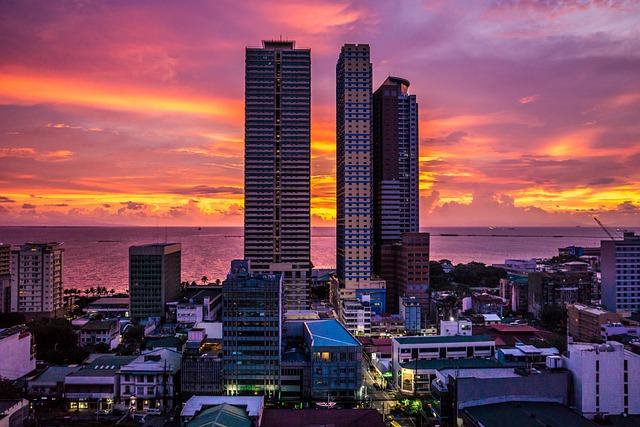
El Nido, Palawan
Famous for dramatic karst limestone cliffs rising out of turquoise lagoons and secluded white beaches.
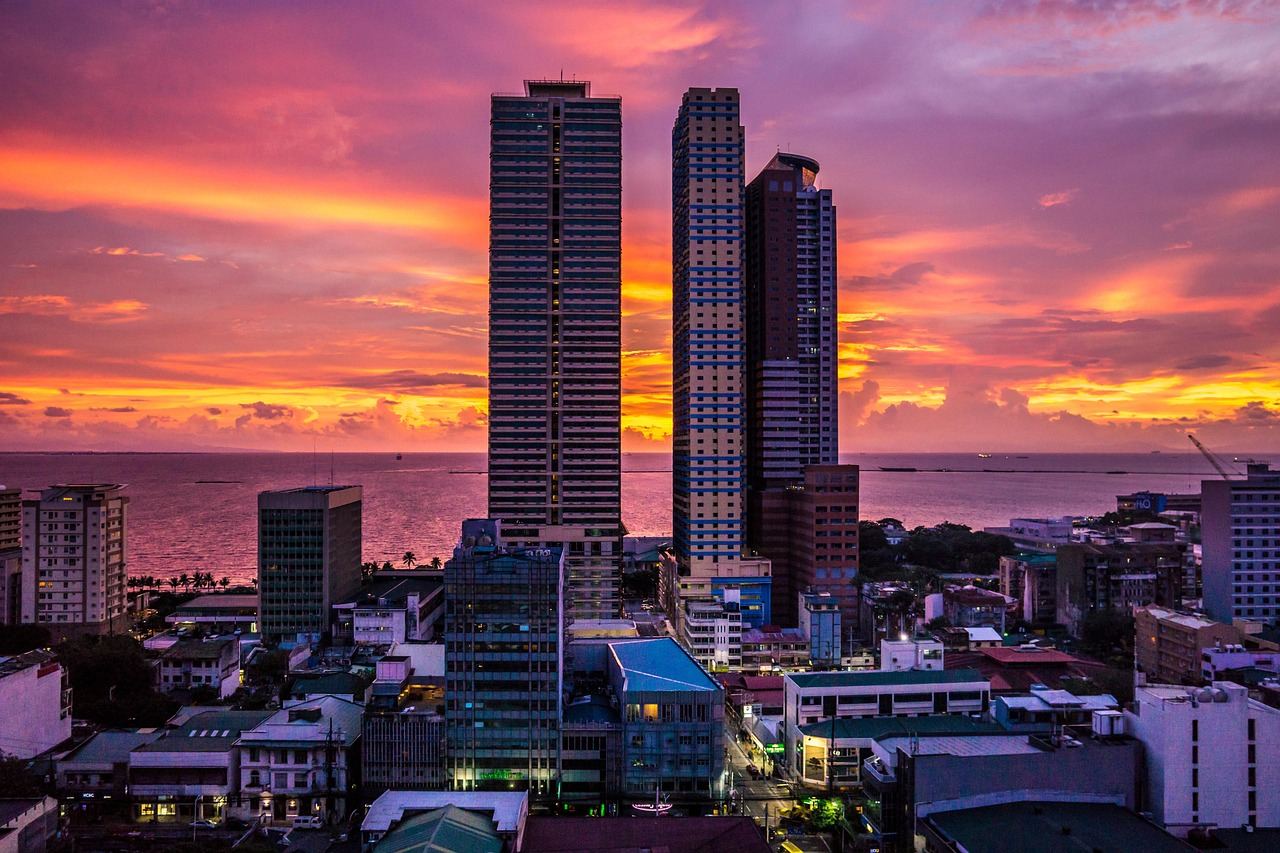
Asia · An archipelago of emerald waters, limestone cliffs, and warm island hospitality.
The Philippines boasts over 7,000 tropical islands featuring powdery white-sand beaches, world-class diving, and lush jungle landscapes. Its vibrant culture blends indigenous traditions with Spanish and American heritage, welcoming travelers with renowned Filipino warmth. Beach lovers, underwater adventurers, and island-hoppers will find an unforgettable paradise here.
The best time to visit is during the dry season from December to April when skies are clear and seas are calm. These months offer ideal conditions for diving, island-hopping, and outdoor exploration.
Peak tourist season with pleasant weather, higher hotel rates, and lively holiday festivals.
Ideal beach weather with packed crowds during Holy Week and national school breaks.
Lower hotel rates and thinner crowds, though sea crossings may face weather cancellations.
Higher typhoon activity early on, transitioning into pleasant shoulder-season travel by November.
Famous for dramatic karst limestone cliffs rising out of turquoise lagoons and secluded white beaches.
World-renowned for the four-kilometer powdery White Beach, vibrant nightlife, and endless water sports.
The surfing capital of the country, known for the Cloud 9 break, natural rock pools, and a laid-back vibe.
A diving hotspot featuring sunken World War II shipwrecks, coral gardens, and the crystalline Kayangan Lake.
Home to the unique geological Chocolate Hills and forested conservation sanctuaries for the tiny Philippine tarsier.
Ancient hand-carved agricultural marvels etched into the high mountains of northern Luzon.
Fly from Manila to Palawan for world-class karst lagoons, cross to Coron via fast ferry, and finish with flights to Cebu.
Plan this routeHop between scenic central islands using frequent regional passenger ferries and short coastal drives.
Plan this routeConnect world-class surf breaks to powdery resort beaches using domestic air links via major transit hubs.
Plan this routeAlways carry adequate cash in small bills because island boatmen and local eateries rarely take cards.
Tender pork or chicken simmered slowly in garlic, soy sauce, vinegar, and crushed black peppercorns.
A comforting, tamarind-based sour broth cooked with vegetables and your choice of pork or seafood.
Whole spit-roasted pig famous for its shatteringly crisp skin and succulent, seasoned interior.
A refreshing shaved-ice dessert layered with sweet beans, jellies, evaporated milk, and ube ice cream.
Fresh raw fish ceviche cured in native citrus and vinegar, tossed with ginger, chili, and onions.
Travel between non-adjacent island clusters relies on domestic flights operated by carriers like Philippine Airlines and Cebu Pacific. Regional fast ferries and passenger boats link neighboring islands, while inland journeys use minivans, jeepneys, and tricycles. In major metropolitan areas like Manila and Cebu, ride-hailing services like Grab provide reliable transport.
Yes, the country is generally safe and very welcoming for solo travelers, including women. Standard street smarts against pickpocketing in busy cities will keep your trip smooth. Joining group island-hopping day tours is an easy way to socialize and explore safely.
Yes, cash is indispensable on islands like Siargao, Coron, and Siquijor. Local ATMs frequently run out of banknotes or suffer power cuts. Withdraw sufficient funds in major cities before traveling outward.
A heavy-duty dry bag is critical to shield electronics from seawater during transfers. You should also pack reef-friendly sunscreen, sturdy water shoes, and quick-drying apparel. A light rain jacket is handy for sudden tropical downpours.
English is widely spoken and understood across the entire archipelago. It is an official language used in schools, commerce, and road signage. Travelers will have virtually no language barrier when asking directions or ordering food.
Typhoons can ground flights and halt ferry departures for several days at a time. The risk is highest from July through October, especially on the eastern seaboard. Always build flexible buffer days into your schedule when connecting back to international flights.
Get flights, hotels and a day-by-day plan across cities, made for you.
Start planningAI-written guide, last updated 2026-10-08. Check visa rules, prices and opening times before you go. Photos: TheDigitalWay, flypal_korea on Pixabay.