Bonifacio Global City (BGC)
Best for: First-timers and FamiliesA clean, highly walkable, modern district filled with upscale hotels, international dining, and leafy parks.
See hotels in Bonifacio Global City (BGC) →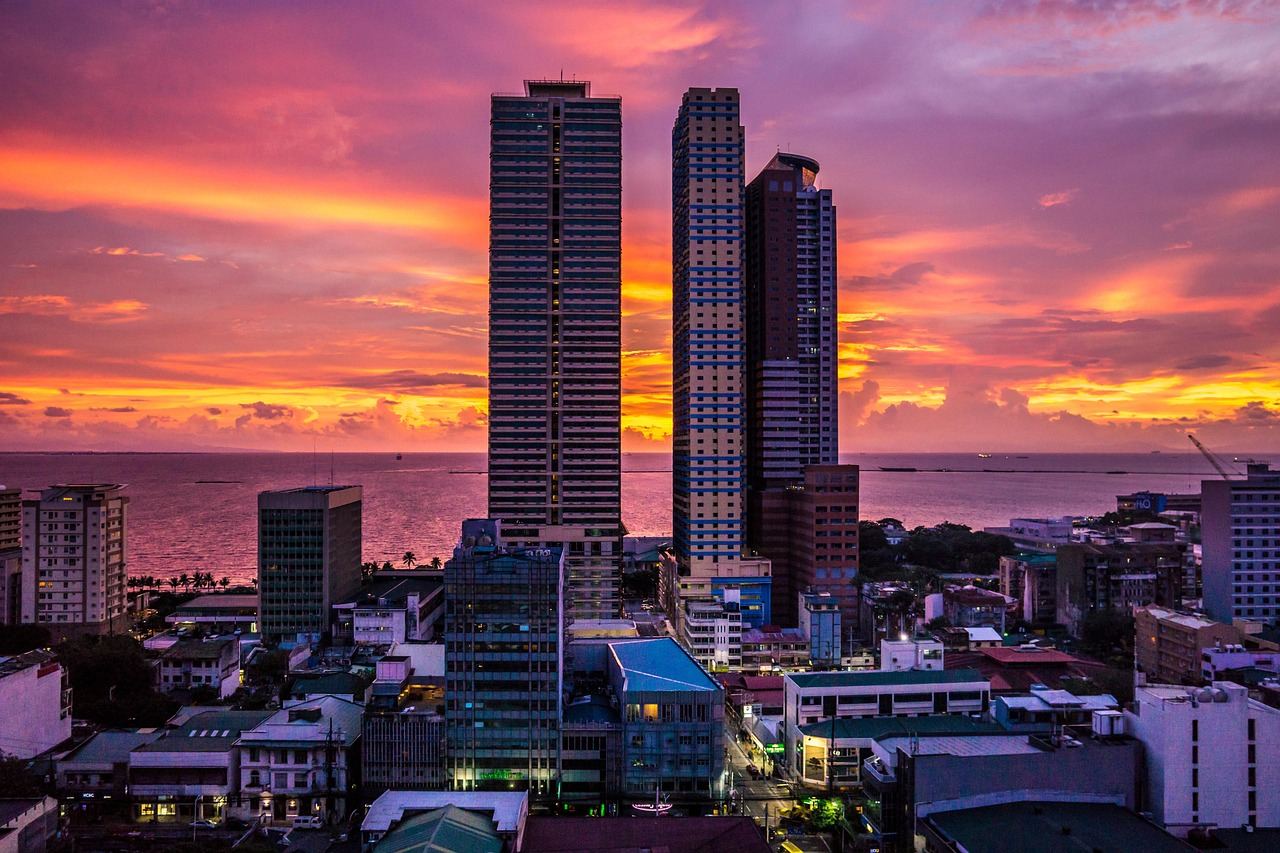
Philippines · A vibrant metropolis blending Spanish colonial history with modern urban energy.
Manila is a dynamic megacity where centuries-old stone fortresses stand alongside gleaming skyscrapers and creative arts hubs. It offers an intoxicating mix of Spanish heritage, mouthwatering street food, and warm Filipino hospitality. History buffs, culinary adventurers, and urban explorers will feel right at home here.
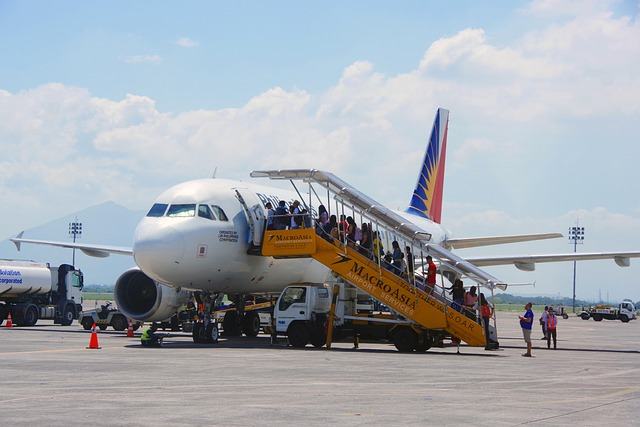
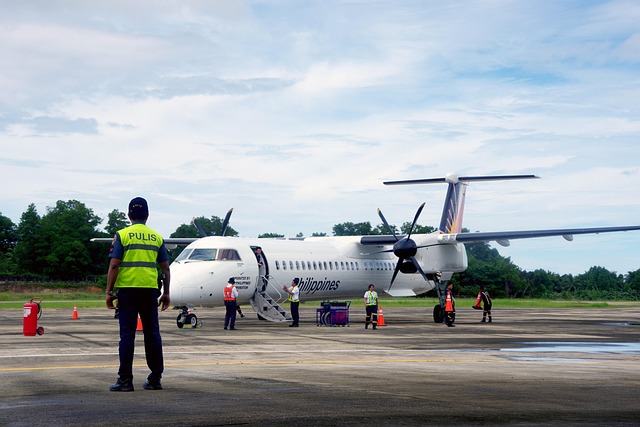
The best time to visit Manila is between December and February, when the weather is relatively cool and dry. This window lets you explore the historic streets and outdoor sights without extreme tropical heat or heavy rains.
Peak tourist season with holiday celebrations, bustling night markets, and higher hotel rates.
Holy Week sees city shutdowns, but shopping malls offer cool refuge and beach getaways peak.
Fewer tourists and discounted room rates, but expect street flooding and traffic delays.
Milder rain toward November, kickstarting the world's longest Christmas celebration in malls and public squares.
Step back in time inside Manila's 16th-century walled city, home to cobblestone alleys, Fort Santiago, and colonial ramparts.
Admire the oldest stone church in the Philippines, a UNESCO World Heritage site known for stunning trompe l'oeil ceilings.
Explore the National Museum of Fine Arts and Natural History to view iconic masterworks like Juan Luna's Spoliarium.
Wander the world's oldest Chinatown to taste savory dumplings, lumpia, and sweet hopia on a lively food crawl.
Stroll through this sprawling historic urban park dedicated to the national hero Dr. Jose Rizal.
Experience contemporary Manila in Bonifacio Global City with vibrant street murals, modern public art, and sleek outdoor promenades.
Discover Makati's hip heritage district packed with creative cocktail bars, rooftop speakeasies, and eclectic indie diners.
Catch the famous Manila Bay sunset before shopping and dining across one of Asia's largest retail complexes.
A clean, highly walkable, modern district filled with upscale hotels, international dining, and leafy parks.
See hotels in Bonifacio Global City (BGC) →The central business hub offering trendy weekend markets, cozy cafes, and seamless access to nightlife.
See hotels in Makati (Legazpi / Salcedo Village) →A lively, bohemian neighborhood known for boutique hostels, craft beer spots, and late-night eats.
See hotels in Poblacion, Makati →Historic bayside districts located close to Intramuros, Luneta, and the major national museum galleries.
See hotels in Ermita & Malate →Always keep smaller peso bills on hand because street stalls, small cafes, and traditional transit drivers rarely have change for large denominations.
Tell us where you fly from and we'll find real prices.
Tender chicken or pork braised in soy sauce, vinegar, garlic, bay leaves, and black peppercorns.
A comforting, sour tamarind-based broth cooked with pork, shrimp, or fish and fresh local greens.
A colorful shaved-ice dessert layered with sweet beans, jelly, leche flan, ube halaya, and evaporated milk.
A sizzling, savory platter of seasoned minced pork tossed with onions, chili peppers, and calamansi citrus.
A rich, comforting oxtail and vegetable stew simmered in a creamy savory peanut sauce served with fermented shrimp paste.
From Ninoy Aquino International Airport (NAIA), book an official coupon taxi or use the Grab ride-hailing app to reach your hotel safely. Within the city, Grab is by far the most reliable and air-conditioned option, while the LRT/MRT rail lines and iconic jeepneys offer authentic local transit if you want to bypass traffic jams.
Yes, Manila is generally safe when using standard urban precautions. Stick to well-traveled neighborhoods like BGC, Makati, and Intramuros, keep your belongings secure in crowded markets, and use registered ride apps like Grab.
Two to three days is ideal to experience the top historic sites, museum collections, and dining hotspots. This duration gives you a great taste of urban Philippine culture before you fly off to island destinations like Palawan or Boracay.
Major hotels, malls, and restaurants readily accept international credit cards. However, you will need Philippine Pesos for local street snacks, flea markets, taxis, and public transportation.
Yes, English is an official language in the Philippines and is spoken fluently by most locals. Road signage, public transit directions, and restaurant menus are predominantly in English, making communication very easy.
Light, breathable cotton clothing is best for the warm, humid climate. Remember to pack modest attire that covers your shoulders and knees if you plan to visit historic churches like San Agustin or Binondo Church.
AI-written guide, last updated 2026-10-08. Check opening times, prices and travel rules before you go. Photos: TheDigitalWay, flypal_korea on Pixabay.