Namba
Best for: Nightlife & DiningThe beating heart of southern Osaka, situated steps away from Dotonbori and filled with nonstop entertainment options.
See hotels in Namba →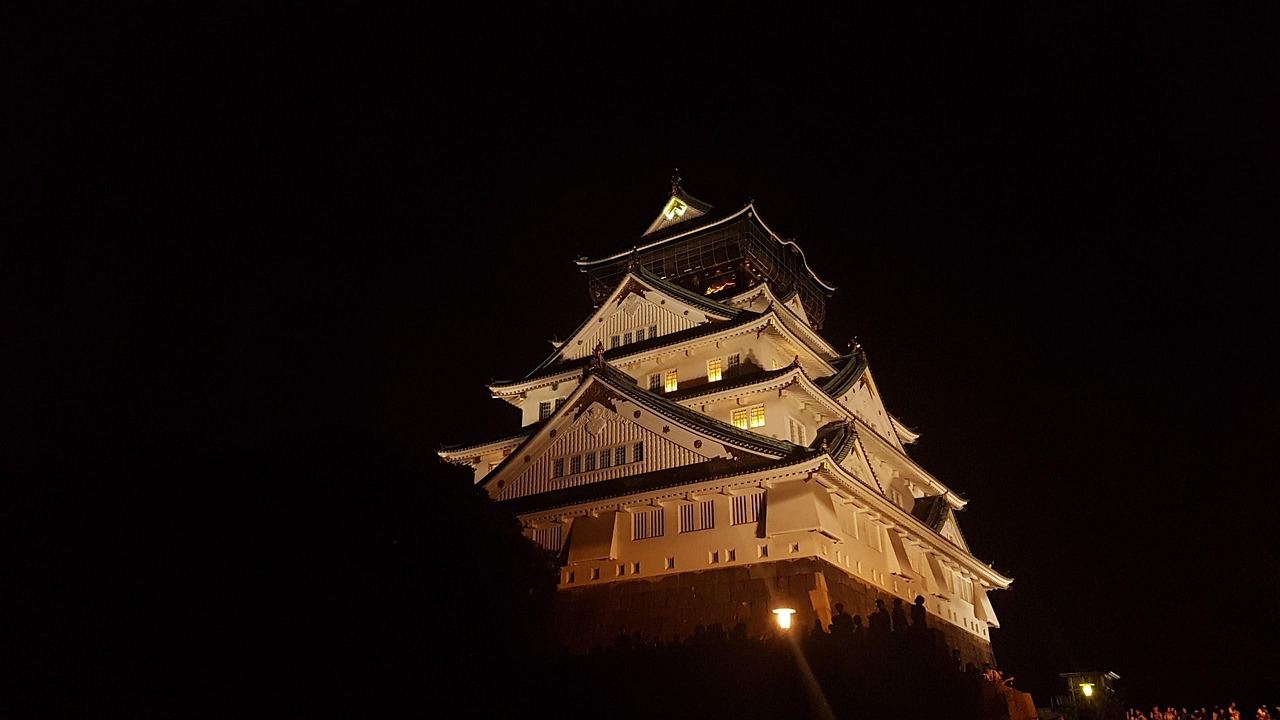
Japan · Japan's kitchen of street food, vibrant nightlife, and endless neon charm.
Known as the nation's kitchen, Osaka is beloved for its warm-hearted locals, sensational street eats, and electrifying entertainment hubs. It is the ultimate destination for foodies, urban wanderers, and pop-culture fans seeking an energetic contrast to traditional Japan. Its central spot also makes it a prime launching pad for exploring the Kansai region.
Spring from March to May and autumn from October to November provide the most comfortable weather for walking. These months showcase breathtaking cherry blossoms and fiery autumn leaves across the city's parks.
Cherry blossom season brings peak crowds, lively picnic parties, and higher accommodation rates.
Expect rainy conditions in June, high humidity, and the massive Tenjin Matsuri festival in late July.
A great time for comfortable urban exploration, scenic fall foliage, and seasonal street markets.
Fewer tourists and lower hotel rates, highlighted by brilliant holiday illuminations across Midosuji.
Stroll along the bustling canal lined with neon signs, gigantic mechanical billboards, and iconic food stalls.
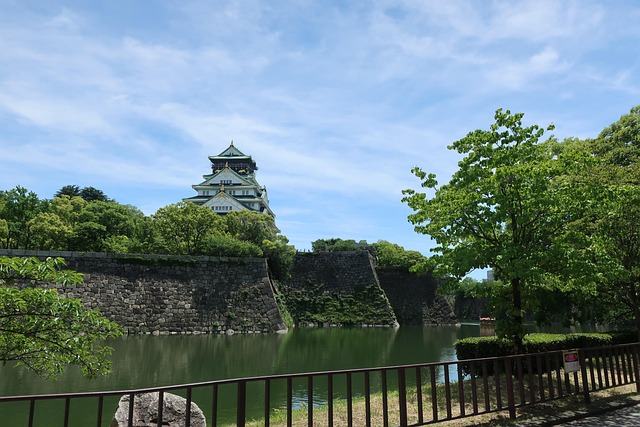
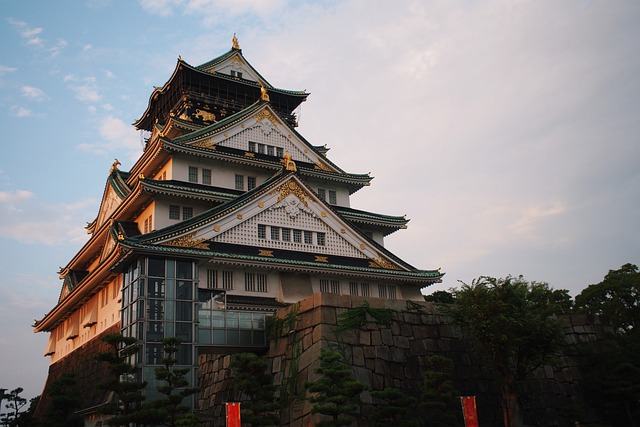
Explore this landmark historic fortress surrounded by stone ramparts, a wide moat, and tranquil park grounds.
Step into a retro neighborhood filled with old-school arcades, kushikatsu restaurants, and the Tsutenkaku Tower.
Sample fresh sashimi, grilled seafood skewers, and wagyu beef at this famous covered food market.
Ride the floating glass elevator up to the open-air Kuchu Teien Observatory for 360-degree skyline views.
Spend a thrill-packed day experiencing immersive worlds including Super Nintendo World and the Wizarding World.
Walk through a bustling covered shopping street packed with luxury fashion, souvenir shops, and local boutiques.
Discover one of the world's most impressive aquariums, centered around a massive Pacific Ocean tank with whale sharks.
The beating heart of southern Osaka, situated steps away from Dotonbori and filled with nonstop entertainment options.
See hotels in Namba →The primary transport hub with easy train connections to Kyoto, Kobe, and Tokyo, surrounded by gleaming department stores.
See hotels in Umeda (Kita) →A trendy district packed with fashion boutiques, stylish cafes, and easy walking access to the vibrant Amerikamura quarter.
See hotels in Shinsaibashi →A relaxed southern district offering affordable accommodation, easy airport transit, and lovely green spaces like Tennoji Park.
See hotels in Tennoji →Save cash by picking up convenience store breakfasts and buying an IC transit card for quick train discounts.
Tell us where you fly from and we'll find real prices.
Crispy, golden batter balls filled with tender octopus chunks and topped with sweet sauce, mayonnaise, and bonito flakes.
A hearty savory pancake packed with cabbage, pork slices, and seafood, grilled on an open flat-top griddle.
Skewered meats, seafood, and vegetables coated in light panko breadcrumbs and deep-fried to golden perfection.
Chewy wheat noodles served in a savory dashi broth and topped with a sweet piece of deep-fried tofu.
Grilled beef or pork offal seasoned with a rich garlic-miso glaze, popular in casual street grills.
From Kansai International Airport, the Nankai Rapi:t express train reaches Namba in under 40 minutes, while the JR Haruka connects directly to Tennoji and Umeda. Within the city, the extensive Osaka Metro system and the JR Osaka Loop Line make neighborhood transit quick and dependable. Simply load an IC transit card on your phone or purchase a physical card at station kiosks for seamless tap-and-go travel.
Three days is the sweet spot to see the highlights, sample the top food markets, and experience the nightlife. If you want to use the city as a base for day trips to Kyoto, Nara, or Kobe, consider staying five to seven days.
Osaka generally offers more varied nightlife, wider hotel options at better prices, and a relaxed food-centric atmosphere. Kyoto is quieter and steeped in historic temples, but the two cities are only 30 minutes apart by train, making transit between them simple.
Most transit hubs, major hotels, and popular attractions have signage and staff fluent in English. Locals are famously outgoing and willing to help using gesture or translation apps, even if their English is limited.
Osaka is exceptionally safe, with very low crime rates and well-lit pedestrian areas throughout the day and night. Solo dining is extremely common and welcomed at ramen shops, conveyor-belt sushi bars, and counter-service eateries.
Yes, the tap water in Osaka is completely safe to drink and meets high municipal purification standards. You can comfortably drink from hotel taps or refill your reusable bottle at public water stations.
AI-written guide, last updated 2026-10-08. Check opening times, prices and travel rules before you go. Photos: clsrnand, Webkims, leolevng on Pixabay.