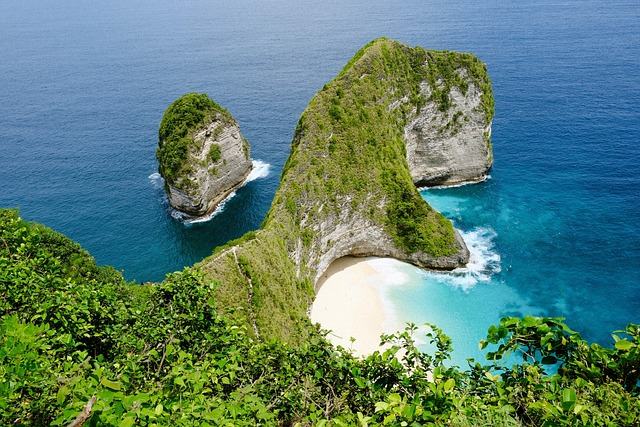
Planning your first trip to Bali is an exciting milestone, yet the sheer variety of landscapes and towns can feel overwhelming. From mist-shrouded volcanic ridges and emerald rice terraces to sun-drenched surf breaks, the island offers distinct worlds within a few hours' drive. This beginner-friendly guide walks you through the core highlights—cultural Ubud, idyllic coastlines, and ancient temples—so you can craft an unforgettable adventure in 2026.
How to Structure Your First Itinerary
First-time visitors often make the mistake of choosing a single hotel and attempting day trips across the entire island. Bali's roads are narrow and traffic can be slow, meaning cross-island drives consume hours of precious vacation time. A split-stay strategy offers a far more relaxed experience, allowing you to settle into two distinct environments without losing entire afternoons to gridlock.
For a standard ten-day to two-week holiday, divide your time evenly between the central uplands and the southern coast. Spending four or five nights in Ubud lets you explore cultural landmarks, arts villages, and mountain viewpoints in the cool morning hours. Afterwards, transferring to a beach base on the southern Bukit Peninsula or along the southwest coast gives you easy access to ocean sunsets, waterfront dining, and marine activities.
- Split stays between Ubud and the southern coast to minimize drive times.
- Plan for at least seven to ten full days to avoid rushing between destinations.
- Schedule travel days with sightseeing stops along the way to maximize efficiency.
Ubud: Jungles, Waterfalls, and Living Culture
Nestled in the lush hills of central Bali, Ubud serves as the artistic and spiritual heart of the island. Here, daily life revolves around intricate Hindu offerings, traditional dance performances, and community temple ceremonies. While the town center bustles with boutique cafes and craft shops, serene jungle valleys and quiet walking paths lie just minutes away.
Early mornings are the best time to experience Ubud before heat and day-trip crowds arrive. Take a peaceful walk along the Campuhan Ridge at sunrise for sweeping views of lush ravines, or wander through the Tegalalang rice terraces before tour buses pull in. Don't miss the Sacred Monkey Forest Sanctuary, but keep all loose items, sunglasses, and snacks securely zipped inside your bag to avoid curious macaques.
- Walk the Campuhan Ridge Trail early in the morning for cooler temperatures.
- Secure hats and phones inside zipped bags at the Monkey Forest.
- Attend an evening Legong or Kecak dance performance at Ubud Royal Palace.
- Visit nearby waterfalls like Kanto Lampo or Tibumana during weekday mornings.
The Southern Coast: Finding Your Ideal Beach Base
Bali's southern coastline is not one-size-fits-all, as each beach neighborhood caters to a distinctly different style of traveler. Seminyak offers upscale beach clubs, polished dining, and designer boutiques, making it popular for those who prefer modern amenities and energetic nightlife. Just north lies Canggu, a trendy hub known for surf cafes, co-working spaces, and lively sunset gatherings.
If dramatic limestone cliffs and turquoise swimming coves appeal more than flat sandy stretches, head further south to the Bukit Peninsula around Uluwatu. This region features world-class surf breaks, tucked-away beaches like Padang Padang and Bingin, and elevated cliffside bars. Sanur, situated on the quieter southeastern shore, provides calm shallow waters and a relaxed beachfront promenade ideal for families and travelers seeking slower rhythms.
- Choose Seminyak for fine dining, shopping, and high-end beachfront venues.
- Pick Canggu for modern cafes, boutique fitness studios, and surfing culture.
- Head to Uluwatu for cliffside vistas, dramatic ocean scenery, and white-sand coves.
- Select Sanur for calm swimming conditions and a tranquil seaside boardwalk.
Sacred Temples: Traditions and Essential Etiquette
Balinese temples, known locally as pura, are active centers of worship that reflect centuries of unique Hindu-Animist heritage. Visiting these sacred complexes offers a profound look into the island's spiritual fabric, provided you enter with mindfulness and respect. Two of the most celebrated coastal temples are Tanah Lot, perched on an offshore rock formation, and Uluwatu Temple, set dramatically atop high sea cliffs.
Modest attire is strictly required at all religious sites across the island, regardless of whether a ceremony is underway. Both men and women must wear a sarong and waist sash, which are typically rented or provided at temple ticket counters. Remember to keep voices hushed, never step on daily street offerings called canang sari, and refrain from walking directly in front of seated worshippers during prayer.
- Wear a sarong and sash whenever entering any temple complex.
- Never step over or tread on floral offering baskets placed on pathways.
- Watch sunset at Uluwatu Temple and book open-air Kecak dance tickets in advance.
- Visit water temples like Tirta Empul respectfully if participating in purification rituals.
Getting Around: Navigating Island Transportation
Navigating Bali requires realistic planning because public transportation is extremely limited and traffic congestion is common. For full-day explorations and moving between towns, hiring a private car with a licensed local driver remains the most convenient, comfortable, and cost-effective choice. Drivers act as informal guides, manage the challenging road conditions, and allow you to relax in air-conditioned comfort.
For short point-to-point journeys in urban centers like Seminyak, Canggu, or central Ubud, ride-hailing apps such as Grab and Gojek are widely used. While renting a motor scooter is popular among backpackers, it comes with genuine safety risks due to chaotic traffic and uneven roads. Only consider renting a scooter if you hold an international driving permit, have extensive riding experience, and carry insurance that explicitly covers motorized two-wheelers.
- Hire a private driver for full-day sightseeing excursions and hotel transfers.
- Use Grab or Gojek mobile applications for affordable short trips in built-up areas.
- Avoid renting a scooter unless you possess valid licensing, insurance, and riding skill.
- Allow generous buffer time when traveling between southern beach towns and the airport.
Practical Tips for First-Timers in 2026
Staying healthy and prepared will ensure your Bali getaway remains smooth from start to finish. Always drink bottled, filtered, or purified water rather than tap water, and use filtered water when brushing your teeth to avoid stomach troubles. Pharmacy clinics are plentiful in tourist hubs should you need minor medical advice, but high-coverage travel insurance remains essential for unexpected issues.
Indonesia's entry regulations and regional tourism levies can shift over time, so verify current visa and tax requirements several weeks before departure. While credit and debit cards are accepted in established hotels, beach clubs, and modern restaurants, smaller family-run warungs and rural markets require cash. Keep a stash of clean Indonesian rupiah notes on hand for daily purchases, temple entrance fees, and tipping.
- Confirm visa-on-arrival and regional tourist levy guidelines prior to travel.
- Stick to filtered drinking water and carry broad-spectrum mosquito repellent.
- Keep small denominations of Indonesian rupiah ready for markets and local warungs.
- Notify your home bank before traveling to prevent blocked international card transactions.
FAQ
How many days do I need for a first trip to Bali?
A stay of seven to ten days provides enough time to enjoy both cultural Ubud and a relaxing southern beach base. If you have two weeks, you can comfortably add a day trip to the offshore Nusa islands or explore the quieter northern highlands.
When is the best time of year to visit Bali?
The dry season between May and September brings the sunniest weather, lower humidity, and ideal sea conditions for swimming and diving. The wet season from November through March features brief daily downpours, fewer crowds, and lush green landscapes across the interior.
Is Bali safe for first-time international travelers?
Bali is generally very safe and welcoming, with low rates of violent crime against international visitors. The primary concerns are road accidents, strong ocean undertows at certain beaches, and occasional petty theft in crowded nightlife spots.
What should I wear when exploring the island?
Lightweight, breathable cotton or linen clothing works best for Bali's warm and humid tropical climate. Bring swimwear and casual resort wear for the coast, but carry modest shoulder-covering shirts and light pants or sarongs when touring inland temples and villages.
Plan it with TripPilot
Tell our AI where you want to go and get flights, hotels and a day-by-day plan.
Start planningWritten with AI help and checked for usefulness. Prices, opening times and travel rules change, so check before you go.