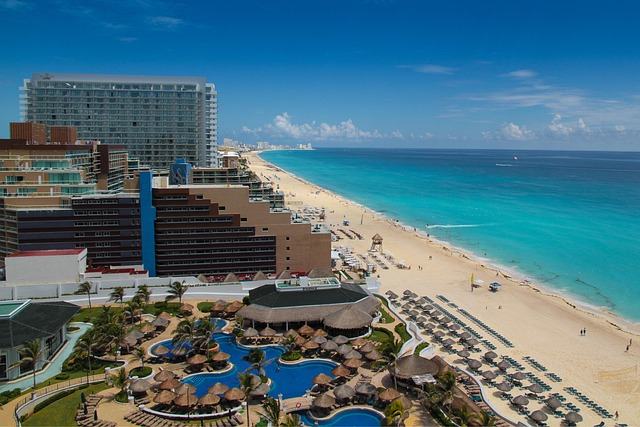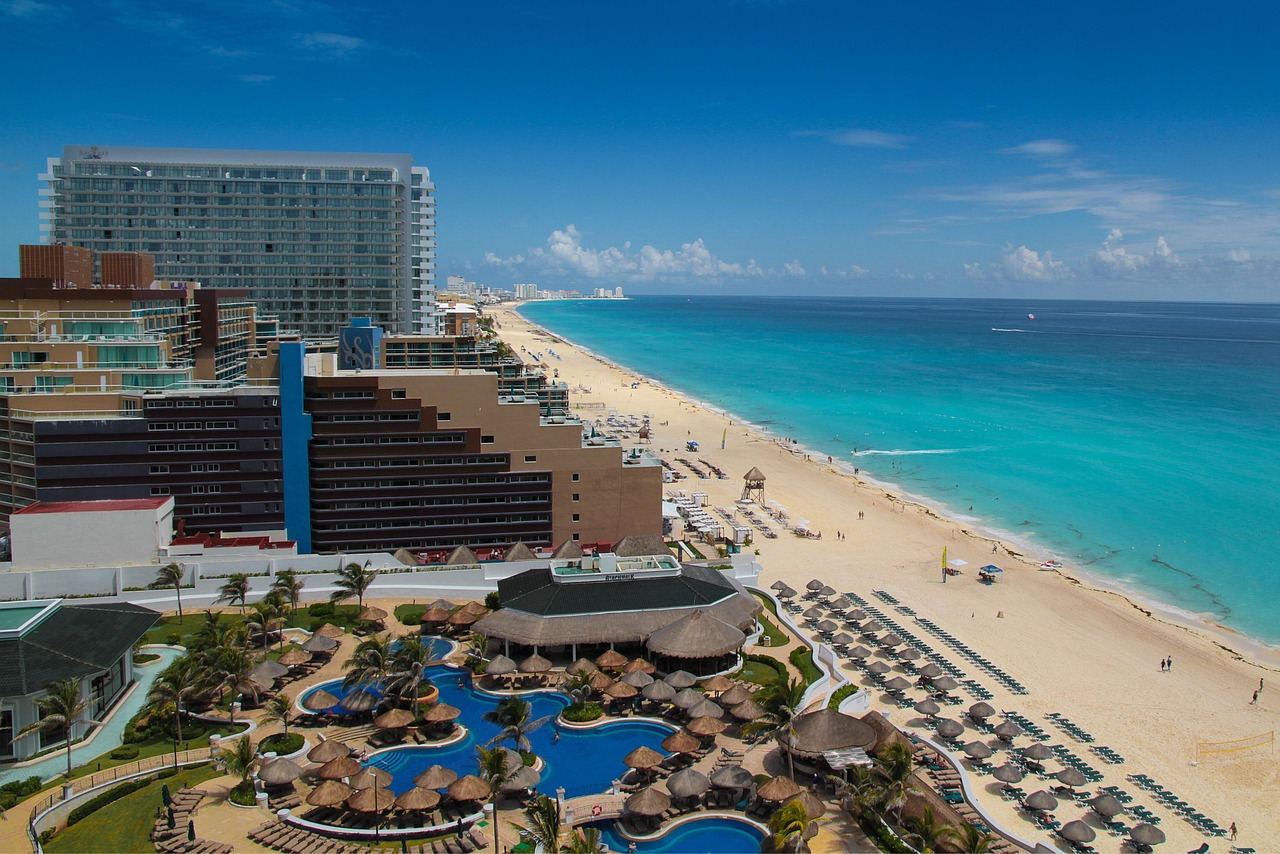
The best time to visit Cancun for most travelers is the dry season, December through April, when the Mexican Caribbean gets its most settled weather. The trade-off is that it's also the busiest stretch, with the Christmas holidays, spring break and Semana Santa all landing inside it. For better value, look at late April, May and November. Below you'll find each season, the official hurricane and sargassum facts, the dates that fill hotels and picks by goal. When your dates are set, Ask TripPilot's planner can build the day-by-day plan.
Quick answer: when to go to Cancun
Cancun is warm all year, so the real choice is between dry and busy or wet and cheaper. The Quintana Roo tourism board's Cancun destination page names the dry season, December to April, as the best time to visit.
The rest of the year brings more rain, more heat and humidity, and the Atlantic hurricane season. It also brings fewer crowds outside the summer school vacation and generally easier hotel availability. Pick your window by what matters most to you.
- Best weather: December to April, the dry season.
- Best balance of weather and value: late April after Easter, May, and November.
- Most crowded: the Christmas–New Year weeks, March spring break and Semana Santa.
- Most weather risk: late August through October, the core of hurricane season.
- Best for whale sharks: summer, with tours leaving from Holbox and the northern coast.
Dry season: December to April
This is the Cancun most people picture: sunny beach days, lower humidity than in summer and comfortable evenings. According to the tourism board's travel information page, the average annual temperature in the Mexican Caribbean is 79°F (26°C), and the average low drops to about 63°F (17°C) in January, so a light layer is handy for evening dinners and early boat trips.
Dry season is also the easiest time for day trips that keep you outdoors for hours, such as the ruins of Chichén Itzá or a sail to Isla Mujeres. Midday heat is milder than in summer, though you'll still want to start early.
The catch is demand. Winter is high season for travelers from the US, Canada and Europe, and it includes the year's three busiest holiday periods. If you're set on these months, book flights and hotels early and expect the popular beaches and tours to be at their fullest.
- Early December and the weeks between New Year and spring break are usually calmer than the holiday peaks.
- Pack a light sweater or jacket for January and February evenings.
- Book tours and restaurant reservations ahead for holiday weeks.
Rainy season: May to October
The tourism board puts Cancun's rainy season from May to October. The same page notes that the hottest months reach an average high of about 91°F (33°C), with April and August named as the peaks. Expect humid air, warm sea water and showers or storms that often roll through and clear rather than last all day.
May and June are popular with travelers who want lower demand without the peak of hurricane season. July and August get busier again because of summer school vacations in both the US and Mexico. September and October are typically the quietest and wettest months, and they overlap the most active part of the hurricane season.
The tourism board suggests packing a light sweater for the rainy months too, because temperatures tend to drop when it rains. A compact umbrella and quick-dry clothes will also earn their space in your bag.
- Plan beach time and ruins in the morning, before afternoon heat and storms build.
- Keep one flexible day in your plan for a rained-out boat trip.
- Pick a hotel with indoor or shaded spaces if you're traveling in September or October.
Hurricane season: official dates and how to plan
The official Atlantic hurricane season runs from June 1 to November 30. The National Hurricane Center's climatology page puts the season's peak around September 10, with most activity between mid-August and mid-October. Storms can occasionally form before or after the official dates.
Most trips during these months go ahead without trouble, and a storm doesn't need to make landfall to affect your plans. Rough seas can cancel ferries and snorkel tours, heavy rain can close attractions, and flights can be delayed or canceled. Planning for flexibility is the key.
- Choose refundable hotel rates and changeable flights for June through November.
- Consider travel insurance that covers weather disruption, and read what it excludes.
- Check the National Hurricane Center outlook in the week before you fly.
- If a storm threatens, follow instructions from your hotel and Mexican authorities.
- Set up flight price alerts so you can rebook quickly if plans change.
Sargassum season: what the official sources say
Sargassum is a floating seaweed that can pile up on Caribbean beaches, and how much arrives changes a lot from year to year. Mexico's Navy (SEMAR) reported collecting about 92,783 tonnes of it in Quintana Roo in 2025, a record, and the federal government said in July 2026 that this year's presence was 27 times the historical average. The government has kept its containment and cleanup strategy running year-round because of these heavy arrivals.
No one can tell you months ahead whether your beach will be clear on your dates. For a current picture, the federal biodiversity agency CONABIO runs SATsum, a satellite sargassum monitoring service with maps, regional alerts and a 10-day drift outlook. It notes that its satellite data can't detect sargassum within about 24 nautical miles (44 km) of the coast, so it isn't a beach-by-beach forecast. SEMAR also publishes daily sargassum bulletins with a color-coded alert level.
- Check SATsum and SEMAR's daily bulletins in the days before your trip, not months ahead.
- Isla Mujeres makes a good backup beach day if your stretch of coast is affected.
- If sargassum matters a lot to you, keep your hotel booking refundable.
Holidays and events that change crowds and prices
Cancun's busiest weeks follow both the US and Mexican school calendars. The Christmas–New Year period is the year's biggest peak. Mexico's Education Ministry (SEP) 2026–2027 school calendar sets the winter break from December 21, 2026, to January 5, 2027, which adds domestic travelers to the international crowds.
March is spring break for many US colleges and schools, and Cancun is one of the most popular spring break destinations, so the hotel zone gets lively and loud. Semana Santa (Holy Week) follows close behind: in 2027, Easter Sunday falls on March 28, and the SEP's spring break runs from March 22 to April 3, 2027. Quintana Roo's state government reported hotel occupancy of 80% to 85% across the state over Semana Santa 2026.
One more date to know if you plan to see Chichén Itzá: around the spring equinox, the site draws large crowds to watch light and shadow form a serpent on the main pyramid. Mexico's National Institute of Anthropology and History (INAH) ran a special visitor operation from March 20 to 22 in 2026.
- Book 2026–2027 holiday trips as early as you can, and expect higher rates.
- Want a quieter March? Avoid the spring break weeks and Holy Week, or stay outside the hotel zone.
- Visit Chichén Itzá on a weekday away from the equinox if you prefer smaller crowds.
Best time to visit Cancun by goal
There's no single best month for everyone. Use these picks to narrow your dates, then compare flights and hotels for the weeks you have in mind.
- Best weather: January to April, in the heart of the dry season and outside hurricane season.
- Best value: late April after Easter, May, and November, when you skip the main holiday peaks.
- Fewest crowds: September and October, if you're comfortable with hurricane-season planning.
- Best for families: dry season, with spring break weeks avoided, or June before the summer school rush.
- Best for whale sharks: summer. Mexico's environment ministry says they appear regularly near Holbox from May to September, and CONANP calls July and August the strongest months.
- Best for a beach-and-city trip: dry season, which also suits Mexico City (see below).
Month by month at a glance
Here's how the year breaks down, based on the official season dates above. Treat it as a guide to likely conditions, not a guarantee.
- January–February: dry, mild evenings, busy but calmer than the holidays.
- March–April: dry and warming up; spring break and Semana Santa bring the biggest crowds outside Christmas.
- May–June: the rainy season begins, crowds thin, and hurricane season starts June 1.
- July–August: hot and humid with summer school vacations; a good window for whale sharks.
- September–October: wettest and quietest, at the peak of hurricane season; book flexible.
- November–December: rain eases, hurricane season ends November 30, and holiday demand builds from mid-December.
How to plan your Cancun trip around the seasons
Start with your priority (dry weather, price or crowds), then pick your dates. Our Cancun travel guide covers areas to stay and the top sights, such as Playa Delfines and the Isla Mujeres catamaran tour. For more of the country, see the Mexico travel guide.
Want to add a city to your beach week? Our 4-day Mexico City itinerary also recommends the dry season, roughly late October to April, so a winter trip works well for both. Watch our travel deals for fares, then tell Ask TripPilot your dates, budget and who's coming for a day-by-day plan.
- Book holiday, spring break and Semana Santa trips early.
- For June to November, keep bookings refundable and watch the forecast.
- Check sargassum conditions a few days before you fly.
FAQ
What is the best month to visit Cancun?
For most travelers, the best months are in the dry season, from December to April, with January through early March often a sweet spot between the holiday and spring break peaks. You get the most settled weather and no hurricane risk. If price matters more, late April after Easter, May and November offer a good balance of weather and value.
When is hurricane season in Cancun?
Cancun is in the Atlantic basin, where hurricane season officially runs from June 1 to November 30. The National Hurricane Center puts the peak around September 10, with most activity between mid-August and mid-October. Many trips in these months go smoothly, but book refundable hotels and flexible flights, consider travel insurance and check the forecast before you fly.
When is sargassum season in Cancun?
Sargassum arrivals vary greatly from year to year, and recent years have been heavy, with a record amount collected in Quintana Roo in 2025. Mexico's government now runs cleanup efforts year-round. Nobody can forecast your beach months ahead, so check CONABIO's satellite monitoring service and SEMAR's daily bulletins in the days before your trip, and keep bookings flexible.
What is the cheapest time to visit Cancun?
The cheapest time to visit Cancun is usually the rainy and hurricane season, especially September and October, when demand is lowest. For better weather with good value, try late April after Easter, May or November. Avoid the Christmas–New Year weeks, spring break and Semana Santa, which are the busiest and most expensive times of the year.
Is Cancun crowded during spring break?
Yes. March is spring break for many US colleges and schools, and Cancun's hotel zone gets very busy and lively. Semana Santa often follows soon after, adding Mexican travelers; in 2027, Mexico's school break runs from March 22 to April 3. For a quieter trip, choose January, February or late April, or stay outside the hotel zone.
Plan it with TripPilot
Tell our AI where you want to go and get flights, hotels and a day-by-day plan.
Start planningSources
Written with AI help and checked for usefulness. Prices, opening times and travel rules change, so check before you go. Photos: jarmoluk on Pixabay.