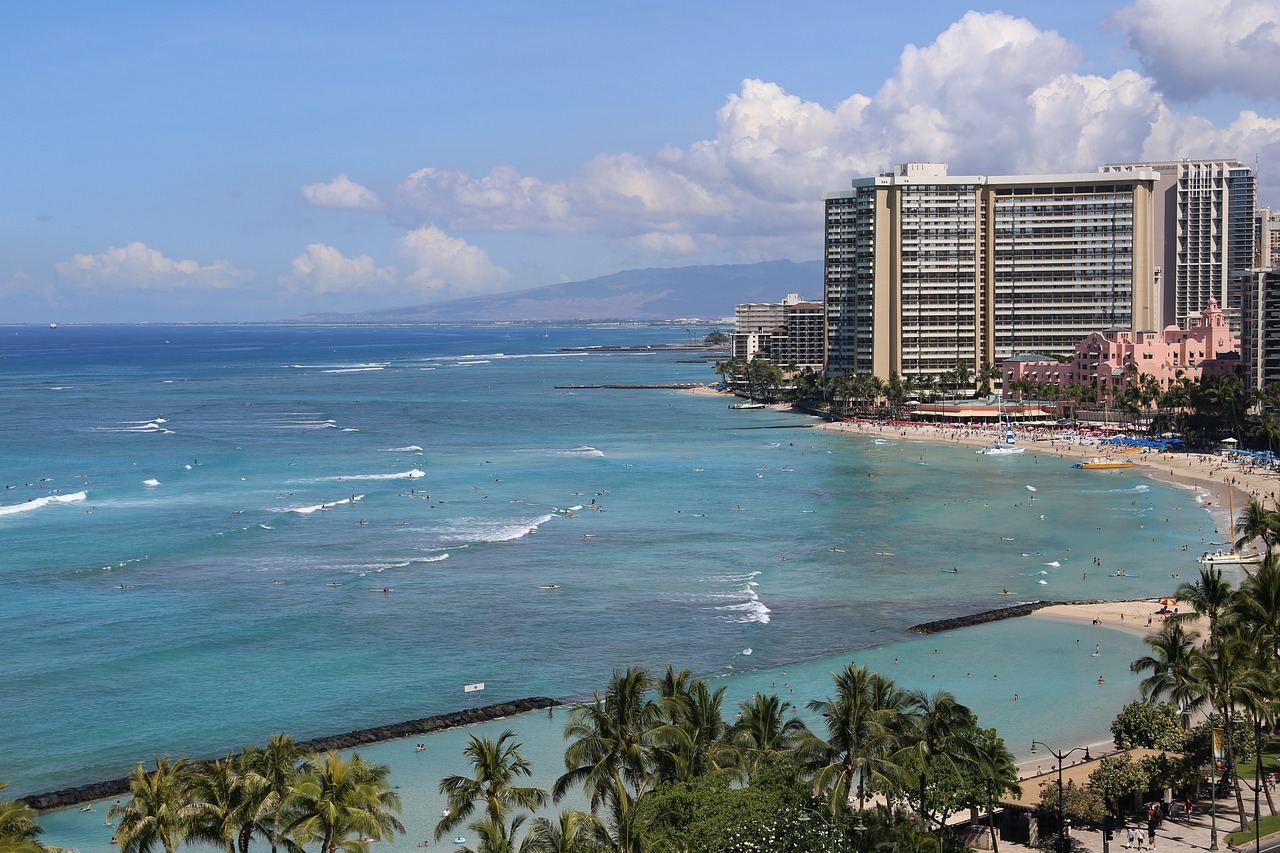
The best time to visit Hawaii for most travelers is spring (April and May) or fall (September and October): the weather is warm, the winter rains have eased or not yet arrived, and you avoid the biggest holiday rushes. Winter is the pick if you want humpback whales and big North Shore surf. Summer is the driest season on the leeward coasts but also the busiest with families. Below you'll find what each month is like, how the islands differ, and the dates worth planning around. When you have your dates, Ask TripPilot's planner can turn them into a day-by-day plan.
Quick answer: which season suits your trip
Hawaii's weather is steady year-round, so there is no truly bad month to go. The Hawaii Tourism Authority describes two seasons: summer (kau) from May to October and winter (ho'oilo) from November to April. It puts the average daytime summer temperature at sea level at 85°F (29.4°C) and the winter average at 78°F (25.6°C).
What changes more than temperature is rain, surf, wildlife and crowds. Pick your season by what matters most to you.
- Best overall: April–May and September–October, between the winter rains and the summer and holiday peaks.
- Best for whale watching: winter, roughly December through March, inside the November–May season.
- Best for calm snorkeling on south and west shores: summer.
- Best for watching big-wave surfing: winter on north-facing shores.
- Most crowded: the Christmas–New Year holidays, spring break and the summer school vacation.
Month by month: what each part of the year is like
Think of the year in five chunks rather than twelve separate months. Temperatures shift only a few degrees from one month to the next, so the real differences come from rain, ocean conditions and who else is traveling.
- January–March: the heart of winter. Expect the wettest weather of the year, especially on windward coasts, plus the best whale watching and the biggest north-shore swells. Mid-March brings spring-break crowds.
- April–May: a sweet spot. Rain tapers off, whales are still around early on, and the islands are quieter between spring break and summer. May is officially the start of the summer season.
- June–August: warm, dry on the leeward side and busy with family vacations. North shores usually calm down, which opens up more snorkeling spots. Hurricane season starts June 1.
- September–October: summer warmth with fewer people once school is back. This is the middle of hurricane season, so buy flexible fares and watch forecasts. Winter rains can begin in October.
- November–December: the winter pattern returns, with more showers and the first larger north swells. Whales start arriving in November. Early December can be fairly quiet; the last two weeks of the year are among the busiest.
The best time to visit by island
Every island shares the same broad seasons, but each has its own highlights that tilt the best timing one way or another. If you're splitting time between islands, plan around the one with the most timing-sensitive activity, such as whale watching on Maui or a sunrise at Haleakalā.
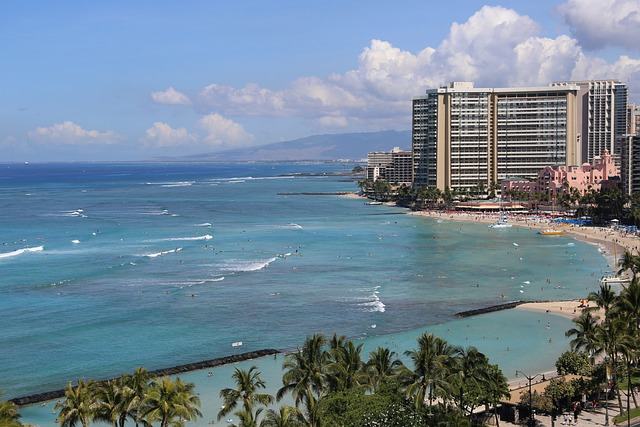
- Oahu: good year-round, and the easiest island for a first trip. Base yourself in Honolulu and visit the North Shore in winter for surf watching or in summer for calmer water. Leeward spots such as Waikiki Beach stay relatively dry even in winter.
- Maui: winter is prime for whale watching from shore and by boat. For sunrise at Haleakalā, the National Park Service requires a reservation for each vehicle entering the park between 3 a.m. and 7 a.m., released on Recreation.gov up to 60 days ahead.
- Big Island (Hawai'i): the island with the widest range of climates. Kīlauea's summit in Hawai'i Volcanoes National Park sits at about 4,000 feet and can be rainy and chilly any time of year, so pack a rain jacket and layers whatever month you go.
- Kauai: lush, green windward and north coasts that see plenty of winter rain. Late spring and summer usually give you the best odds of dry hiking trails and calm water along the north shore; winter brings surf to Hanalei Bay.
Weather and rain: windward versus leeward
Where you stay on an island matters as much as when you go. Northeast trade winds push clouds against the mountains, so windward (north and east) coasts are greener and wetter, while leeward (south and west) coasts sit in a rain shadow and get far more sun.
According to the National Weather Service in Honolulu, Hawaii's heaviest rains come from winter storms between October and April. Leeward and other dry areas get most of their rain from a few of those winter storms, which is why their summers are dry. Rain in a wet month often falls as short showers, so a winter trip rarely means a washed-out week.
Ocean temperatures stay pleasant all year. The Hawaii Tourism Authority gives an average water temperature of 74°F (23.3°C), with a summer high of 80°F (26.7°C).
- Want the most sun in winter? Stay on a leeward coast, such as Waikiki on Oahu or the west sides of Maui and the Big Island.
- Planning a rainforest or waterfall hike? Windward trails are lush year-round, but muddiest from October through April.
- Heading up a volcano? Summits run much cooler than the beach; at Haleakalā, conditions before dawn are regularly wet, windy and below freezing.
Whale season: November to May
Humpback whales migrate to Hawaii every winter to breed, calve and nurse their young. The Hawaiian Islands Humpback Whale National Marine Sanctuary says the season generally runs from November through May, though a few whales may be seen in other months.
If whales are the main reason for your trip, aim for the middle of the season rather than its edges. You can look for spouts from shore on every main island, as well as on boat tours.
- Bring binoculars and scan the water from elevated lookouts in the morning, when the sea is often calmer.
- Book boat tours with operators that follow sanctuary viewing guidelines; federal rules prohibit approaching humpbacks within 100 yards.
- Late-season trips in April can still deliver sightings, with fewer crowds than February.
Surf season: big winter swells, calmer summers
In winter, storms far to the north send large swells to Hawaii's north-facing shores. Oahu's North Shore becomes a stage for big-wave surfing, and watching from the beach is a great free day out. The same swells make those beaches dangerous for swimming, so the state's ocean safety officials advise inexperienced surfers and swimmers to stay out of the water during high surf.
In summer, the pattern flips: north shores usually calm down, while south shores pick up smaller swells that suit beginner surf lessons. If you want gentle snorkeling, summer is the easier season on most coasts, and a sheltered bay such as Hanauma Bay Nature Preserve on Oahu is a good bet year-round when conditions allow.
- Always check posted warning signs and ask lifeguards before you swim.
- If waves are too big on one beach, a sheltered beach on another side of the island is often calmer.
- Never turn your back on the ocean on a big-surf day.
Crowds and prices: when to avoid the rush
Hawaii is busiest when mainland schools are out. The Christmas and New Year weeks usually bring the highest demand for flights and rooms, followed by spring break in March and the June–August family vacation season. Popular sights, rental cars and restaurants book up during those windows.
For fewer people, look at the shoulder months: late April through May, and September through mid-December (outside Thanksgiving week). You still get warm weather, and flights and hotels are often easier to find. Prices change constantly, so compare a few date ranges before you book.
- Book flights, cars and any timed-entry reservations early if you're traveling over the holidays or spring break.
- On Oahu, go early in the day to busy sights like Diamond Head State Monument and check its official page for current entry rules.
- Midweek travel days are often less hectic than Saturdays and Sundays.
Hurricane season: what it means for your trip
The Central Pacific hurricane season officially runs from June 1 to November 30, according to NOAA's Central Pacific Hurricane Center, which also notes that tropical cyclones can occur at any time. Direct hits on the islands are uncommon, and most summer and fall trips are unaffected, but storms passing nearby can bring heavy rain, high surf and flight changes.
You don't need to avoid these months, which include some of the best-value weeks of the year. Just plan a little more carefully.
- Choose refundable or changeable flights and hotels for trips between June and November.
- Consider travel insurance that covers weather disruption.
- Follow the National Weather Service forecasts and any local emergency alerts during your stay.
How to plan your Hawaii trip around the seasons
Start with your non-negotiable: whales, surf, the driest weather or the lowest crowds. That narrows your months. Then choose your island and which side of it to stay on, since a leeward base can make a winter trip feel much sunnier.
For a ready-made route, our 7-day Hawaii itinerary shows how to pace a week. Then tell Ask TripPilot your dates, budget and who's coming, and you'll get a day-by-day plan that fits the season you picked.
- Book Haleakalā sunrise reservations as soon as your window opens.
- Pack layers and a rain jacket for summits and windward hikes, whatever the month.
- Check official park and state pages for current closures shortly before you go.
FAQ
What is the best time to visit Hawaii?
For most travelers, April–May and September–October are the best months. The weather is warm, the winter rainy period has eased or not yet begun, and crowds are lighter than during the holidays, spring break or summer vacation. Choose winter instead if humpback whales or big-wave surf are your priority, since both peak in the cooler months.
Is December a good time to visit Hawaii?
Yes, especially for whale watching and surf watching. December falls in the winter season, with average daytime temperatures around 78°F (25.6°C) and more frequent showers on windward coasts. The first half of the month is often quieter, while the Christmas and New Year weeks are among the busiest and most expensive of the year, so book early.
When is hurricane season in Hawaii?
The Central Pacific hurricane season runs from June 1 to November 30, though NOAA notes storms can form at any time. Direct hits on the islands are rare, but nearby storms can bring heavy rain, high surf and flight disruptions. If you travel in summer or fall, book flexible fares and keep an eye on National Weather Service forecasts.
What is the best time to visit Hawaii to avoid crowds?
Late April through May and September through mid-December, outside Thanksgiving week, usually see the fewest visitors. These shoulder periods fall between spring break, summer school vacations and the year-end holidays. You still get warm weather, and finding flights, rental cars and rooms is often easier than in peak weeks.
What is the best time to visit Maui?
Winter, from December through March, is the best time to visit Maui for humpback whales, which are in Hawaiian waters from November through May. For drier weather and fewer people, try April–May or September–October. Whatever the month, reserve a Haleakalā sunrise slot in advance and bring warm layers, because the summit is often below freezing before dawn.
Plan it with TripPilot
Tell our AI where you want to go and get flights, hotels and a day-by-day plan.
Start planningSources
Written with AI help and checked for usefulness. Prices, opening times and travel rules change, so check before you go. Photos: cmaranski on Pixabay.