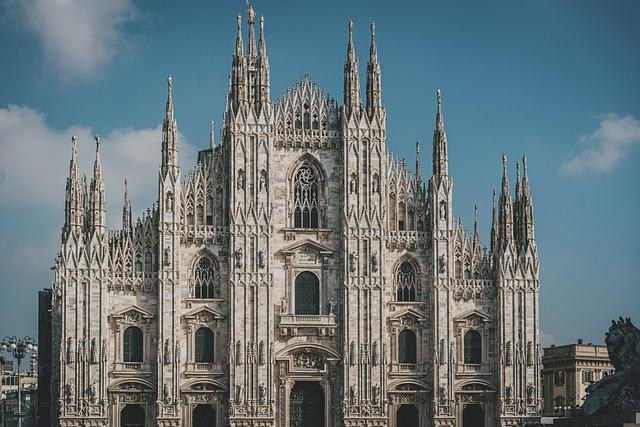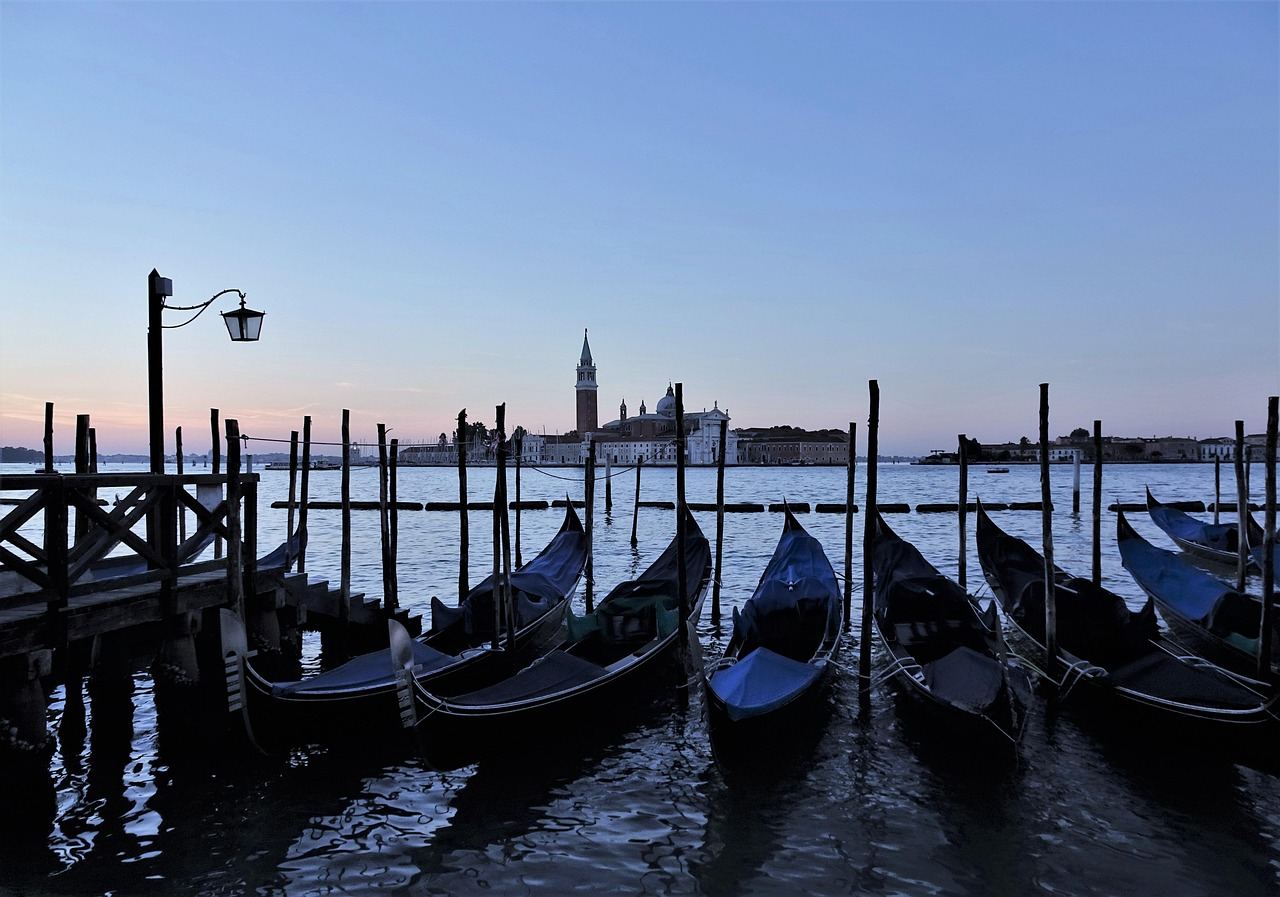
The best time to visit Italy, for most first trips, is spring (April to early June) or fall (September and October). You get mild days for walking the cities, longer evenings than in winter, and fewer crowds than in July and August. Summer suits beach trips if you can handle heat and full trains, and winter rewards you with quiet museums and Venice Carnival. Below you'll find what each season really looks like, which dates to plan around, and how to match the timing to your route. When you have your dates, Ask TripPilot's planner can build the day-by-day plan.
The Quick Answer: Aim for the Shoulder Seasons
If you only remember one thing, make it this: book for April, May, late September or October. These shoulder months give you the best balance of weather, daylight and crowds across most of the country.
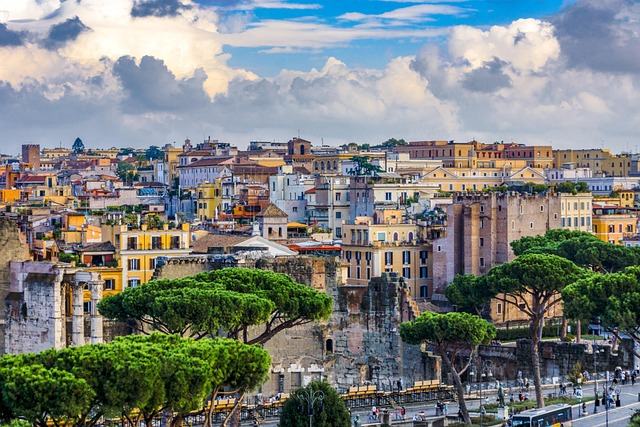
Rome's official tourism office says it plainly: its climate guide calls spring and autumn the best time to visit the city, when temperatures are mild and the days are longer. The same page notes that heat builds in July and August and recommends proper sun protection from June through September.
Summer is still the right call for some trips. If your plan is mostly beaches, islands and swimming, June through early September is when the coast is fully open. Winter works if you care more about museums and prices than sunshine.
- Best overall: April to early June and September to October.
- Best for beaches: late June to early September.
- Best for fewer crowds and lower hotel rates: November to March, outside the holidays.
- Toughest month for crowds and heat: August.
Spring in Italy (March to May): Gardens, Easter and Long Weekends
Spring is when Italy wakes up. Gardens and parks start to bloom, outdoor café tables come back, and you can walk from one sight to the next without hunting for shade. In Rome, Florence and Venice, this is prime time for long sightseeing days.
The catch is the holiday calendar. Italy's official tourism site lists Easter Monday, April 25 (Liberation Day), May 1 and June 2 (Republic Day) among its public holidays. When one of these lands next to a weekend, Italians travel too, so trains, hotels and day-trip spots fill up fast.
Easter week is especially busy in Rome, with pilgrims adding to the usual visitors. If your dates are flexible, aim for the weeks between the big holidays, such as mid-April after Easter or the second half of May.
March can be changeable, with some rainy days, but it's a good month for city breaks with fewer people. By late May, the coast starts warming up and the first beach days arrive in the south.
- Book Easter week and the late-April and early-June long weekends early.
- Pack layers: mornings and evenings stay cool even when afternoons feel warm.
- Reserve timed tickets for the big museums, since spring demand is high.
Summer in Italy (June to August): Beaches, Heat and Ferragosto
Summer is peak season. Days are long and the coast is in full swing, but the big cities get hot, and lines at the main museums are at their longest. Rome's tourism office flags July and August as the hottest months, so plan outdoor sights for early morning and save midday for museums, lunch or a rest.
August deserves its own warning. August 15 is Ferragosto, the Assumption holiday, which appears on Italy's list of public holidays. Around this date many Italians take their own vacations and head to the sea or the mountains. Expect packed beaches and full ferries, while some family-run shops and restaurants in the cities close for part of the month.
For a city trip, June is the most comfortable summer month: it's warm rather than scorching, and school holidays haven't fully kicked in. If you must travel in July or August, build your days around early starts and evening walks, and choose hotels with air conditioning.
- Book coastal hotels and ferries months ahead for July and August.
- Carry a refillable water bottle and plan shade breaks in the afternoon.
- Check whether restaurants you want to try close for an August break.
Fall in Italy (September to November): Harvest Season and Mild Days
Fall may be the best-kept secret of Italian travel, except that more people find out about it every year. September still feels like summer, especially on the coast, but the crowds thin after the first week or two. October brings softer light, grape and olive harvests in the countryside, and comfortable walking weather.
Rome has a word for its bright, warm autumn spells: the ottobrata, a fine October day that feels almost like a second summer. It's a good time to explore ancient sites and parks without the summer heat. Our 3-day Rome itinerary fits neatly into an October long weekend.
November is quieter and wetter. Rome's climate guide notes that most of the city's rain falls in November and February. November 1, All Saints' Day, is also a public holiday, so expect some closures that day.
- September: late-summer warmth, good for combining cities and coast.
- October: harvest season, mild days and thinner crowds.
- November: the start of low season, with more rain and lower prices.
Winter in Italy (December to February): Quiet Museums and Carnival
Winter is the most underrated season in Italy. Rome's tourism office says the city has only a few really cold days, mostly in December and January, and temperatures there rarely fall below freezing. The north is colder, and the Alps above Milan turn into ski country.
You trade short days and the odd rainy spell for empty galleries, easy restaurant tables and lower hotel rates. The exception is the Christmas and New Year period, when Italians travel to see family and cities fill up again.
Venice Carnival is the big winter event. The official Carnival site lists the 2027 edition from January 23 to February 9, 2027. Venice gets very busy on Carnival weekends, so book your hotel early if you want to see the masks and parades.
- Best winter months for low prices: January (after Epiphany) and February outside Carnival.
- Pack a warm coat and waterproof shoes, especially for Venice and the north.
- Check closing times: many sites close earlier in winter.
The Best Time to Visit by Region
Italy is long, and the right month depends on where you're going. Here's how timing shifts from north to south.
The north (Milan, the lakes and the Alps): Milan works year-round for a city break, but the lakes are at their best from late spring to early fall, when boats run more often and lakeside gardens are open. Winter is for skiing in the Alps rather than lake hopping.
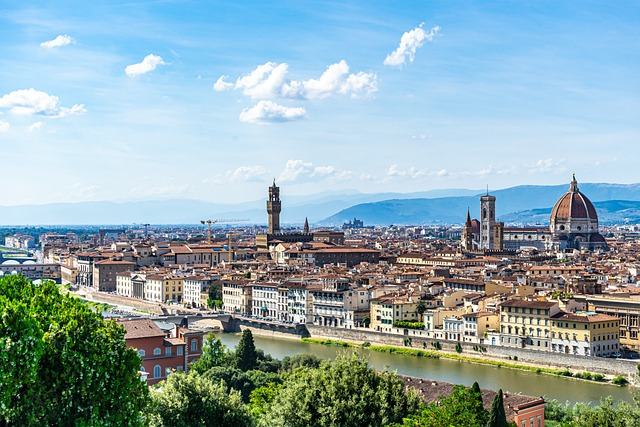
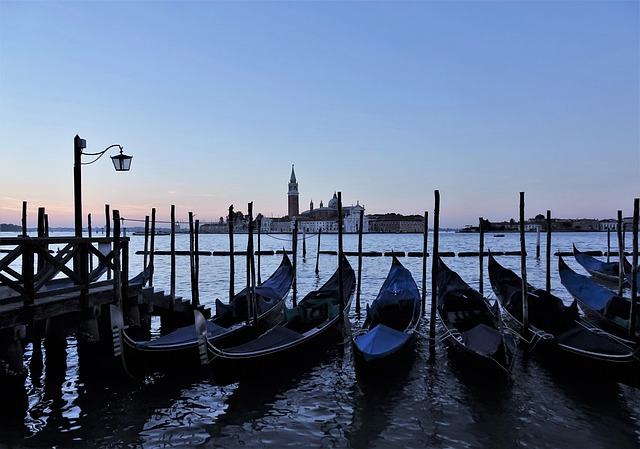
The classic cities (Rome, Florence, Venice): Spring and fall are the sweet spots. Florence gets very hot in August, so plan museum mornings and evenings in the Oltrarno. See our Florence guide for neighborhoods and sights. Venice is lovely in fall and winter, though the lagoon can flood at times during these months, so check local alerts.
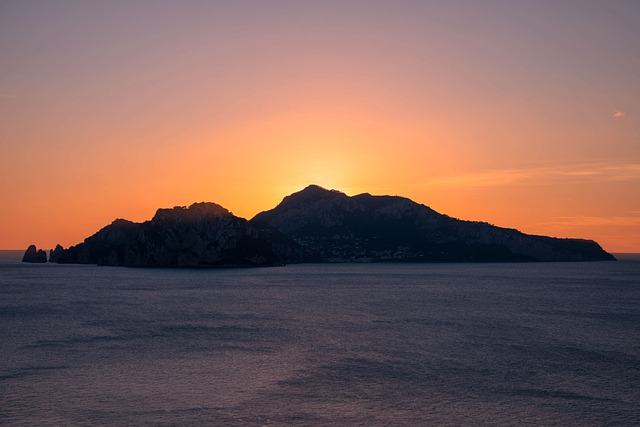
The south (Naples and the Amalfi Coast): Naples is a good base all year, but the Amalfi Coast is seasonal. Late May, June and September give you warm sea and open hotels without the August crush. In winter, many coastal hotels and ferry routes slow down or close.
The Cinque Terre: The trails and villages are best in spring and fall, when hiking is comfortable. In summer, the narrow trains and paths get crowded, and in heavy rain some trails can close, so check conditions before you set out.
Crowds, Prices and When to Book
Prices in Italy follow the crowds. Hotels charge the most in summer on the coast, around Easter in Rome, and during big events like Venice Carnival. The cheapest stretches are usually January to March (outside Carnival) and November.
To keep costs down in high season, book early, stay a few train stops outside the busiest centers, and travel midweek. Long weekends around the public holidays are when domestic travelers add to the international crowds.
Booking windows matter too. For shoulder-season trips, aim to lock in hotels and timed museum tickets two to three months ahead. For August on the coast, start even earlier.
- Travel midweek to avoid weekend day-trippers.
- Start the day early at the most popular sights, before tour groups arrive.
- Check the holiday calendar before you fix your dates.
Free Museum Sundays and the Venice Access Fee
Two date-specific rules can change your plans. The first is a perk: under the Ministry of Culture's Domenica al Museo program, state museums and archaeological parks offer free admission on the first Sunday of each month. Some sites require advance booking, and the free days draw big crowds, so expect long lines.
The second is Venice's day-tripper fee. According to the Venice Access Fee portal, the 2026 trial ran on set days from April 3 to July 26, 2026, and the fee no longer applies after that. In 2026 it cost €5 if you paid by the fourth day before your visit and €10 after that. Overnight guests didn't pay but registered for an exemption. Venice hasn't announced plans for 2027 yet, so check the portal before a spring or summer trip.
Our Venice guide covers the main sights and where to stay, which matters if you want to sleep in the city and skip day-tripper crowds.
How to Plan Your Trip Around the Seasons
Once you've chosen your month, pick a route that fits it. For a first trip in spring or fall, our 7-day Rome, Florence and Venice itinerary covers the three classic cities by high-speed train.
With more time, the 10-day Italy itinerary adds a Siena day trip and two days in the Cinque Terre, which work best from late spring to early fall. For a broader look at regions and cities, start with our Italy country guide.
Then match the details to the season: early starts in summer, rain gear in November, a warm coat in January, and timed tickets in every month.
FAQ
What is the best month to visit Italy?
May and September are the best all-around months to visit Italy. Both bring mild weather for city sightseeing, warm days on the coast, and fewer crowds than July and August. October is a close third for cities like Rome and Florence. Avoid the weeks around Easter and Ferragosto (August 15) if you want quieter sights and better hotel rates.
What is the cheapest time to go to Italy?
The cheapest time to go to Italy is usually from January to March, outside Venice Carnival, and in November. Hotel rates drop, museums are quieter and restaurant tables are easier to get. The trade-off is shorter days, more rain in November and February, and some coastal hotels and ferry routes closing for the winter season.
Is August a good time to visit Italy?
August is a hard month for city sightseeing in Italy. It's one of the hottest months, the main sights are crowded, and around Ferragosto on August 15 many Italians go on vacation, so beaches fill up and some city shops and restaurants close. It works for a beach trip if you book early, but spring and fall are better for cities.
Do you need to pay to enter Venice?
Right now, no. Venice's 2026 access fee trial ran on set days from April 3 to July 26, 2026, and charged day-trippers €5 or €10 depending on when they paid. Overnight guests were exempt but had to register. The city hasn't confirmed plans for 2027, so check the official Venice Access Fee portal before a spring or summer trip.
When are museums free in Italy?
State museums and archaeological parks in Italy are free on the first Sunday of each month under the Ministry of Culture's Domenica al Museo program. Some sites require you to book ahead, even for free entry. Expect larger crowds on those Sundays, so arrive early or pick a weekday visit if you'd rather pay and skip the lines.
Plan it with TripPilot
Tell our AI where you want to go and get flights, hotels and a day-by-day plan.
Start planningSources
Written with AI help and checked for usefulness. Prices, opening times and travel rules change, so check before you go. Photos: France58 on Pixabay.