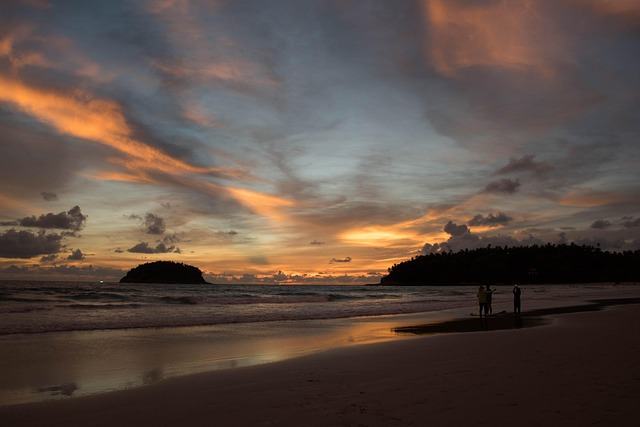
The best time to visit Puerto Rico depends on what you trade: weather, price or crowds. December to April is the high season, with pleasant temperatures and lower humidity, and it is the busiest and priciest stretch. For most travelers, the sweet spot is mid-April through May, right after high season ends and before hurricane season starts on June 1, with June a close second. Below, you get the seasons, the hurricane facts, bio bay timing and a month-by-month summary. When your dates are set, build the trip in Ask TripPilot's planner.
The quick answer
Puerto Rico is warm all year. According to Discover Puerto Rico's weather guide, the island averages about 80°F (27°C), with typical temperatures between 70°F and 85°F (21°C to 29°C). The hottest months run from June to October.
That same official guide calls December to April the high season, thanks to pleasant temperatures and lower humidity. From May to November, you can expect lower rates in exchange for more heat and more rain. The Atlantic hurricane season overlaps most of that window, from June 1 to November 30.
Put those facts together and you get three simple choices. Go in winter if comfortable weather matters most and you're happy to pay for it. Go from mid-April through May if you want a good balance of weather and price, without hurricane season. Go from June to November if price matters most, and plan your trip so a storm can't ruin it.
- Best weather: December to April (high season).
- Best balance: mid-April through May, with June close behind.
- Lowest rates: May to November, with more heat and rain.
- Hurricane season: June 1 to November 30, with the Atlantic peak around September 10.
Peak season: December to April
Winter is when most mainland travelers want a warm escape, and Puerto Rico delivers. Humidity is lower, temperatures sit in that comfortable 70s-to-80s range, and you're outside hurricane season entirely. It's the easiest time to plan a trip that leans on beaches, the El Yunque rainforest and long walks through Old San Juan.
The trade-off is cost and competition. Because this is the high season, you should book flights, hotels, rental cars and popular tours early, especially around Christmas, New Year's and the spring break weeks. If you're planning the Vieques or Culebra ferry or a bio bay tour, reserve those as soon as your dates are firm.
Peak season also brings the island's biggest street party in January (more on that below), which can fill Old San Juan hotels for that weekend. If you want winter weather without festival crowds, plan around those dates.
- Book hotels and rental cars early for late December through early January.
- Expect the most competition for tours, ferries and restaurant tables.
- Pack light layers for breezy evenings and cooler mountain areas.
Shoulder season: mid-April through June
Once the high season winds down in April, the island stays warm and beach-ready, but demand eases. Discover Puerto Rico notes that the May to November period brings lower rates, so the weeks right after Easter are often when you start to see value.
May is the standout month for many travelers. You're past the winter crowds, you're still outside the official hurricane season, and the hottest stretch of the year hasn't fully arrived. It's a strong pick for a first trip, a honeymoon or a beach-focused week.
June sits inside hurricane season from its first day, but it falls well before the season's peak around September 10. If you travel in June, it's worth choosing refundable bookings and travel insurance, but you don't need to rule the month out.
- Check whether your dates fall over Easter week, which can still be busy.
- Expect warmer, more humid days than in winter.
- Plan beach time and hikes for the morning, when it's cooler.
Hurricane season and how to plan around it
The official Atlantic hurricane season runs from June 1 to November 30. According to the National Hurricane Center's climatology page, activity peaks around September 10, which is why late August through October is the period most travelers approach with the most caution.
Discover Puerto Rico points out that highly destructive storms are not especially common. Still, a tropical storm doesn't have to make landfall to disrupt your trip. Heavy rain can close trails, rough seas can cancel ferries, and flights can be delayed or rerouted.
If you travel between June and November, a little planning goes a long way. The goal is a trip you can shift or cancel without losing much money.
- Choose refundable hotel rates and flexible airfares where you can.
- Consider travel insurance that covers weather-related cancellations, and read what it excludes.
- Watch the National Hurricane Center outlook in the week before you fly.
- Keep island-hop days (Vieques, Culebra) flexible, since ferries depend on sea conditions.
- Avoid booking a tight connection on your last day, in case of weather delays.
Bioluminescent bays: time your trip by the moon
Puerto Rico has three bioluminescent bays, and seeing one glow is a highlight of many trips. Discover Puerto Rico's bio bay guide places them in Vieques (Mosquito Bay), Fajardo (Laguna Grande, technically a lagoon and the closest to San Juan) and Lajas (La Parguera).
The single most useful timing tip has nothing to do with the season. The official guide advises you to watch the moon phase and try to avoid the full moon, because the darker the night, the better the glow. Mosquito Bay was named the brightest bioluminescent bay in the world by Guinness in 2006, and swimming isn't allowed there. La Parguera is the one bay that allows swimmers on most nights.
So whatever month you choose, check a moon calendar before you lock in your bio bay night. A new moon or thin crescent beats a full moon every time.
- Book the bio bay tour on a night near the new moon.
- Keep a backup night in case weather or wind cancels the tour.
- Pick Laguna Grande if you're based in San Juan and short on time.
Festivals worth planning around
The biggest date on the calendar is the Fiestas de la Calle San Sebastián in Old San Juan. According to Discover Puerto Rico's festival page, it marks the unofficial end of the island's long holiday season, and it usually runs Thursday to Sunday over the third weekend of January. During the festival, Old San Juan fills with live music, dancing and street performances.
If you love a party, plan your winter trip around it and book your hotel early. If you'd rather explore the old city's forts and streets in peace, avoid that weekend and pick another week in January or February. Official dates for each year are posted by the organizers, so confirm them before you book.
- Festival timing: usually the third weekend of January, Thursday to Sunday.
- Expect closed streets and heavy crowds in Old San Juan that weekend.
Crowds and prices by season
Crowds and prices in Puerto Rico follow the mainland calendar closely. Winter holidays and spring break bring the most visitors, and the high season from December to April carries the highest rates.
From May to November, Discover Puerto Rico says you can expect lower rates. That makes summer and fall the easiest time to find a deal on hotels, as long as you're comfortable with more heat, more rain and the hurricane season trade-offs above.
There's one more factor that keeps Puerto Rico easy year-round for US travelers. Per US Customs and Border Protection, US citizens traveling directly between the United States and its territories, including Puerto Rico, aren't considered to have left the country and don't need a passport. That makes it simple to book a last-minute trip when you spot a good fare.
- Most expensive: the December to April high season, especially the winter holidays.
- Best value: late April, May and early June.
- Deepest discounts: late summer and fall, during peak hurricane season.
Month-by-month summary
Here's how the year breaks down, based on the official season dates and weather patterns above. Use it to narrow your options, then check flight and hotel prices for the weeks you have in mind.
- January: high season, pleasant weather and lower humidity; the San Sebastián street festival fills Old San Juan, usually on the third weekend.
- February: high season, comfortable temperatures and strong demand; book early.
- March: high season continues; spring break weeks can be busy.
- April: the last month of high season; demand eases after Easter, making mid-to-late April a smart pick.
- May: lower rates begin, warmer days, and you're still outside hurricane season. A top choice for value.
- June: hurricane season starts June 1 and the hottest months begin; usually still a good month with flexible bookings.
- July: hot, humid and inside hurricane season; rates stay lower than winter.
- August: hot, with hurricane activity rising toward the season's peak.
- September: the Atlantic hurricane season peaks around September 10; lowest-demand time for many travelers.
- October: still hot and still active for storms; plan with refundable bookings.
- November: hurricane season ends November 30; rates stay lower until the holidays.
- December: high season returns with lower humidity and holiday demand.
How to plan your trip
Once you've picked your season, the next step is choosing what to see. Our 7-day Puerto Rico itinerary covers Old San Juan, El Yunque, an overnight on Vieques for Mosquito Bay and the south coast around Ponce, with day-by-day timing and which days to avoid.
Comparing tropical trips within the US? The Hawaii itinerary for 7 days follows a similar beach-and-rental-car rhythm, and the United States travel guide has more ideas for every season.
When your dates are set, you can customize a Puerto Rico trip in Ask TripPilot to fit your budget, pace and the moon phase you want for the bio bay.
- Pick your season first, then match the bio bay night to the moon.
- Book ferries, tours and rental cars as soon as your dates are firm.
- Between June and November, keep bookings refundable and watch the forecast.
FAQ
Do US citizens need a passport to visit Puerto Rico?
No, US citizens don't need a passport for Puerto Rico when traveling directly from the mainland. US Customs and Border Protection says travel directly between the United States and its territories doesn't count as leaving the country. You still need an ID accepted at airport security, and a passport if your trip includes a stop in a foreign country.
Is hurricane season a bad time to visit Puerto Rico?
Not necessarily, but it carries more risk. Hurricane season runs from June 1 to November 30, peaking around September 10, and Discover Puerto Rico notes that highly destructive storms are not especially common. Rates are lower in these months, so many travelers go anyway. Choose refundable bookings, consider travel insurance and watch the forecast in the week before you fly.
What is the cheapest time to visit Puerto Rico?
The cheapest time to visit Puerto Rico is generally May to November, when Discover Puerto Rico says rates are lower. The trade-off is more heat, more rain and hurricane season from June 1 to November 30. For a good mix of value and weather, aim for May, which is after high season ends but before hurricane season begins.
What is the best month for beaches in Puerto Rico?
May is one of the best months for a beach trip to Puerto Rico. The water and air are warm, the busy December to April high season is over, rates are lower, and hurricane season hasn't started yet. If you prefer lower humidity and don't mind paying more, February through April also offers excellent beach weather.
When is the best time to see the bioluminescent bays?
The best time to see Puerto Rico's bioluminescent bays is on a dark night near the new moon, in any season. Discover Puerto Rico advises watching the moon phases and avoiding the full moon, since darker nights make the glow brighter. Book a tour early in your trip so you have a backup night if weather cancels it.
Plan it with TripPilot
Tell our AI where you want to go and get flights, hotels and a day-by-day plan.
Start planningSources
Written with AI help and checked for usefulness. Prices, opening times and travel rules change, so check before you go. Photos: Jeca28bori on Pixabay.