Visiting Japan for the first time is an unforgettable adventure that seamlessly balances high-tech modern energy with serene cultural heritage. With ten days at your disposal, the classic Golden Route connecting Tokyo, Kyoto, and Osaka offers the ideal introduction to the country. This step-by-step itinerary helps you navigate rail journeys, iconic sights, and delicious food without feeling overwhelmed.
Days 1 to 3: Dive Into Tokyo's Futuristic Hubs and Historic Neighborhoods
Begin your adventure in Tokyo, a sprawling metropolis that rewards curiosity at every turn. Dedicate your first full day to the western districts, starting with the tranquil grounds of Meiji Jingu shrine before exploring the youth culture and trendy boutiques of Harajuku. As dusk falls, join the pulsing crowds at Shibuya Crossing and take in the panoramic city skyline from Shibuya Sky.
On your second day, shift your focus to the historic east side of the capital. Wander through Asakusa to visit Senso-ji, Tokyo's oldest temple, and browse the traditional snacks along Nakamise Shopping Street. Later, head over to Akihabara for gaming culture or visit the digital art exhibitions in Toyosu for a completely contrasting sensory experience.
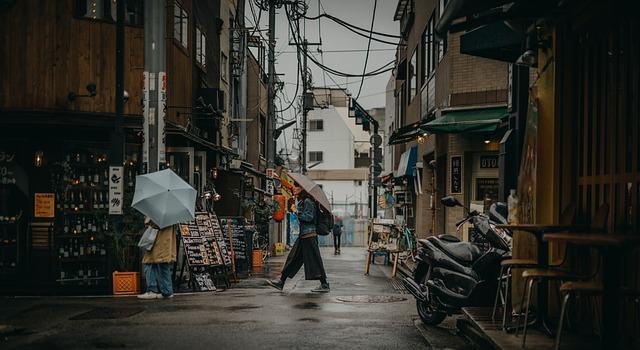
Spend your third day discovering quieter neighborhood charms. Explore the vintage thrift stores of Shimokitazawa or stroll through the leafy Yanaka district to glimpse preserved post-war architecture. Wrap up your Tokyo stay by enjoying a bowl of rich ramen in Shinjuku before experiencing the lively atmosphere of the Omoide Yokocho alleyways.
- Pick up a digital IC card like Suica or Pasmo on your phone for seamless subway travel.
- Book observation decks and popular immersive art exhibits several weeks in advance.
- Take advantage of department store basements, known as depachika, for high-quality grab-and-go meals.
Day 4: Mount Fuji Views and the Shinkansen Journey to Kyoto
Board the Tokaido Shinkansen bullet train in the morning for a smooth two-hour ride to Kyoto. If the weather is clear, request a window seat on the right-hand side of the train to catch a glimpse of Mount Fuji as you speed past Shizuoka. Bullet trains are remarkably punctual and quiet, making the transit between regions restful and scenic.
Upon arriving in Kyoto, head straight to your hotel to drop your bags before embarking on an afternoon walk through the historic Gion district. The preserved wooden machiya townhouses provide a complete change of pace from Tokyo's high-rise neon. In the evening, walk along the lantern-lit Pontocho Alley beside the Kamogawa River to sample Kyoto-style dining.
- Reserve oversized baggage space ahead of time if your luggage dimensions exceed standard limits.
- Purchase an ekiben bento box at Tokyo Station to enjoy during your train journey.
- Respect local photography guidelines and private residential lanes while walking around Gion.
Days 5 and 6: Spiritual Temples, Zen Gardens, and Bamboo Groves in Kyoto
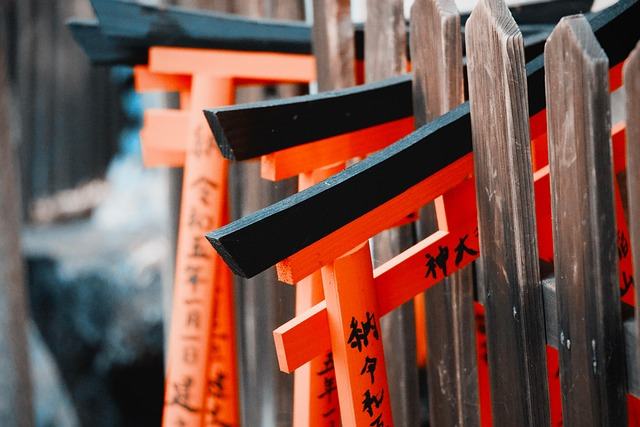
Kyoto was the imperial capital for over a millennium, and its cultural treasures demand an early start to beat the crowds. Head to Fushimi Inari Taisha at dawn to hike through thousands of vibrant vermilion torii gates winding up the sacred mountain. Afterwards, travel across the city to Higashiyama to marvel at Kiyomizu-dera, which offers panoramic valley views from its massive wooden stage.
On day six, venture west toward Arashiyama to walk through the towering bamboo grove and cross the historic Togetsukyo Bridge. Stop by Tenryu-ji to admire its fourteenth-century landscape garden before returning central to visit Kinkaku-ji, the famous Golden Pavilion. End your day browsing the fresh pickles, grilled skewers, and local sweets inside the covered Nishiki Market.
- Wear comfortable shoes that slip on and off easily, as many historic temple halls require removing footwear.
- Use local trains and subways rather than city buses during peak seasons to bypass street traffic.
- Carry a coin pouch, as coin-operated donation boxes and temple fortune stalls rarely accept cards.
Day 7: A Historic Morning in Nara and Arrival in Vibrant Osaka
Before settling into Osaka, take a quick detour to Nara, located just forty-five minutes south of Kyoto by train. Nara Park is famous for its hundreds of free-roaming, bowing sika deer, which are considered national natural treasures. Within the park stands Todai-ji, a colossal wooden temple housing a sixteen-meter-tall bronze Great Buddha statue that leaves visitors speechless.
By mid-afternoon, hop on the local train heading directly into Osaka, Japan's undisputed street food capital. Check into your accommodation and head straight toward Dotonbori as the sun sets. The neighborhood bursts into life with neon signs, oversized mechanical signs, and the irresistible aromas of sizzling griddles along the canal.
- Purchase specialized shika-senbei crackers to feed the deer, avoiding human food entirely.
- Store your main luggage in station coin lockers in Nara to explore hands-free.
- Take a mandatory photo beneath the iconic running Glico Man billboard along the Dotonbori canal.
Day 8: Culinary Delights and Castle Grounds in Osaka
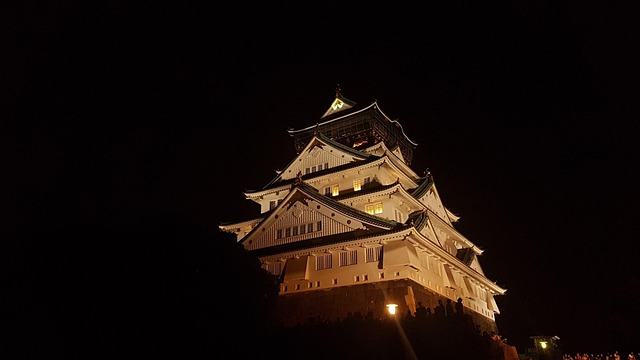
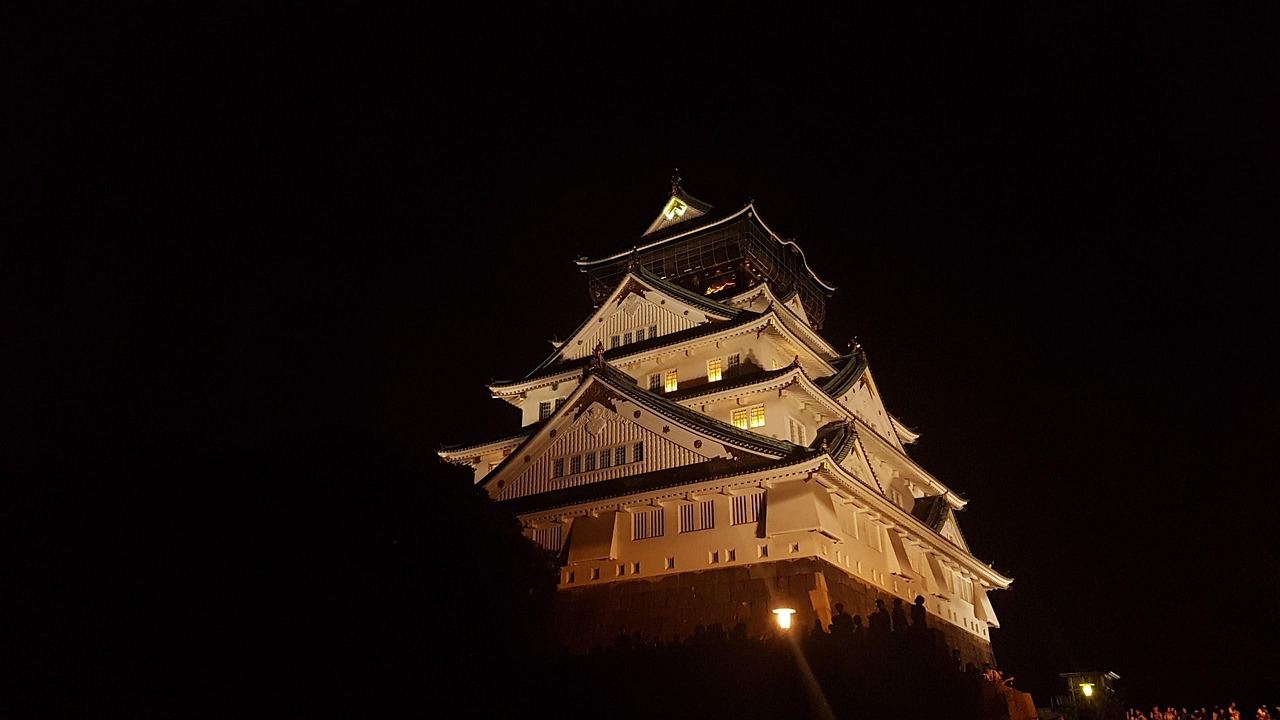
Spend the morning exploring the imposing Osaka Castle and its sprawling park surrounded by impressive stone moats. The modern museum inside offers great insight into samurai history and the unification of Japan. Afterward, head to the retro Shinsekai district, designed in the early twentieth century, to experience an authentic working-class neighborhood beneath the Tsutenkaku Tower.
Osaka is defined by its food philosophy of kuidaore, which loosely translates to eating yourself into ruin. Spend the evening hopping between casual izakayas and curbside counters. Try freshly griddled takoyaki octopus balls, crisp okonomiyaki cabbage pancakes, and golden skewers of kushikatsu fried meats and vegetables.
- Try dipping kushikatsu skewers in tangy sauce only once to adhere to longstanding local etiquette.
- Visit the Umeda Sky Building floating observatory for evening views over the sprawling Kansai plains.
- Pick up unique kitchenware and cooking supplies along the Doguyasuji arcade.
Days 9 and 10: Souvenir Shopping, Final Feasts, and Departure
Depending on your departure flight, you can either fly home directly from Kansai International Airport or catch the bullet train back to Tokyo. Use your final day to pick up souvenirs like local matcha, ceramics, and stationery. Tokyo Station's Character Street or Osaka's Namba district are excellent one-stop destinations for gifts before your journey home.
Take time on your last evening to reflect on the contrast between neon skyscrapers, quiet temple moss gardens, and lively market stalls. Arrive at the airport with ample time, as security and tax-free processing can take longer during high travel seasons. You will inevitably leave already thinking about which Japanese regions to visit on your next trip.
- Keep your passport handy when shopping to take advantage of sales tax exemptions in participating stores.
- Allow at least three hours for airport security and terminal transfers at major international hubs.
- Remember that transport schedules and ticketing rules can change, so always verify routes the night before.
FAQ
Should I purchase a Japan Rail (JR) Pass for this 10-day route?
For a simple Tokyo-Kyoto-Osaka route, nationwide JR Passes are generally no longer cost-effective following recent price increases. Buying individual point-to-point Shinkansen tickets alongside a local reloadable transit card will usually save you money. Always use an online rail fare calculator to verify current ticket prices before purchasing passes.
How much cash do I need to carry while traveling in Japan?
While cashless payments have expanded significantly across major chains and train stations, cash remains essential for many local ramen shops, temple entrance fees, and neighborhood markets. It is smart to keep twenty to thirty thousand yen on hand for small purchases. You can easily withdraw cash using foreign debit cards at international 7-Eleven and Lawson convenience store ATMs.
What is the best time of year to follow this itinerary?
Spring from late March to April brings cherry blossoms, while autumn from late October to November offers comfortable weather and brilliant foliage. Both seasons are stunning but experience high hotel rates and larger crowds. May and October provide pleasant temperatures and manageable visitor numbers if you prefer a slightly quieter trip.
Do I need to speak Japanese to navigate these cities comfortably?
You do not need to speak Japanese, as train stations, major sights, and restaurants in Tokyo, Kyoto, and Osaka have thorough English signage. Using translation apps on your phone helps bridge any communication gaps with friendly locals. Learning basic etiquette phrases like arigato gozaimasu and sumimasen goes a long way in showing appreciation.
Plan it with TripPilot
Tell our AI where you want to go and get flights, hotels and a day-by-day plan.
Start planningWritten with AI help and checked for usefulness. Prices, opening times and travel rules change, so check before you go. Photos: clsrnand on Pixabay.