The best time to visit Greece, for most first trips, is May, June or September, with early October a good bet for Athens and the mainland. You get warm days for ruins and beaches, a sea that's swimmable from June, and fewer people than in July and August. Midsummer brings the most heat and the biggest crowds, while winter is quiet, cheaper and best for city breaks. Below you'll find what each season looks like, which dates move crowds and prices, and how to match the timing to your route. When you have your dates, Ask TripPilot's planner can build the day-by-day plan.
The Quick Answer: Aim for Late Spring and Early Fall
If you only remember one thing, make it this: book for May, June or September. These months give you the best mix of warm weather, long days, open island services and manageable crowds in Athens, Santorini and Mykonos.
Early October is a strong runner-up, especially for Athens and the mainland, as long as you accept shorter days and a thinner ferry schedule. July and August are peak season: the beaches and nightlife are in full swing, but so are the heat and the lines at the big sites.
Winter is a different trip. It suits museums, city walks and low prices more than island hopping, and it comes with a handful of free-admission Sundays at state-run sites.
- Best overall: May, June and September.
- Best for swimming: June to September.
- Best for fewer crowds and lower prices: November to March, outside the holidays.
- Hottest and busiest stretch: late July and early August.
Spring in Greece (March to May): Wildflowers, Easter and Warming Days
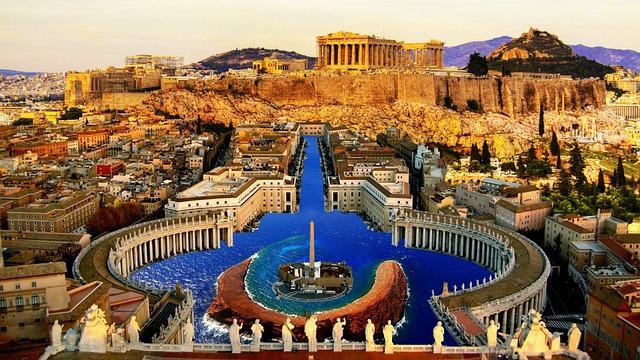
Spring is when Greece warms up fast. Visit Greece's official climate guide puts average daily highs at about 61°F (16°C) in March, rising to around 75-77°F (24-25°C) in May in Athens, Crete and Santorini. That's comfortable weather for long days at the Acropolis and walks along the Santorini caldera.
The same guide notes that spring brings fewer crowds and lower prices, but some island services may be limited before the main season starts. In practice, March and April are better for Athens and the mainland, while May is when the islands come fully to life.
The sea is still cool in spring, so plan beach days for late May at the earliest. Greek Easter also usually falls in this season, and it changes the mood, the crowds and the opening hours for a few days (more on that below).
- Pack layers: mornings, evenings and ferry decks stay cool.
- March and April suit city sightseeing more than beach time.
- May is the best spring month for combining Athens and the islands.
Summer in Greece (June to August): Beaches, Heat and Meltemi Winds
Summer is peak season. June is the sweet spot, with warm seas and long evenings before the school-holiday rush. The Hellenic National Meteorological Service's climate overview says the hottest period is the last ten days of July and the first ten days of August, when average daily highs run from about 84°F to 95°F (29-35°C) across the country.
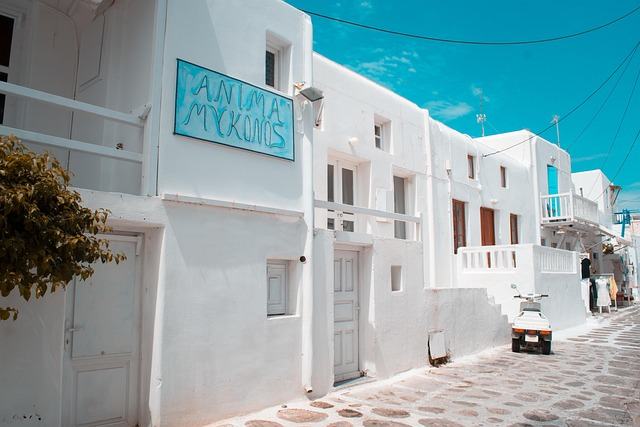
The good news is that the heat is softened on the coasts by sea breezes and, in the Aegean, by the north winds Greeks call the etesians, or meltemi. That wind is welcome on a hot beach afternoon in Mykonos, but it can also make crossings rough, so strong winds sometimes delay or cancel ferries between the islands.
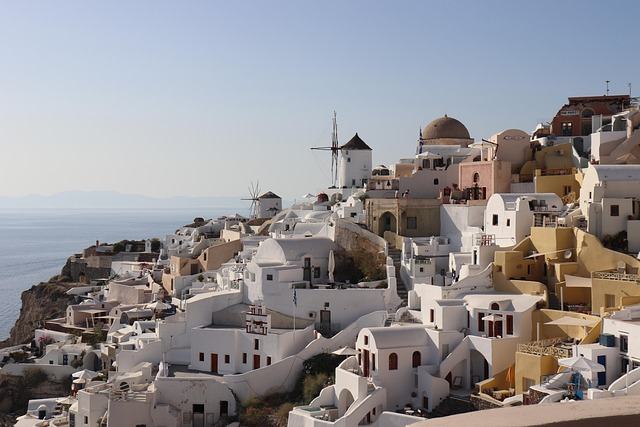
For sightseeing in July and August, start early. Be at the big archaeological sites when they open, spend the midday hours in a museum, a taverna or the sea, and save walks like Plaka or Oia for the evening. Book island hotels and ferries well ahead for these months.
- Carry water, a hat and sunscreen to every outdoor site.
- Leave a buffer day before an international flight in case a ferry is canceled.
- Choose air-conditioned rooms, especially in Athens.
Fall in Greece (September to November): Warm Seas and Thinner Crowds
September may be the best single month in Greece. The sea is still warm from the summer, the islands are still open, and the August crowds have gone home. Days are past the late-July peak of the heat, which makes the Fira to Oia hike or a full day at the Acropolis far more pleasant than in midsummer.
October is milder and quieter. It's excellent for Athens, mainland day trips and ruins, but island ferries and boat trips run less often, and some sites switch to shorter winter hours. According to the Hellenic National Meteorological Service, the cold, rainy half of the year starts in mid-October and lasts until the end of March, though winters are milder in the Aegean and Ionian islands than in the north.
By November, Greece is in low season. It's a good month for a city break in Athens with low hotel rates, but not for island hopping.
- September: warm sea, open islands, fewer people than August.
- Early October: great for Athens and the mainland, quieter islands.
- November: low season, more rain and the best city-break prices.
Winter in Greece (December to February): Quiet Sites and City Breaks
Winter in Greece is milder than many visitors expect. Visit Greece's climate guide describes mild winters in the lowlands, while the mountains are usually covered in snow. Athens is cool and sometimes rainy, but you'll have the Acropolis, the museums and the restaurants nearly to yourself.
Islands like Santorini and Mykonos are built around the summer season, so expect far fewer ferries, flights and open hotels from late fall to early spring. Our 7-day Greece itinerary is designed for April to October for this reason.
The upside is cost and space. Winter is the cheapest time for hotels in Athens, and state-run sites add free-admission Sundays from November through March.
- Best winter base: Athens, with day trips on the mainland.
- Pack a warm jacket and rain gear.
- Check island ferry and hotel availability before you commit to an island stop.
Greek Easter and Public Holidays That Change Your Trip
Easter is the biggest holiday of the Greek year. As Visit Greece explains in its Easter guide, the Greek Orthodox Church follows the Julian calendar, so Greek Easter moves each year and often falls later than Western Easter. Holy Week brings candlelit processions on Good Friday, the midnight Resurrection service on Holy Saturday with bells and fireworks, and spit-roasted lamb on Easter Sunday.
It's a moving time to visit, but plan around it. The City of Athens' holidays and opening hours page lists Orthodox Good Friday, Easter Sunday and Easter Monday as public holidays with dates that change each year, and notes that shops open only from 1 p.m. to 7 p.m. on Good Friday. Greeks also travel home for Easter, so ferries and hotels fill up that week.
Other public holidays on the same list include March 25, May 1, August 15 (the Assumption of the Virgin Mary) and October 28. Around August 15, many Greeks are on vacation themselves, which adds to the summer crowds on the islands.
- Check the Orthodox Easter date for your year before you book a spring trip.
- Expect shop and site closures on public holidays.
- Book Easter week and mid-August ferries and hotels early.
Free-Admission Days at Archaeological Sites
Greece's Ministry of Culture sets a list of free-admission days at the state-owned archaeological sites, monuments and museums it runs. Entry is free on March 6 (in memory of Melina Mercouri), April 18 (International Monuments Day), May 18 (International Museum Day), the last weekend of September (European Heritage Days) and October 28.
The same rules add free entry on the first and third Sunday of every month from November 1 to March 31. That makes winter weekends a good time to see major sites for free, though some individual museums set their own free days, so check the site you plan to visit.
Free days draw bigger crowds, especially at the Acropolis. Arrive at opening time or plan a paid weekday visit if you'd rather avoid the lines.
- March 6, April 18, May 18 and October 28: free at state-run sites.
- Last weekend of September: European Heritage Days.
- November 1 to March 31: first and third Sundays free.
The Best Time to Visit by Goal
Greece rewards different months for different trips. Use these picks to narrow your dates, then check the details for each place in our Athens, Santorini and Mykonos guides.
If you're choosing between islands, our guide to the best Greek islands for every kind of traveler helps match an island to your style, and the timing advice here applies to most of the Cyclades.
- Best weather for sightseeing: May and late September.
- Best for beaches and swimming: late June to mid-September.
- Best for nightlife on Mykonos: July and August.
- Best for fewer crowds: April, October and winter.
- Best for budget: November to March in Athens.
- Best for culture: Easter week, if you book early.
How to Plan Your Trip Around the Seasons
Once you've chosen your month, pick a route that fits it. For a first trip from May to September, our 7-day Greece itinerary spends two days in Athens, three on Santorini and two on Mykonos, linked by ferry. In shoulder season, keep the same order but recheck ferry times, since schedules change with the season and the weather.
For a broader look at regions, islands and practical tips, start with our Greece country guide. Then match the details to the season: early starts and water in summer, layers in spring, rain gear and free Sundays in winter, and early bookings around Easter and mid-August.
FAQ
What is the best month to visit Greece?
May, June and September are the best months to visit Greece. May averages highs of about 75-77°F (24-25°C) in Athens and Santorini, the islands are open in all three months, and crowds are lighter than in July and August. The sea is warm enough to swim from June. Early October is a good choice for Athens and the mainland, with fewer ferries to the islands.
What is the cheapest time to go to Greece?
The cheapest time to go to Greece is from November to March, outside Christmas and Easter. Hotel rates in Athens drop and sites are quiet, and state-run archaeological sites are free on the first and third Sundays of the month during this period. The trade-off is cooler, wetter weather and far fewer ferries, flights and open hotels on islands like Santorini and Mykonos.
Is August a good time to visit Greece?
August is a tough month for sightseeing in Greece. Greece's weather service says the hottest stretch runs from late July to early August, with average highs of about 84-95°F (29-35°C). August 15 is a public holiday when many Greeks travel, so islands and ferries are packed. It works for beaches and nightlife if you book early and plan sights for the morning.
When is Greek Easter?
Greek Easter moves every year because the Greek Orthodox Church follows the Julian calendar, so it often falls later than Western Easter. Good Friday, Easter Sunday and Easter Monday are public holidays, shops open only in the afternoon on Good Friday, and ferries and hotels fill up as Greeks travel home. Check the date for your year before you book a spring trip.
Are archaeological sites in Greece ever free?
Yes. State-run archaeological sites, monuments and museums in Greece are free on March 6, April 18, May 18, the last weekend of September and October 28. From November 1 to March 31, they're also free on the first and third Sunday of each month. Some museums set their own free days, and crowds are bigger on free days, so arrive early.
Plan it with TripPilot
Tell our AI where you want to go and get flights, hotels and a day-by-day plan.
Start planningSources
Written with AI help and checked for usefulness. Prices, opening times and travel rules change, so check before you go. Photos: Pat_Photographies on Pixabay.