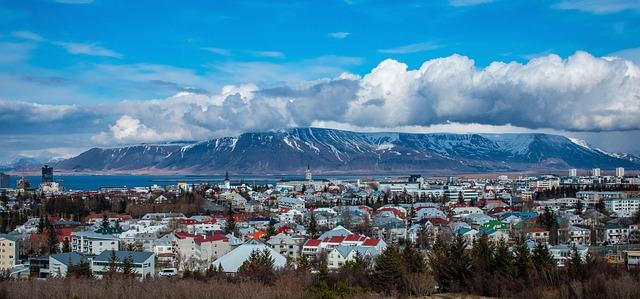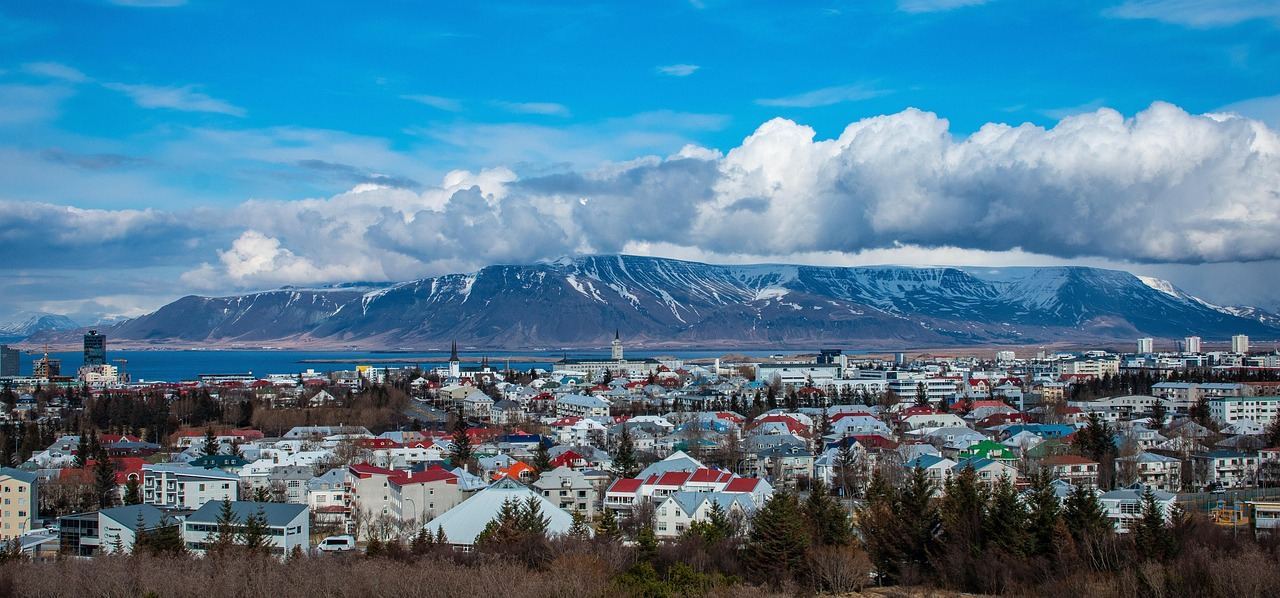
The best time to visit Iceland for most first trips is June to August, when days are longest, temperatures are mildest and every main road is easiest to drive. If the northern lights are your goal, come between September and April instead, when the nights are dark enough. Each season trades something: summer brings daylight and crowds, winter brings darkness, ice and the aurora. This guide walks through both, plus the shoulder months, road safety and a month-by-month summary. When you've picked your dates, Ask TripPilot's planner can turn them into a day-by-day route.
Quick Answer: The Best Season for Your Goal
There is no single perfect month in Iceland, because the two things most travelers want, long days and the northern lights, happen at opposite ends of the year. Start with what matters most to you, then pick the season that fits.
Keep in mind that the weather changes fast in every season. Even in midsummer, you'll want a waterproof shell, warm layers and a plan B for rainy days.
- Easiest road trip and longest days: June to August.
- Northern lights: September to April, with dark, clear nights.
- Fewer people and a mix of both worlds: May, September and early October.
- Highland hiking and F-roads: midsummer only, once the mountain roads open.
- Lowest stress for a short city break with day trips: any month, if you base yourself in Reykjavik and keep a free day for bad weather.
Summer (June to August): Midnight Sun and Easy Driving
Summer is the easiest time to see a lot of Iceland in one trip. According to Visit Iceland's summer guide, from late May through July the sun barely dips below the horizon, so you get a kind of twilight even at midnight. That means you can drive, hike and sightsee late into the evening without worrying about darkness.
Don't expect beach weather. The same guide puts typical summer temperatures between 50°F and 59°F (10-15°C): mild, but rarely hot. It also notes that the South Coast tends to be wetter and windier in summer, while the north and the East Fjords are often calmer, sunnier and slightly warmer. If your first days on the South Coast are gray, the weather can look very different on the other side of the country.
The trade-off is that the sky stays too bright for the northern lights, and this is the busiest time of year. Popular stops on the Golden Circle and the South Coast fill with tour buses by late morning, so start early, book your rental car and rooms well ahead, and save the most famous waterfalls for the first hours of the day or the long evenings.
- Bring a sleep mask: blackout curtains aren't a given, and bright nights can make it hard to sleep.
- Plan long evening walks, when light is soft and parking lots empty out.
- Pack a rain jacket and a warm layer even for a July trip.
Northern Lights Season and How to See Them
The aurora needs darkness, so it's a fall-to-spring activity. Visit Iceland's weather and climate page says the northern lights are visible from September to April, when the long nights make it possible. September and early October can be a good balance, because the roads are usually easier than in midwinter and you still get dark nights.
Darkness alone isn't enough. You also need clear skies and some solar activity, and you can't predict either weeks ahead. The Icelandic Met Office's aurora forecast maps forecast cloud cover across the country and rates expected aurora activity on a 0 to 9 scale. Check it each afternoon, then drive toward the clearest patch of sky rather than sticking to a fixed spot.
The more nights you have, the better your odds. A trip of a week or more gives you several chances, and staying outside Reykjavik for a few of them gets you away from city light. On cloudy nights, put the aurora hunt aside and enjoy the city: a late soak at Sundhöllin Public Baths is a good use of a dark evening.
- Find a safe place to park well off the road; never stop on the shoulder to look at the sky.
- Dress for standing still in the cold: insulated boots, a hat and gloves.
- Keep expectations realistic: faint auroras often look gray to the eye and greener in photos.
Shoulder Seasons: May, September and October
The months on either side of summer are a smart choice if you want fewer people without full winter conditions. May has long days and the countryside turning green, but it can still feel wintry, especially in the north and at higher elevations. The highland roads are not open yet, so plan to stay on the Ring Road and paved main roads.
September and October are when summer crowds thin out and the aurora season begins. Daylight shrinks quickly, though. By the end of October, Visit Iceland notes that Reykjavik gets roughly eight hours of daylight, with sunrise after 9 a.m. and sunset shortly after 5 p.m. That's still plenty for a road trip, but you'll want to plan drives so that you reach your hotel before dark.
Weather in the shoulder months is the least predictable of the year. A calm, sunny day can be followed by a stormy one, so build a spare day into your plan and check the forecast every evening.
- May: long days, quieter roads, no highland access.
- September: dark nights return, fall colors in the lowlands, mountain roads begin closing.
- October: shorter days, real chance of snow, good aurora potential.
Winter Driving and Road Safety
Winter (roughly November to March) is the most dramatic time to visit, but it's also the hardest for drivers. Days are short, roads can be icy or snow-covered, and storms can close stretches of the Ring Road for hours or longer. If you've never driven on snow and ice, consider basing yourself in the capital and joining guided day tours instead of renting a car.
Iceland's climate is milder than its latitude suggests, thanks to a branch of the Gulf Stream that warms the south and west coasts. Visit Iceland gives an average January temperature in Reykjavik of about 33°F (0.4°C). The north is colder, and mild Atlantic air meeting Arctic air brings frequent changes and storms.
If you do drive, the most important habit is checking conditions before every trip. The Icelandic Road and Coastal Administration posts road conditions and closures on road.is. Look at the forecast the night before, check the road map in the morning, and never drive past a closed road or barrier.
On bad-weather days, Reykjavik has plenty to fill the time. Climb Hallgrímskirkja for the view over the city, or spend an afternoon at Perlan, whose exhibits include an indoor ice cave.
- Drive in daylight and leave early, so you're not on unfamiliar roads after dark.
- Slow down well below the limit when roads are icy or windy.
- Keep the tank topped up; towns can be far apart outside the capital area.
- Build at least one free day into your schedule for storms.
F-Roads and the Highlands: A Short Summer Window
The highlands, the uninhabited interior of Iceland, are reached on mountain roads marked with an F. These are gravel tracks, often with unbridged rivers, and they're open only for a short part of the year. Visit Iceland notes that highland areas above roughly 650 to 1,300 feet (200-400 meters) are usually snow-covered from September to May and that the highland roads are closed in winter.
Safetravel's highland driving page, run by the Icelandic search and rescue association, says the F-roads are usually closed from mid-September until June or July. Exact dates change every year with snow and thaw, so check whether the roads you need are open before you set out.
If the highlands are a big part of your plans, aim for July or August. You'll need a four-wheel-drive vehicle, and some routes call for a larger or modified one. Safetravel also warns that no insurance covers damage to a vehicle while crossing a river, so if you're unsure about a crossing, don't attempt it.
- F-roads require four-wheel drive; check your rental agreement before booking.
- Outside the summer window, the interior is only reachable on guided tours in modified super jeeps.
Crowds, Prices and When to Book
Iceland is expensive in every season, but timing still changes how much you pay and how crowded it feels. Summer is the peak: rental cars, guesthouses on the South Coast and popular tours sell out first, so book as soon as your dates are set. Small towns along Route 1 have a limited number of rooms, which matters more than overall price.
Midwinter outside the holiday weeks is usually quieter, but you trade crowds for short days and harder driving.
Late spring and early fall are the best compromise for many travelers. Prices and crowds are usually lower than in July, and you still get workable daylight for a road trip. Check prices for your exact dates before you commit, since they shift with holidays and events.
- Book rental cars early for summer and for any automatic transmission.
- Start popular sightseeing days early to stay ahead of tour buses.
- Food halls, picnic lunches and supermarket breakfasts cut daily costs in any season.
Iceland Month by Month at a Glance
Use this summary to narrow down your dates. Conditions vary a lot from year to year, so treat it as a guide, not a guarantee.
- January: dark, cold and quiet; aurora season, with Reykjavik averaging about 33°F (0.4°C). Drive only if you're confident on ice.
- February: still deep winter, with days getting a little longer; good aurora potential and few crowds.
- March: longer days and still-dark nights make it a strong month for the northern lights; storms remain common.
- April: the last month of the aurora season; spring weather swings between snow and thaw.
- May: long days and quiet roads; the highlands remain closed and it can still feel wintry.
- June: the midnight sun period with bright nights; crowds build as summer starts.
- July: the warmest and busiest month, typically 50°F to 59°F (10-15°C) in summer; F-roads usually open in this window.
- August: still summer and still busy; nights slowly get darker, and it's a good month for the highlands.
- September: the aurora season returns, crowds drop and F-roads usually close around mid-month.
- October: about eight hours of daylight in Reykjavik by month's end; good aurora odds and quieter roads.
- November: short days, early snow and fewer visitors; city-based trips work well.
- December: the darkest month and a festive time in Reykjavik; plan for very short daylight and winter roads.
How to Plan Your Dates and Route
Once you've picked a season, choose a route that matches the daylight. In summer, you can cover more ground: our 7-day Iceland itinerary drives the Golden Circle, the South Coast, Jökulsárlón and Snæfellsnes on paved main roads, with no F-roads. In winter, cut the distances, slow the pace and leave room for a weather day.
If you only have a few days, base yourself in the capital with our Reykjavik guide and add the Golden Circle as a day trip. For a wider look at regions, money and getting around, see the Iceland travel guide.
Make this Iceland plan yours: tell Ask TripPilot your dates, budget and who's coming, and get a day-by-day itinerary in seconds. Then check road conditions and the forecast again the day before each drive.
FAQ
What is the best time to visit Iceland?
For most first-time visitors, June to August is the best time to visit Iceland. Days are longest, temperatures typically sit between 50°F and 59°F (10-15°C), and roads are easiest to drive. If you want the northern lights, go between September and April instead. May and September are good compromises with fewer crowds and still-workable daylight.
When can you see the northern lights in Iceland?
You can see the northern lights in Iceland from September to April, when nights are long and dark enough. You also need clear skies and some solar activity, so no date is guaranteed. Check the Icelandic Met Office aurora forecast each afternoon for cloud cover and expected activity, and plan several nights away from city lights to improve your odds.
What is the best time to visit Iceland to avoid crowds?
The quietest times are usually the shoulder months and midwinter outside of holiday weeks. May, September and early October offer fewer people while still giving you reasonable daylight for a road trip. January and February are quieter still, but days are short and roads can be icy, so they suit travelers who are comfortable with winter driving or prefer guided tours.
Is December a good time to visit Iceland?
December is a good time to visit if you want a festive city break and a chance at the northern lights, but not for a long road trip. Daylight is very short and roads can be icy or closed by storms. Base yourself in Reykjavik, join guided day tours, check road conditions daily and keep at least one free day for bad weather.
When are Iceland's F-roads open?
Iceland's F-roads are usually open only in midsummer. Safetravel says they are typically closed from mid-September until June or July, and the exact opening dates change each year with snow and thaw. Check road conditions before you set out, rent a four-wheel-drive vehicle, and remember that rental insurance does not cover damage from river crossings.
Plan it with TripPilot
Tell our AI where you want to go and get flights, hotels and a day-by-day plan.
Start planningSources
Written with AI help and checked for usefulness. Prices, opening times and travel rules change, so check before you go. Photos: MarcelDominic on Pixabay.