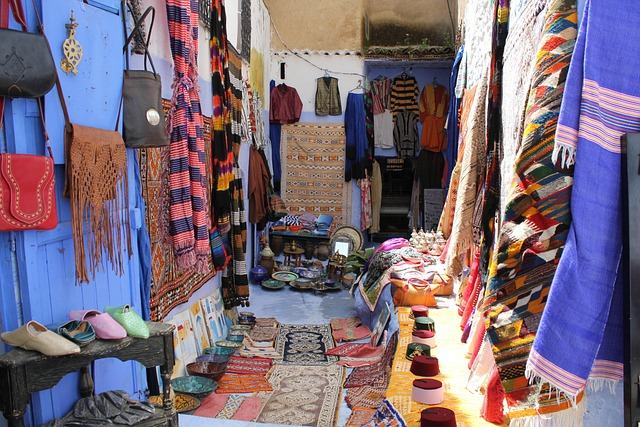
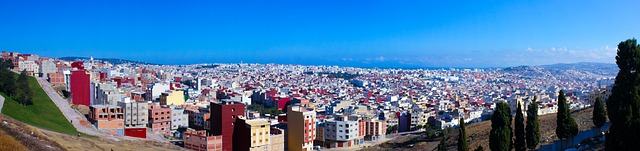
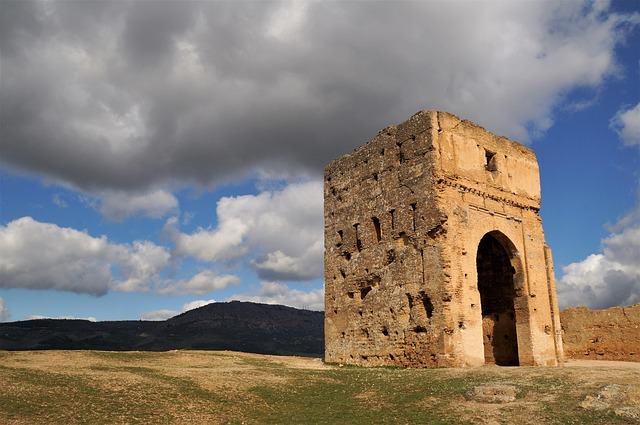
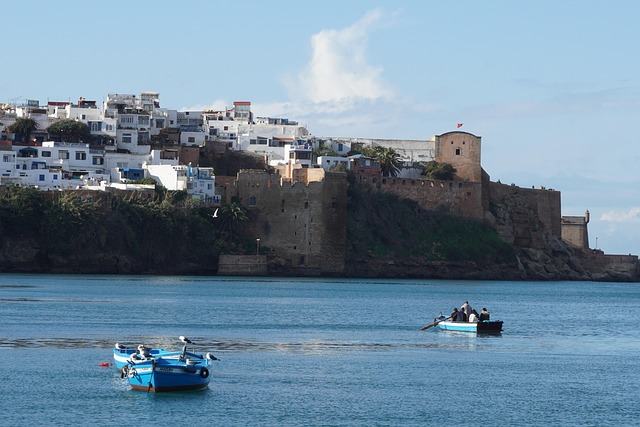
Tucked into Morocco's dramatic Rif Mountains, Chefchaouen is world-renowned for its striking, powder-blue medina streets. Whether you are wandering tranquil alleyways, browsing artisan stalls, or hiking to scenic ridges, this mountain town offers a peaceful retreat. Here is everything you need to plan a thoughtful and memorable trip in 2026.
The Origins of the Blue Medina
Chefchaouen was founded in 1471 as a small fortress to defend against northern invaders. Its distinctive blue color scheme has several historical explanations, ranging from Jewish refugees painting houses to mirror the heavens to practical ideas like deterring mosquitoes and keeping interiors cool in summer heat.
Today, residents keep the tradition alive by regularly applying fresh coats of chalky blue paint to their homes. As you walk the streets, you will notice shades ranging from subtle periwinkle to brilliant cobalt, giving the town its surreal and calming atmosphere.
- Founded as a kasbah fortress by Moulay Ali Ben Moussa Ben Rached El Alami.
- Influenced strongly by Andalusian and Moorish architecture after refugees settled here.
- The shades of blue vary across neighborhoods, with older quarters showing unique layered washes.
Getting There and Transit Connections
Chefchaouen does not have an airport or a train station, so visitors arrive by road. Most travelers make the journey from northern transport hubs like Tangier or from central cities like Fez.
Comfortable coach buses operated by national services like CTM run daily routes into the town terminal. You can also hire licensed grand taxis or arrange private transfers, which save time if you are traveling with companions or carrying bulky luggage.
- Tangier is roughly a two to three-hour drive away, making it the most convenient entry point.
- Fez is about four hours south by bus, winding through scenic agricultural valleys.
- Always book bus tickets a day or two in advance during peak spring and autumn travel windows.
Top Things to See and Do
The historic medina is the heart of Chefchaouen, and simply exploring on foot without a rigid schedule is the best activity. The central square, Place Outa el Hammam, is lined with leafy cafes and anchored by the 15th-century Kasbah, which houses an ethnographic museum and peaceful courtyard gardens.
Just east of the medina walls lies Ras El-Maa, a fresh mountain spring where locals gather to wash carpets and cool off in warm weather. From there, a brief uphill walking path leads toward the Spanish Mosque, perched on an open hill with panoramic views of the entire valley.
- Climb the Portuguese tower inside the Kasbah for sweeping views over the main plaza.
- Visit Ras El-Maa in the morning to hear the rushing mountain streams.
- Hike to the Spanish Mosque roughly forty-five minutes before sunset for the best light.
Responsible Photography and Local Etiquette
Chefchaouen is exceptionally photogenic, but it is also a living residential community. Many alleyways lead directly to family doorsteps, and constant foot traffic can intrude on daily life if travelers are not attentive.
Always ask for permission before photographing local residents, weavers, or merchants. If someone gestures no or looks uncomfortable, respect their wishes immediately. Sticking to wide architectural shots and moving quietly through residential streets ensures tourism remains positive for everyone.
- Never block front doorways or residential passages while taking photos.
- Some elaborately decorated private doorsteps request a small optional tip for photos, which helps support maintenance.
- Dress respectfully with shoulders and knees covered when wandering outside private accommodations.
Local Food and Mountain Flavors
The culinary scene in the Rif Mountains features distinct touches you might not encounter in coastal or southern Morocco. Goat cheese seasoned with wild herbs is a proud regional specialty, frequently served fresh alongside crusty bread and olives for breakfast.
For dinner, look for slow-simmered tagines prepared with local mountain prunes, figs, and almonds. Relaxing at an outdoor cafe on Place Outa el Hammam with a glass of fresh mint tea infused with wild mountain herbs like absinthe or pennyroyal is an essential afternoon ritual.
- Try bissara, a hearty, comforting fava bean soup drizzled with olive oil and cumin.
- Sample fresh jben, the soft traditional goat cheese sold wrapped in palm leaves.
- Sip sheeba, a warming herbal infusion popular throughout the cooler mountain evenings.
Day Trips in the Rif Mountains
If you enjoy spending time outdoors, Chefchaouen serves as a great base for exploring northern Morocco's rugged nature. Talassemtane National Park surrounds the area, offering hiking paths shaded by rare fir and cedar forests.
The most popular day excursion leads to the Akchour Waterfalls and the Bridge of God, a natural rock arch spanning a river gorge. Reaching Akchour takes approximately forty-five minutes by grand taxi from town, followed by a rewarding hike along crystal-clear mountain streams.
- Wear sturdy trail shoes with strong grip, as rocks along the river paths can be slick.
- Hire an experienced local guide if you plan to venture onto longer, unmarked mountain trails.
- Carry cash in Moroccan dirhams to pay taxi drivers and riverside tea stalls.
Practical Travel Tips for 2026
The best times to visit Chefchaouen are spring and autumn, when daytime temperatures are mild and sunny. Summer can bring intense midday heat, while winter nights in the mountains are often surprisingly cold and damp.
Because the town is built against steep slopes, you will be climbing hundreds of cobblestone stairs each day. Packing sensible footwear and keeping your luggage manageable will make navigating the hillside medina far more enjoyable.
- Wear shoes with rubber soles, as worn stone steps become slippery even when dry.
- ATMs are available outside the medina gates, but keep cash on hand for small purchases and street stalls.
- Expect to stay two full days to enjoy the medina and take a hike without rushing.
FAQ
How many days should I spend in Chefchaouen?
Two full days are usually ideal for most travelers. This gives you ample time to explore the blue medina, hike to the Spanish Mosque, and take a day excursion to Akchour without feeling rushed.
Is Chefchaouen safe for solo travelers?
Chefchaouen is widely considered one of the safest and most relaxed destinations in Morocco. While aggressive hashish solicitations sometimes occur on the town outskirts, a polite and firm refusal is usually all that is needed.
What is the easiest way to reach Chefchaouen?
Taking a CTM bus or booking a shared grand taxi from Tangier is the easiest transit route. The drive takes around two to three hours through paved mountain roads.
What currency do I need in Chefchaouen?
You will need Moroccan Dirhams for virtually all daily transactions. While higher-end riads accept credit cards, local eateries, market stalls, and mountain guides operate exclusively in cash.
Plan it with TripPilot
Tell our AI where you want to go and get flights, hotels and a day-by-day plan.
Start planningWritten with AI help and checked for usefulness. Prices, opening times and travel rules change, so check before you go.