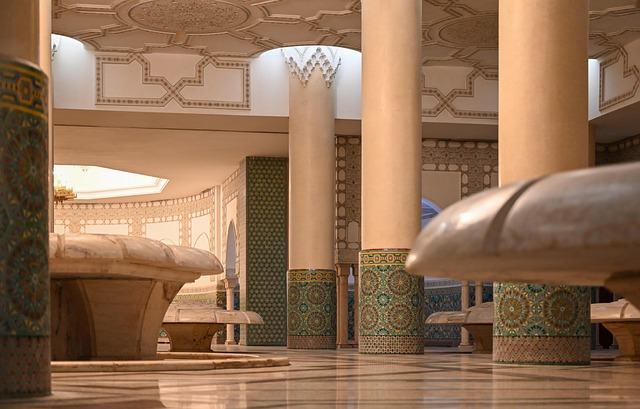
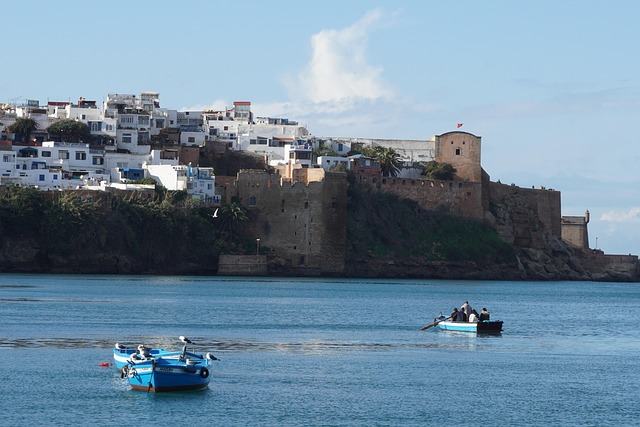
Morocco is an incredible sensory experience filled with maze-like medinas, sweeping desert dunes, and aromatic spice markets. From the vibrant souks of imperial cities to quiet mountain villages, traveling here is both exhilarating and culturally enriching. With a little preparation regarding local customs and realistic costs, you can plan a seamless journey in 2026.
Top Destinations to Include in Your Itinerary
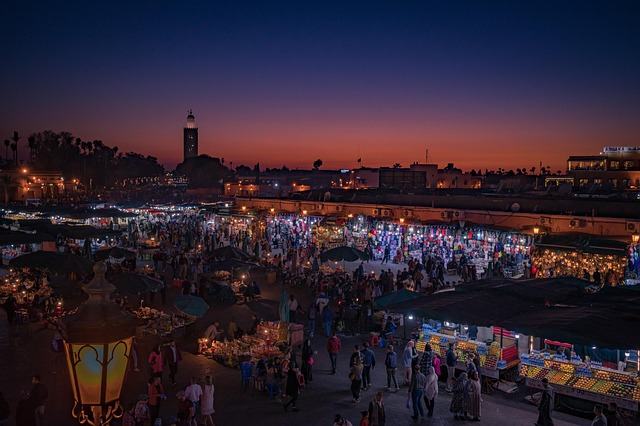
Every region in Morocco offers a distinct atmosphere, so choosing the right mix of cities shapes your entire trip. Marrakech remains the country's energetic heart, known for its bustling square of Jemaa el-Fnaa, historic palaces, and lush gardens. In contrast, Fez offers a step back in time with its medieval medina, car-free stone alleys, and centuries-old artisan leather tanneries.
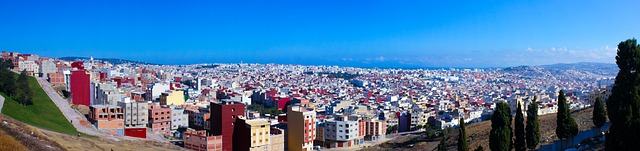
If you prefer a slower pace, head north into the Rif Mountains to visit Chefchaouen, famous for its striking blue-washed streets and mountain views. Coastal cities like Tangier, Casablanca, and Rabat bring modern seaside life alongside historic landmarks, while a multi-day journey into the Sahara dunes at Merzouga provides an unforgettable night beneath the desert stars.
- Marrakech: Best for vibrant souks, luxury riads, and lively evening squares.
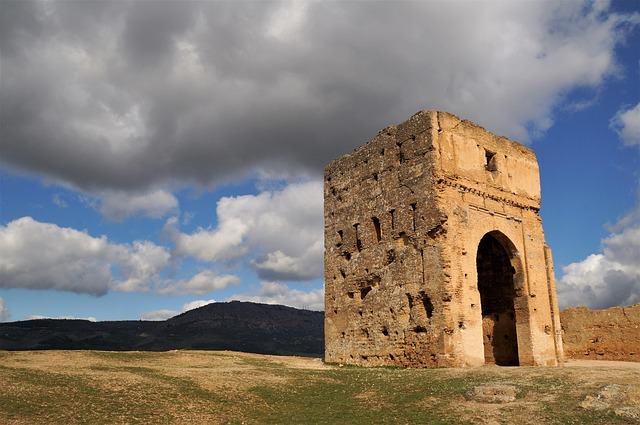
- Fez: Best for deep historical heritage, craftsmanship, and historic medina walks.
- Chefchaouen: Best for photography, laid-back walking tours, and mountain air.
- Rabat and Casablanca: Best for modern rail links, quiet coastal walks, and architectural landmarks.
Understanding Local Customs and Everyday Etiquette
Morocco is a predominantly Muslim country where conservative values shape everyday life. Dressing modestly helps you blend in and shows respect, particularly outside major tourist hotels. It is best to cover your shoulders and knees, and to dress even more conservatively when visiting smaller towns or religious sites.
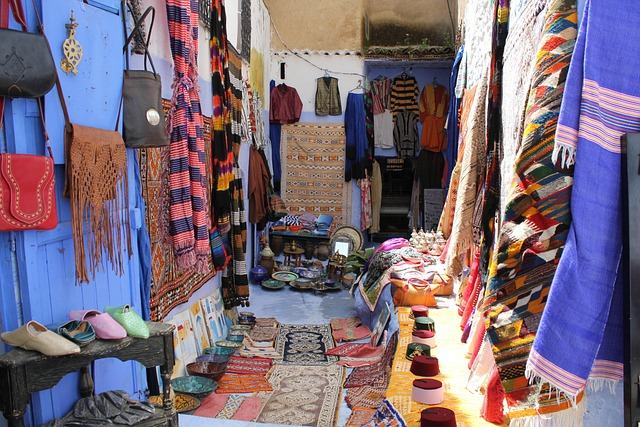
Hospitality is central to Moroccan culture, and you will frequently be offered sweet mint tea by shopkeepers and hosts. Accepting the tea with your right hand is polite, even if you only take a few sips. When purchasing souvenirs in the souks, bargaining is normal and expected, but keeping interactions friendly and lighthearted ensures a positive exchange for both sides.
- Pack loose, breathable clothing that covers shoulders and knees.
- Always use your right hand when greeting people, giving gifts, or eating shared food.
- Ask permission before taking photos of market stalls, street performers, or locals.
- Treat bargaining as a friendly conversation rather than an aggressive contest.
Getting Around: Trains, Taxis, and Desert Transit
Traveling between major cities in Morocco is straightforward thanks to the country's reliable rail network operated by ONCF. The Al Boraq high-speed train connects Tangier to Casablanca via Rabat in just over two hours, offering clean, comfortable, and affordable travel. For journeys between Marrakech and Fez, standard regional trains run frequently throughout the day.
Within cities, you will rely primarily on petit taxis, which are color-coded by city and should use a meter during daytime rides. For travel to smaller towns without train stations, grand taxis operate on shared routes between fixed points. If you plan to visit the Sahara, booking a licensed private driver or small-group tour is generally safer and more practical than renting a car for desert roads.
- Use the high-speed Al Boraq train for fast links between Tangier, Rabat, and Casablanca.
- Insist on the taximeter in petit taxis or agree on a price before getting inside.
- Book desert excursions through established operators with verifiable safety records.
- Consider first-class train tickets for guaranteed seat reservations on popular routes.
Moroccan Food: What to Try and Dining Habits
Moroccan cuisine is rich, slow-cooked, and heavily centered around seasonal produce, fragrant spices, and communal dining. The classic tagine is a staple served everywhere, featuring slow-cooked meat, poultry, or vegetables stewed in an earthenware dish. On Fridays, locals traditionally gather for large platters of fluffy steamed couscous topped with root vegetables and tender broth.
Pastilla, a savory-sweet pastry layered with spiced meat, crushed almonds, and powdered sugar, is a must-try culinary highlight. Street food markets offer freshly baked flatbreads, spiced lentil soups, and freshly squeezed orange juice. Stick to busy food stalls with high customer turnover to ensure freshness, and drink bottled or filtered water throughout your trip.
- Tagine: Slow-cooked savory stews flavored with saffron, ginger, and preserved lemons.
- Harira: A hearty tomato, lentil, and chickpea soup often served at dusk.
- Pastilla: Traditional layered pastry balancing sweet and savory spices.
- Fresh mint tea: Poured from a height to create a light foam on top.
Realistic Budget and Travel Costs for 2026
Morocco caters well to all travel styles, from backpackers staying in hostels to travelers booking luxury restored riads. Budget travelers can comfortably manage daily expenses by eating street food, staying in simple guesthouses, and using public transit. Mid-range travelers typically stay in authentic riads with courtyard pools and dine at comfortable sit-down restaurants.
Cash remains king for most daily transactions across Morocco, especially in souks, taxis, and neighborhood cafes. While upscale hotels and modern restaurants in Casablanca or Marrakech accept credit cards, local ATMs are necessary for smaller purchases. Remember that tourism prices, entrance fees, and transport fares fluctuate over time, so verify current rates closer to your departure date.
- Budget stay: Dorm beds or modest private guesthouse rooms outside city centers.
- Mid-range stay: Characterful traditional riads including homemade breakfast.
- Daily meals: Affordable street food and neighborhood cafes balance out upscale dining.
- Tipping: Keep small coins and banknotes ready for cafe staff, baggage handlers, and local guides.
Health, Safety, and Hassle-Free Navigation
Morocco is generally a welcoming destination, but navigating busy medinas requires patience and street awareness. Persistent touts and unofficial guides often offer unsolicited directions in tourist hotspots. A polite, firm decline and purposeful stride are usually enough to keep moving toward your destination without incident.
Medinas are ancient labyrinths where mobile phone signals can occasionally drop, making offline navigation apps very helpful. For health safety, avoid drinking untreated tap water and carry personal hygiene supplies when visiting public restrooms. Securing comprehensive travel insurance before your trip will provide peace of mind in case of sudden health issues or transport delays.
- Download offline maps of Fez and Marrakech medinas to navigate without internet.
- Politely decline unsolicited offers for directions or spontaneous city tours.
- Drink bottled or treated water and avoid ice cubes in smaller rural establishments.
- Carry modest change for tipping and paying nominal entry fees at public washrooms.
FAQ
Do I need a visa to visit Morocco in 2026?
Citizens of many Western countries, including the US, Canada, the UK, and EU nations, can enter Morocco visa-free for stays of up to 90 days. You will need a passport that remains valid for at least six months beyond your arrival date. Entry regulations can change, so always verify official visa policies with the Moroccan consulate before departing.
When is the best time of year to visit Morocco?
Spring from March to May and autumn from September to November offer the most pleasant weather across the country. Summer temperatures can become uncomfortably hot, especially in inland cities like Marrakech and out in the Sahara desert. Winter brings cool evenings and snow in the High Atlas Mountains, though coastal cities remain relatively mild.
Can I use credit cards everywhere in Morocco?
Credit cards are widely accepted in upscale hotels, supermarkets, and fine-dining restaurants within major cities. However, small shops, souk vendors, petit taxis, and casual eateries operate almost exclusively in cash. It is always wise to carry enough Moroccan Dirhams for daily expenses and tips.
Is Morocco safe for solo travelers?
Morocco is generally safe for solo travelers, though you may encounter persistent street vendors or unwanted attention in crowded areas. Staying vigilant with your belongings, ignoring unsolicited street offers, and respecting conservative local dress norms helps ensure a comfortable journey. Joining guided day trips is also a great way to explore without navigation stress.
Plan it with TripPilot
Tell our AI where you want to go and get flights, hotels and a day-by-day plan.
Start planningWritten with AI help and checked for usefulness. Prices, opening times and travel rules change, so check before you go.